
Malaria
14 Sept 2026 · 16 min read
On this page61 sections
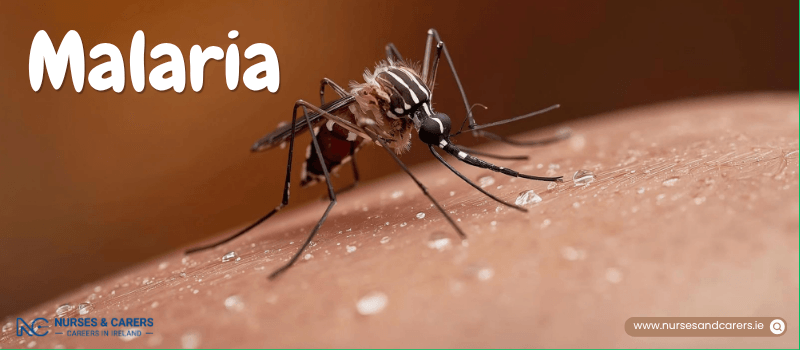
Malaria is a serious and potentially fatal infection transmitted by mosquitoes, primarily found in tropical regions. While not native to Ireland, it is diagnosed in individuals returning from high-risk geographic areas. Prompt diagnosis and treatment are critical to preventing severe outcomes.
Symptoms
Malaria symptoms can be difficult to identify initially and typically manifest between 7 and 18 days after infection. However, in some instances, symptoms may not appear for a year or longer. Common indicators include:
A high temperature (38°C or above)
Chills, shivering, and feeling hot
Headaches
Vomiting and diarrhoea
Muscle pains
When to Seek Urgent Medical Advice
Request an urgent GP appointment if you experience malaria symptoms and have travelled to a high-risk country. This applies even if you returned up to 12 months ago or strictly adhered to a regimen of antimalarial medication.
Causes
The infection is spread by mosquitoes, which predominantly bite between sunrise and sunset. In very rare instances, malaria can also be transmitted via blood transfusions or shared needles.
Complications
Malaria can lead to severe health complications, such as:
Severe Anaemia: A reduction in red blood cells that prevents adequate oxygen transport, resulting in drowsiness and extreme weakness.
Cerebral Malaria: A rare but severe complication where small blood vessels leading to the brain become blocked, potentially causing seizures, brain damage, and coma.
The risk of severe complications is significantly higher for pregnant women, infants, young children, older adults, individuals without a spleen, and those with weakened immune systems. If you are pregnant and planning to travel to a high-risk area, consult your GP before your trip to discuss prevention.
Prevention: The ABCD Approach
Most cases of malaria can be avoided by following the ABCD prevention framework:
Awareness of risk: Determine whether malaria is prevalent in your travel destination before departure.
Bite prevention: Minimize mosquito bites by using insect repellent sprays, sleeping under mosquito nets, and wearing long-sleeved shirts and trousers, particularly during early morning and evening hours.
Check antimalarial requirements: Consult your GP to verify if antimalarial tablets are necessary for your trip. If prescribed, ensure you take them exactly as directed.
Diagnosis: Seek immediate medical evaluation if you develop any symptoms of the infection.
Treatment
Most individuals make a full recovery if malaria is diagnosed and treated quickly. Treatment must begin immediately upon diagnosis using targeted antimalarial tablets.
The specific medication prescribed by a GP depends on several factors:
The specific strain of malaria
The severity of the symptoms
The geographic location where the infection was contracted
Whether preventative antimalarial medication was used
The patient's age and pregnancy status
Malaria Symptoms and Presentation
Malaria symptoms can be difficult to recognize initially because they often resemble a mild, flu-like illness.
Timeline of Symptoms
Typical Onset: Symptoms generally appear 7 to 18 days after being bitten by an infected mosquito.
Delayed Onset: In some cases, the parasite can remain dormant, and symptoms may not develop for up to a year.
Common Symptoms
A high temperature (38°C or above)
Alternating hot flashes and shivering chills
Headaches
Extreme fatigue and sleepiness (particularly noticeable in children)
Muscle aches and pains
Diarrhoea and vomiting
Yellowing of the skin or the whites of the eyes (jaundice)
A sore throat, cough, and breathing difficulties
Symptom Severity and Patterns
The severity and pattern of your illness depend entirely on the specific strain of the malaria parasite you have contracted:
Cyclical Symptoms: Certain types of malaria cause symptoms that flare up every 2 days. You may experience a sudden cycle of feeling intensely cold, followed by becoming very hot and exhausted, lasting between 6 and 12 hours.
Severe Malaria (Plasmodium falciparum): This parasite strain causes the most dangerous form of malaria. Without rapid treatment, it can escalate quickly to critical complications, including respiratory distress and multi-organ failure.
When to Seek Medical Attention
Malaria symptoms can worsen with extreme rapidity. Prompt diagnosis via a blood test and immediate initiation of treatment are vital.
Urgent Medical Advice
Request an urgent GP appointment if:
You develop any malaria symptoms and have travelled to an at-risk area.
Note: Do this even if you have been taking preventative antimalarial tablets, or if you returned from your travels up to 12 months ago.
Emergency Action Required
Call 112, 999, or go immediately to the nearest Emergency Department (ED) if:
You are experiencing severe malaria symptoms (such as severe breathing difficulties, confusion, or signs of organ failure).
Key Information for Your Doctor
To ensure you receive the correct treatment, always inform your healthcare provider of the following:
Travel History: Every country you visited or had a layover/stopover in over the last 12 months.
Medication History: The exact type of preventative antimalarial tablets you were taking. If you contract malaria while taking prevention, your doctor will need to prescribe a completely different class of medication to treat the infection.
Causes of Malaria and How It Spreads
Malaria is caused by a microscopic single-celled organism called the Plasmodium parasite. The infection is transmitted to humans primarily through the bites of infected mosquitoes.
The 5 Types of Malaria Parasites
While there are many variants of the parasite, only five specific types of Plasmodium cause malaria in humans. The severity of your symptoms and the timeline of the illness depend heavily on the type you contract:
Plasmodium falciparum
Primary Location: Most commonly found in Africa.
Severity: This is the most prevalent and lethal malaria parasite, responsible for the vast majority of malaria-related deaths worldwide.
Plasmodium vivax
Primary Location: Mainly found in Asia and South America.
Severity: Generally causes milder initial symptoms than P. falciparum. However, it can remain dormant in the liver for up to 3 years, leading to unexpected relapses.
Plasmodium ovale
Primary Location: Uncommon, found primarily in West Africa.
Severity: Like P. vivax, this type can hibernate in the liver for several years without causing any noticeable symptoms.
Plasmodium malariae
Primary Location: Quite rare, usually restricted to parts of Africa.
Plasmodium knowlesi
Primary Location: Extremely rare, found only in certain regions of Southeast Asia.
How the Infection Transmits
Malaria follows a specific transmission cycle and cannot be spread directly from person to person through casual contact.
The Mosquito Transmission Cycle
Biting Habits: The infection is spread by specific types of mosquitoes that primarily bite between sunrise and sunset.
The Cycle: When a mosquito bites an individual who is already infected with malaria, it ingests the parasite. The mosquito itself becomes infected and subsequently transmits the parasite to the next person it bites.
Rare Routes of Transmission
Because the parasite lives in the host's red blood cells, malaria can also theoretically be spread through blood-to-blood contact. This includes:
Blood transfusions
Sharing needles or intravenous equipment
Note: Due to strict screening protocols and modern medical practices, transmission through these blood-based routes is exceptionally rare.
Antimalarial Medication: Prevention and Treatment
Antimalarial tablets play a vital role in both protecting against and treating malaria. When travelling to an area with a known malaria risk, taking preventative medication significantly reduces your chances of contracting the infection.
For optimal protection, consult your GP or a local travel clinic as soon as your travel plans are confirmed. It is critical to take the medication exactly as directed and to finish the full course. Prevention often requires you to continue taking the tablets for a specific duration after returning home.
Choosing the Right Antimalarial
Antimalarial prescriptions are customized to the individual. Your doctor will select a medication based on:
Your exact travel destination
Your personal and family medical history
Any known medication allergies or current prescriptions
Prior adverse reactions to antimalarials
Your age and weight
Whether you are pregnant or breastfeeding
Common Preventative Antimalarials
Two of the primary medications prescribed to prevent malaria are Atovaquone plus proguanil and Doxycycline.
1. Atovaquone plus Proguanil
Standard Dosage: Taken daily as prescribed for adults. The pediatric dosage is also administered daily, but the strength is adjusted based on the child's weight.
Timeline for Use:
Start 1 to 2 days before entering the malaria-risk area.
Take daily throughout the duration of your stay.
Continue taking for 7 days after returning.
Who Should Avoid It: Individuals who are pregnant, breastfeeding, or suffering from severe kidney problems.
Common Side Effects: Stomach upset, headaches, skin rashes, and mouth ulcers.
Considerations: It tends to be more expensive than other options, making it highly suitable for shorter trips.
2. Doxycycline (Vibramycin-D)
Standard Dosage: Taken daily as a tablet or capsule according to a medical professional's instructions. It should always be swallowed with food while standing or sitting upright to prevent esophageal irritation.
Timeline for Use:
Start 2 days before entering the malaria-risk area.
Take daily throughout the duration of your stay.
Continue taking for 4 weeks after returning.
Who Should Avoid It: Anyone who is pregnant or breastfeeding, individuals sensitive to tetracycline antibiotics, and those with liver problems. It is not recommended for children under 12 due to the risk of permanent tooth discoloration.
Common Side Effects: Stomach upset, heartburn, thrush, and increased sun sensitivity (wearing sunscreen of at least SPF 50 is strongly advised).
Considerations: Doxycycline is a relatively inexpensive option. Notably, if you already take doxycycline at an prescribed dosage to treat acne, it may simultaneously offer protection against malaria (confirm the appropriate dosage requirements with your GP).
Treating an Active Infection
Malaria is a medical emergency that can be fatal—particularly for individuals who did not take preventative medication or those with compromised immune systems. However, swift diagnosis and treatment usually lead to a full recovery.
Setting: Treatment is typically administered in a hospital setting.
Medication Selection: Doctors often use the same classes of drugs for treatment as they do for prevention. However, the same drug used for prevention should not be used to treat the infection.
Customized Regimens: Your hospital treatment plan depends on the specific malaria strain, symptom severity, where the infection was contracted, previous preventative drug use, age, and pregnancy status.
Combination Therapy: Doctors frequently prescribe a combination of different antimalarials to overcome drug-resistant strains of the parasite.
Follow-up Care: Patients generally require follow-up blood tests to check for complications like anaemia and may be referred to a specialist infectious disease clinic.
Emergency Standby Treatment
If you are travelling to an exceptionally remote, high-risk region with limited or no access to medical facilities, your GP may prescribe an emergency standby supply of antimalarials. This allows for immediate treatment if symptoms develop far from a hospital.
Malaria and Pregnancy
Pregnant women face a significantly higher risk of severe, life-threatening complications for both themselves and their unborn babies if they contract malaria.
Travel Advice: The safest choice is to completely avoid travelling to malaria-risk areas during pregnancy.
Essential Precautions: If travel is absolutely unavoidable, strict adherence to the correct preventative medication is critical. Because many antimalarials can cause adverse side effects or developmental risks to the baby, your GP will explicitly guide you on which options are safe to use and which must be avoided.
Complications of Malaria
Malaria is a severe and potentially life-threatening medical condition. If not diagnosed and treated rapidly, the infection can escalate into serious health complications within hours or days of the initial symptoms.
High-Risk Groups
While malaria can affect anyone, the risk of fatal complications is significantly higher for:
Pregnant women
Infants and young children
Older adults
Individuals with weakened immune systems
People who have had their spleen removed
The Plasmodium falciparum parasite, found predominantly in Africa, is the most common strain and is responsible for the vast majority of severe cases and malaria-related deaths.
Severe Systemic Complications
1. Severe Anaemia
The malaria parasite actively destroys red blood cells, which can rapidly lead to severe anaemia. This drastically reduces the blood's ability to transport oxygen to vital organs and muscles, resulting in extreme weakness, drowsiness, and fainting spells.
2. Cerebral Malaria
In rare instances, malaria causes swelling of the brain (cerebral malaria). This critical complication can lead to:
Seizures (fits)
Coma
Permanent, long-term brain damage
3. Other Major Organ Failures and Conditions
Severe malaria can cause a rapid decline in multi-organ function, presenting as:
Respiratory Distress: A dangerous build-up of fluid in the lungs (pulmonary oedema) or acute respiratory distress syndrome (ARDS).
Organ Failure: Acute kidney failure or liver failure (accompanied by jaundice, which causes yellowing of the skin and eyes).
Metabolic & Vascular Shock: A sudden, dangerous drop in blood pressure, severe low blood sugar (hypoglycaemia), and extreme dehydration.
Splenic Complications: Severe swelling or spontaneous rupturing of the spleen.
Risks During Pregnancy
Contracting malaria while pregnant places both the mother and the unborn child at extreme risk. Potential complications include:
Miscarriage or stillbirth
Premature birth (before 37 weeks of pregnancy)
Restricted fetal growth in the womb and low birth weight
Maternal death
Medical Advice and Guidance
Urgent Action Required
Request an urgent GP appointment immediately if:
You develop any symptoms of malaria.
Note: Take action even if you completed a course of preventative antimalarial tablets, or if you returned from an at-risk area up to 12 months ago.
Non-Urgent Consultation
Contact your GP if:
You are pregnant and planning to travel to a known malaria-risk zone. Your doctor will assess your itinerary and recommend appropriate preventative antimalarial measures to keep you and your baby safe.
Preventing Malaria
No one possesses complete immunity to malaria. While travelling to a high-risk region increases your probability of contracting the infection, most cases can be successfully prevented. For comprehensive protection, always consult your GP or a local travel clinic well in advance of your trip.
The ABCD Prevention Framework
You can significantly lower your risk of contracting the disease by remembering and practicing the ABCD approach:
A – Awareness of risk: Research your destination beforehand to determine the local malaria risk level.
B – Bite prevention: Actively reduce your exposure to mosquitoes by using proper repellents, nets, and clothing.
C – Check for antimalarial requirements: Consult a healthcare professional to see if preventative tablets are necessary, and strictly follow the prescribed regimen if they are.
D – Diagnosis: Seek immediate, urgent medical evaluation if you develop any potential symptoms.
Strict Guidelines for Preventing Mosquito Bites
Because preventative antimalarial medications do not offer 100% protection, avoiding mosquito bites entirely remains your primary line of defense.
Recommended Best Practices (Dos)
Use treated nets: Always sleep under a mosquito net that has been treated with a reliable insecticide.
Secure your environment: Stay in accommodations equipped with air conditioning and functional screens on all windows and doors. Ensure entryways close securely.
Wear appropriate clothing: Cover exposed skin by wearing loose-fitting, long-sleeved shirts and full-length trousers, particularly during the evening when mosquitoes are most active.
Apply effective repellent: Use a skin repellent containing 50% DEET and reapply it regularly.
Common Myths (What Does Not Work)
There is absolutely no medical or scientific evidence to suggest that the following items provide any protection against mosquito bites:
Homeopathic remedies or electronic buzzers
Vitamin B1 or B12 supplements
Consuming garlic or yeast extract spreads (such as Marmite)
Applying tea tree oil or bath oils
Safe and Proper Use of DEET Repellent
DEET is highly effective but must be applied correctly to balance safety and efficacy.
Age Restrictions: DEET is not recommended for infants under 2 months old. It is entirely safe for older children, adults, and pregnant women when used properly.
Sunscreen Layering: Always apply your sunscreen first, let it dry, and then apply your DEET repellent over it.
Application Best Practices: Apply exclusively to exposed skin and thoroughly wash your hands after application.
Precautions (Don'ts): Do not apply repellent to broken, cut, or irritated skin. Never spray it directly onto your face; instead, spray it onto your hands and carefully pat it onto your skin, keeping it completely away from your eyes and lips.
Medical Guidance for High-Risk Groups
Preparing for Travel
If you belong to a high-risk category—such as pregnant women, infants, young children, older adults, individuals with weakened immune systems, or those without a spleen—consult your GP prior to travel. Because severe malaria presents a much greater danger to these groups, you may be prescribed preventative antimalarials even when travelling to lower-risk areas.
Urgent Post-Travel Action
Request an urgent GP appointment immediately if:
You develop any symptoms of malaria.
Note: Take this action even if you strictly adhered to your antimalarial tablet regimen, or if it has been up to a year since you returned from your trip.
Disclaimer
The information provided here is for educational and informational purposes only. It does not constitute medical advice, diagnosis, or treatment. Always consult a qualified healthcare professional or your GP for specific medical concerns, diagnoses, or health advice. Never disregard professional medical advice or delay seeking it because of information you have read here.