
Mastitis While Breastfeeding
14 Sept 2026 · 5 min read
On this page16 sections
Overview, Symptoms, and Management
Mastitis is a painful inflammation of one or both breasts. It most commonly affects breastfeeding individuals. The condition spans a spectrum from localized milk stasis to active bacterial infections. Recent clinical guidelines focus on reducing tissue swelling rather than aggressive emptying to avoid further tissue injury.
Causes of Mastitis
Mastitis occurs when milk flow is restricted or when the breasts become overly full. Primary causes include:
Unrelieved engorgement: Breasts remaining too full of milk for extended periods.
Ductal narrowing: Inflammatory swelling that pinches the milk pathways.
Ineffective milk transfer: Incomplete emptying due to missed feeds or a poor infant latch.
Maternal stress and fatigue: Severe exhaustion that compromises the body's natural immune response.
Bacterial entry: Pathogens entering through micro-tears or cracks in the nipple tissue.
Prevention tip: Ensure your baby is well-positioned and deeply attached to the breast during feeds to promote effective drainage.
Symptoms and Types
1. Non-Infective (Inflammatory) Mastitis
This stage occurs when stagnant milk causes surrounding tissue to become inflamed without an active bacterial infection. The individual generally feels well overall. Symptoms develop gradually and include:
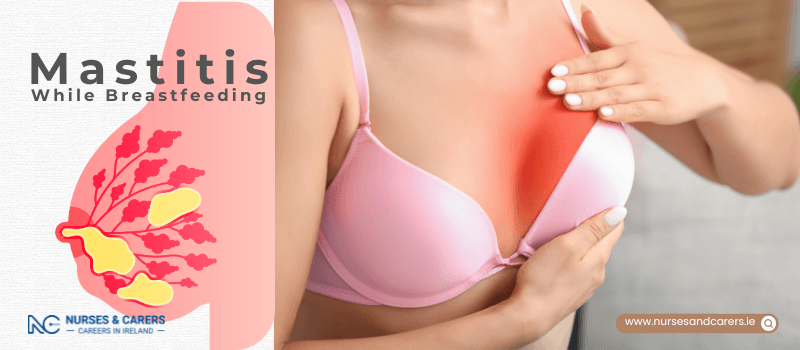
A hot, sore, and painful area, often appearing as a red, wedge-shaped lump.
A slight elevation in body temperature, up to 38.3°C.
2. Infective Mastitis
This stage involves an active bacterial infection within the breast tissue. Symptoms develop rapidly and include:
A tender, hot, and visibly swollen breast.
A high fever of 38.3°C or above.
Systemic, flu-like symptoms, including muscle aches, chills, and general malaise.
🧑⚕️ When to Consult A GP
Schedule a medical appointment if your low-grade temperature lasts longer than 24 hours, exceeds 38.3°C, or if you develop sudden flu-like symptoms, chills, or spreading red streaks across the breast.
Breastfeeding with Mastitis
Do not stop breastfeeding suddenly. Abruptly halting milk expression causes severe milk stasis, which significantly increases the risk of developing a serious breast abscess.
Milk Safety: Your breast milk remains completely safe and healthy for your baby. The milk may taste slightly saltier for a brief period, which your baby might notice, but it is harmless.
Feeding Strategies: Continue nursing on demand. Try starting the feed on the affected breast to help clear it. If the pain inhibits your milk let-down, start on the unaffected breast first, then switch back as soon as the milk begins flowing.
Expression Alternatives: If direct nursing is too painful, gently express milk by hand or use a mechanical pump. If using a pump, start on a low suction setting and increase it gradually to a point of comfort. Avoid over-expressing beyond your baby's needs, as hyper-lactation can worsen tissue swelling.
Evidence-Based Treatment Strategies
Cold Therapy
Apply a cloth-wrapped cold pack or a cool, moist facecloth to the breast for 10 minutes between feeding sessions to actively reduce swelling and relieve localized pain. Note: You can use gentle warmth for a few minutes before a feed to help with milk flow, but avoid excessive or prolonged heat, as it can accelerate tissue inflammation.
Anti-Inflammatory Medication
Unless contraindicated, use over-the-counter anti-inflammatory pain relief like ibuprofen. This medication reduces localized tissue swelling, lowers a high temperature, and eases full-body aches. It is clinically safe to use while lactating.
Gentle Lymphatic Massage
If massaging the area, use an incredibly light, feather-like touch with the flat of your hand, moving from the nipple area toward the armpit and the front of the neck. This improves fluid drainage through the lymph nodes. Note: Avoid deep, heavy tissue massage or hard squeezing, as crushing delicate milk ducts can cause permanent tissue scarring and worsen blockages.
Targeted Antibiotics
If your symptoms stem from a confirmed bacterial infection or fail to improve after 24 hours of conservative care, your GP will prescribe a course of breastfeeding-compatible oral antibiotics. It is critical to finish the entire prescribed antibiotic course, even if you feel entirely better within the first few days.
Rest and Rehydration
Prioritize physical rest by remaining in bed, sleeping when your baby sleeps, eating well, and drinking plenty of fluids to assist your body's recovery.
What to Avoid
No Restrictive Clothing: Avoid tight clothing or underwire bras that can constrict milk flow.
No Unverified Topical Products: Do not apply unprescribed creams, oils, or alternative herbal soaks to the breast, as these can irritate sensitive skin.
No Aspirin: Do not use aspirin for pain relief while lactating due to infant health risks.
Crucial Warning: If a distinct breast lump remains palpable and does not decrease in size within one week after the mastitis infection completely clears up, you must see your GP for a comprehensive clinical examination.
Temporary Changes to Milk Supply
You may notice a temporary reduction in milk production on the affected side as the mastitis clears up. This is a normal response to tissue inflammation. Your milk supply will naturally return to normal by feeding on cue and maintaining plenty of skin-to-skin contact with your baby.
If you have ongoing concerns about your milk supply or if your symptoms fail to improve, contact your public health nurse, midwife, lactation consultant, or local breastfeeding support volunteer for specialized guidance.
Disclaimer
The information provided here is for educational and informational purposes only. It does not constitute medical advice, diagnosis, or treatment. Always consult a qualified healthcare professional or your GP for specific medical concerns, diagnoses, or health advice. Never disregard professional medical advice or delay seeking it because of information you have read here.