
Mastoiditis
14 Sept 2026 · 3 min read
On this page11 sections
Overview, Symptoms, Causes, and Treatment
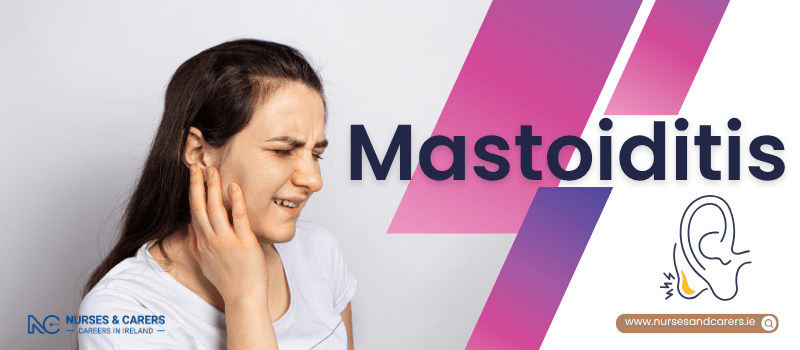
Mastoiditis is a bacterial infection of the mastoid bone, which is the porous portion of the skull located directly behind the ear. While it is a relatively rare condition, it occurs most frequently in children. With prompt diagnosis and targeted medical treatment, most individuals recover fully without lasting health problems.
Symptoms of Mastoiditis
Mastoiditis typically develops as a secondary complication following an acute middle ear infection. Common symptoms include:
Localized inflammation: Severe redness, tenderness, swelling, and pain directly behind the ear.
Structural shifting: Significant swelling that may cause the earlobe to protrude or stick outward.
Otorrhea: Fluid, pus, or discharge draining from the affected ear.
Systemic signs: A high temperature (fever), persistent irritability, and unusual fatigue.
Neurological and sensory shifts: Headaches and temporary hearing loss in the affected ear.
🧑⚕️ When to Consult a GP
Contact your general practitioner as soon as possible if you or your child exhibits any symptoms of mastoiditis, if a diagnosed ear infection fails to improve with treatment, or if new symptoms emerge during an existing ear infection.
Causes of Mastoiditis
The condition occurs when a bacterial infection spreads into the open air cells within the mastoid bone. Primary causes include:
Otitis media: An untreated or severe middle ear infection that migrates backward into the bone tissue.
Cholesteatoma: A non-cancerous growth or cyst of skin cells in the middle ear. This abnormal buildup blocks natural fluid drainage, creating an environment where bacteria can rapidly multiply.
Diagnostic Procedures
A GP will initial evaluate the ear using an otoscope to inspect the eardrum and ear canal. If mastoiditis is suspected, they will fast-track a referral to an Emergency Department (ED) or an Ear, Nose, and Throat (ENT) specialist for advanced testing:
Blood tests: To evaluate systemic markers of infection and inflammation.
Ear culture test: Analyzing a sample of the ear discharge in a laboratory to identify the specific strain of bacteria causing the infection.
CT scan: A computerized tomography scan may be ordered to generate detailed, cross-sectional X-ray images of the skull, allowing specialists to assess the exact structural extent of the bone infection.
Medical and Surgical Treatment
Because mastoiditis is a deep bone infection, it requires immediate, aggressive treatment with targeted antibiotics.
1. Intravenous Antibiotics
Patients frequently require a brief hospital admission to receive high-dose antibiotics delivered directly into a vein via an intravenous (IV) drip. This ensures the medication reaches the bone tissue efficiently.
2. Surgical Interventions
If antibiotics alone are insufficient, or if the infection is advanced, an ENT surgeon may perform one of the following procedures:
Myringotomy: A minor surgical procedure where a tiny incision is made in the eardrum to drain built-up fluid and relieve pressure in the middle ear.
Mastoidectomy: A more complex surgery to physically remove the infected or damaged sections of the mastoid bone.
Post-Operative Care and Recovery
Following surgery or hospital discharge, patients generally require 1 to 2 weeks of dedicated rest at home to recover fully.
Essential post-surgical ear care instructions include:
Moisture control: Keep the affected ear completely dry.
Hair washing: Wait at least 1 week before washing your hair, taking extreme care to prevent any water from entering the ear canal.
Swimming restrictions: Avoid swimming for 4 to 6 weeks, depending on the direct healing progress and explicit clearance from your ENT specialist.
Potential Complications
While serious complications are rare when the condition is treated early, an unresolved or deep-seated mastoid infection can occasionally return or cause serious health issues, including:
Permanent hearing loss
Intracranial blood clots
Meningitis (inflammation of the protective membranes covering the brain and spinal cord)
Brain abscess (a localized collection of pus within the brain tissue)
Disclaimer
The information provided here is for educational and informational purposes only. It does not constitute medical advice, diagnosis, or treatment. Always consult a qualified healthcare professional or your GP for specific medical concerns, diagnoses, or health advice. Never disregard professional medical advice or delay seeking it because of information you have read here.