
Medically Unexplained Symptoms
14 Sept 2026 · 5 min read
On this page15 sections
Understanding and Management
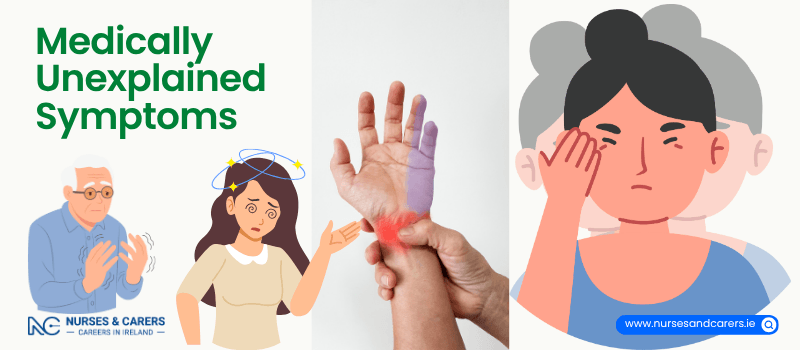
Many people experience persistent physical complaints, such as chronic pain or dizziness, that do not match the criteria for a known structural disease. When these issues last for several weeks and diagnostic tests do not reveal an underlying structural cause, they are clinically referred to as medically unexplained symptoms.
It is vital to understand that these symptoms are entirely real and physically felt. They are not simulated or "all in the mind," and they can profoundly disrupt a person's daily life and ability to function. The uncertainty of living without a clear medical diagnosis can also cause significant distress.
Functional Neurological Disorder (FND)
In many cases, medically unexplained symptoms stem from a malfunction in how the nervous system sends and receives signals, rather than structural damage to the nerves themselves. This is known as Functional Neurological Disorder (FND).
Common symptoms of FND include:
Tingling sensations or numbness in the hands or feet
Persistent tremors in one or both arms
Frequent headaches or migraines
Sudden vision changes, such as blurred vision or flashing lights
Note: These symptoms are incredibly common in primary care, accounting for up to 45% of all general practitioner (GP) appointments.
Potential Root Causes and Correlates
1. Co-occurring Psychological Factors
A strong link exists between chronic physical symptoms, like fatigue or pain, and mental health conditions such as depression or anxiety. Physical suffering can trigger psychological distress, and conversely, anxiety or depression can amplify physical pain perception. Breaking this cycle by treating the underlying psychological distress often provides substantial relief from physical symptoms.
2. Functional Syndromes
For some individuals, these symptoms align with recognized functional syndromes that are characterized by central nervous system sensitivity rather than tissue damage. Examples include:
Irritable Bowel Syndrome (IBS): Chronic abdominal pain and altered bowel habits.
Fibromyalgia: Widespread musculoskeletal pain, fatigue, and localized tenderness.
How Your GP Can Help
If your GP cannot find a specific disease to explain your symptoms, it does not mean they cannot help you. The clinical approach focuses on ruling out alternative diseases and managing the impact of your symptoms.
Diagnostic and Medication Review
Ruling out disease: Your doctor will perform physical examinations and order diagnostic blood tests to check for underlying conditions.
Medication audit: They will review your current prescriptions and over-the-counter drugs. For example, the long-term overuse of painkillers can paradoxically cause medication-overuse headaches.
Mental health screening: Your GP will check for signs of anxiety or depression to see if targeted mental health support could help reduce your physical symptoms.
Preparing for Your Appointment
To help your doctor build an effective management plan, be prepared to discuss:
The exact nature of your symptoms, when they began, and what triggers or relieves them.
Your personal thoughts or concerns regarding the potential cause.
How the symptoms restrict your daily activities, work, and hobbies.
The emotional toll the symptoms take on your well-being.
Your specific expectations regarding what diagnostic tests or treatments will achieve.
Clinical Treatment Pathways
Cognitive Behavioral Therapy (CBT)
Your GP may refer you for talking therapies, such as CBT. CBT helps you explore the complex links between your physical symptoms, your thoughts, your emotional responses, and your daily coping mechanisms. It provides practical tools to reduce the nervous system's stress response.
Specialist Referrals
If a nervous system communication issue is suspected, you will be referred to a neurologist. Based on their assessment, they may coordinate a multidisciplinary rehabilitation plan involving:
Physiotherapy: To retrain movement patterns and build physical tolerance.
Occupational Therapy: To adapt daily routines and environments for better functioning.
Psychotherapy: To address deep-seated stress factors impacting the nervous system.
Pharmacological Management
Certain medications, such as low-dose antidepressants, can be highly effective at altering pain pathways in the central nervous system, even if you are not clinically depressed. However, doctors approach medication cautiously; long-term reliance on strong painkillers or sedatives is avoided due to the high risk of chemical dependence.
Note: If you strongly believe an underlying medical condition has been overlooked during your evaluation, you have the right to request a formal second opinion from another healthcare provider.
Evidence-Based Self-Help Strategies
The human body possesses a strong innate capacity for recovery, and many functional symptoms gradually improve or completely resolve over time without heavy medical intervention. You can actively support this recovery through targeted lifestyle changes:
Paced Physical Activity: Regular, gentle exercise keeps your muscles conditioned, reduces central nervous system sensitivity, and naturally boosts your mood. The intensity should always be scaled to your current physical capabilities.
Proactive Stress Management: Because stress directly triggers the nervous system and worsens conditions like IBS and chronic pain, dedicated relaxation is essential. Dedicate time to structured unwinding activities such as walking, running, or mindfulness meditation.
Rest Optimization: Establishing healthy sleep hygiene and predictable rest schedules helps stabilize the nervous system.
Demographic Risk Factors
While anyone can experience medically unexplained symptoms, epidemiological data indicates they occur more frequently among:
Women
Younger adults
Individuals recovering from a recent physical illness or viral infection
People experiencing acute grief or stress due to the severe illness or death of a relative
Individuals with a personal history of depression or anxiety
Disclaimer
The information provided here is for educational and informational purposes only. It does not constitute medical advice, diagnosis, or treatment. Always consult a qualified healthcare professional or your GP for specific medical concerns, diagnoses, or health advice. Never disregard professional medical advice or delay seeking it because of information you have read here.