
MRSA
14 Sept 2026 · 4 min read
On this page15 sections
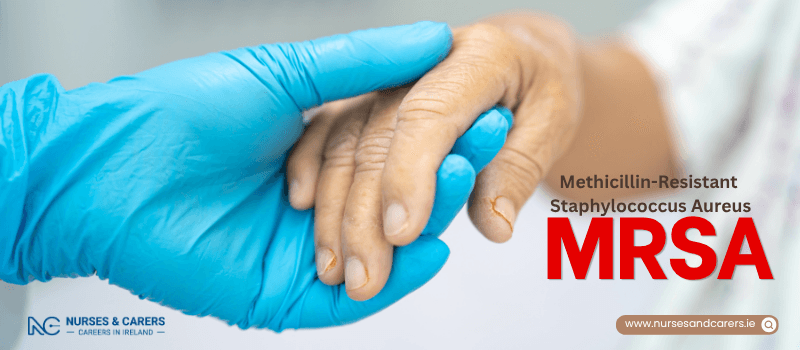
MRSA stands for methicillin-resistant Staphylococcus aureus. It is a specific type of antibiotic-resistant bacteria, commonly referred to as a "superbug." Because it has developed resistance to standard treatments, many conventional antibiotics no longer work effectively against it.
MRSA can live harmlessly on the skin, inside the nose, or within chronic wounds and leg ulcers without causing any symptoms. When the bacteria live on the body without causing illness, it is called colonization. In these cases, the bacteria may disappear naturally within a few days or months without intervention.
Symptoms of MRSA
MRSA becomes dangerous if it bypasses the surface of the skin and multiplies deeper within tissues, or enters the bloodstream.
Skin and Soft Tissue Infections
If the bacteria multiply under the skin, it can lead to localized skin, fat, or muscle infections. Symptoms include:
Redness and swelling.
Skin that feels unusually warm to the touch.
Localized pain or tenderness.
Pus or fluid draining from the affected area.
Systemic Infections
If MRSA enters the bloodstream, it can cause severe, life-threatening internal infections. Watch for these symptoms:
A high temperature or fever of 38°C (100.4°F) or above.
Generalized body aches and pains.
Chills and shivering.
Profound tiredness and weakness.
Sudden confusion or disorientation.
How MRSA Spreads and Risk Factors
MRSA spreads easily through direct skin-to-skin contact or by touching contaminated surfaces. It is highly prevalent in healthcare settings because hospitals house many individuals carrying the bacteria, making transmission easier. It is often impossible to know exactly when or where you picked up the bug.
Who is at Risk?
Healthy individuals—including children and pregnant women—are rarely at risk of developing an active MRSA infection. The bacteria typically only cause illness in individuals who are already vulnerable. Major risk factors include:
Undergoing major surgical procedures.
Having invasive medical devices inserted, such as urinary catheters or intravenous (IV) lines.
Undergoing active cancer treatments.
Receiving care inside an intensive care unit (ICU) or a specialized organ transplant ward.
Diagnosis and Screening
If you are admitted to a hospital or scheduled for surgery, you may be routinely screened for MRSA to prevent outbreaks.
The Process: A nurse or doctor will take simple swab samples from your skin, nose, and other parts of your body.
Results: The swabs are sent to a laboratory for testing, and results are typically returned within a few days.
Treatment and Management
Treating an Active Infection
If you develop an active MRSA infection, you will be treated with specific, specialized antibiotics that are still effective against this strain.
Eradicating the Bacteria (Decolonisation)
If you are found to carry MRSA on your skin without being sick, you may be given a decolonisation treatment to clear it:
Protocol: This typically involves washing your body and hair with a prescribed antibacterial shampoo and applying an antibacterial cream inside your nostrils.
Side Effects: Skin irritation should be mild. If you develop a noticeable rash, stop using the products immediately and consult your GP or pharmacist.
Hygiene Measures: During the treatment period, you must change your bedding, clothing, and towels every single day. Launder these items separately from the rest of your household at the highest possible temperature recommended for the fabric.
Living with MRSA
In the Hospital
Always inform your doctor, nurse, or dentist that you carry MRSA when booking appointments or arriving at a healthcare facility. To prevent the bacteria from spreading to vulnerable patients, you may need to be cared for in a private, single room or placed on a dedicated ward with other MRSA carriers.
At Home
Carrying MRSA should not interfere with your normal daily life. The bacteria are highly unlikely to harm healthy people outside of a hospital setting.
You do not need to limit physical contact with friends or family.
You are under no obligation to tell people in your personal life that you carry the bug.
Prevention: Lowering the Risk of Spread
Whether you are a patient or a visitor in a hospital clinic, you can help block superbug transmission by adopting strict hygiene habits:
Wash your hands regularly with soap and water or use alcohol-based hand gel.
Keep your fingernails trimmed short to prevent bacteria from accumulating underneath.
Use your own personal toiletries exclusively, including soap, flannels, sponges, and razors; never share these items.
Limit close contact with other hospital patients and stay away from their immediate bed spaces.
Avoid sharing food, newspapers, books, or electronic devices with other patients.
Report any unclean ward facilities or bathroom areas to hospital staff immediately.
Disclaimer
The information provided here is for educational and informational purposes only. It does not constitute medical advice, diagnosis, or treatment. Always consult a qualified healthcare professional or your GP for specific medical concerns, diagnoses, or health advice. Never disregard professional medical advice or delay seeking it because of information you have read here.