
Staph Infection
18 Sept 2026 · 3 min read
On this page7 sections
Staph infections are caused by a group of bacteria known as Staphylococcus. While these bacteria commonly affect the skin and often resolve without intervention, some cases require medical treatments like prescription antibiotics or minor clinical procedures.
Here is the essential guide to identifying symptoms, reducing transmission risks, and recognizing when a staph infection requires professional care.
Symptoms of a Staph Infection
Staph bacteria most frequently cause localized skin infections. However, if the bacteria breach the skin's deeper barriers, they can cause uncommon but severe complications, such as blood poisoning (septicaemia) or toxic shock syndrome. They can also colonize implanted medical devices like pacemakers or artificial joint replacements.
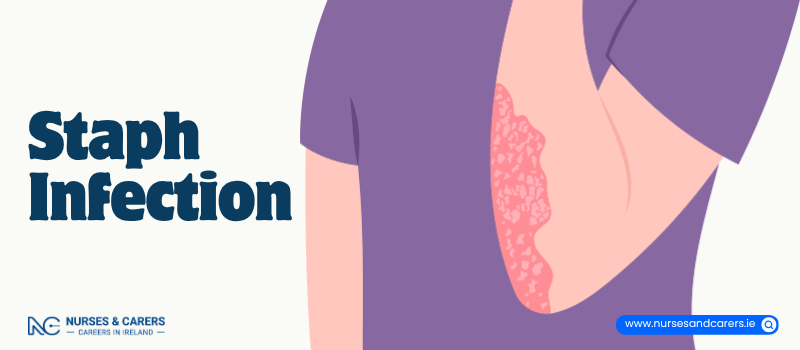
Typical symptoms of a staph skin infection include:
A painful, firm, red lump or bump on the skin
An area of skin that feels unusually hot, red, and swollen
Localized sores, crusts, or fluid-filled blisters
Sore, red eyelids or localized eye irritation
How Staph Spreads and How to Prevent It
Staph bacteria naturally live as harmless colonizers on the skin of many healthy individuals, typically residing in the nose, armpits, and groin. An infection usually only develops when the bacteria enter the body through a skin break, such as a cut, scratch, or insect bite.
The bacteria can easily spread to other people or other parts of your body through:
Direct, close skin-to-skin contact
Sharing personal care items like towels, razors, or toothbrushes
Inhaling respiratory droplets from coughs and sneezes (less common)
Prevention Guidelines
Because staph bacteria are so common, total avoidance is difficult. However, practicing these hygienic habits significantly reduces your risk of infection:
Wash your hands regularly: Use warm water and soap frequently throughout the day.
Maintain daily hygiene: Bathe or shower every day to keep bacterial levels on your skin low.
Protect wounds: Keep any cuts, grazes, or open scratches thoroughly clean and covered with a sterile dressing.
Practice safe respiratory habits: Use disposable tissues to blow your nose or catch sneezes, and discard them immediately.
Do not share personal items: Avoid sharing towels, washcloths, bed linen, toothbrushes, or razors with anyone else.
When to Seek Medical Professional Evaluation
Non-Urgent GP Appointments
Contact your GP if you suspect a staph skin infection and experience any of the following:
The painful area is actively worsening or spreading across your skin quickly.
The skin symptoms persist or fail to improve after one week.
You have a weakened immune system due to an underlying condition or a medical treatment, such as chemotherapy or an organ transplant.
A doctor can evaluate the wound and prescribe targeted oral or topical antibiotics if necessary. If the infection has formed a boil or a deep abscess, a clinician may need to safely perform a minor procedure to drain the fluid.
Emergency Medical Attention
Seek urgent or emergency medical care immediately if your skin symptoms are accompanied by a high fever, chills, rapid heart rate, or any early signs of sepsis (such as confusion, slurred speech, or severe breathlessness).
Disclaimer
The information provided here is for educational and informational purposes only. It does not constitute medical advice, diagnosis, or treatment. Always consult a qualified healthcare professional or your GP for specific medical concerns, diagnoses, or health advice. Never disregard professional medical advice or delay seeking it because of information you have read here.