
Necrotising Fasciitis
17 Sept 2026 · 2 min read
On this page7 sections
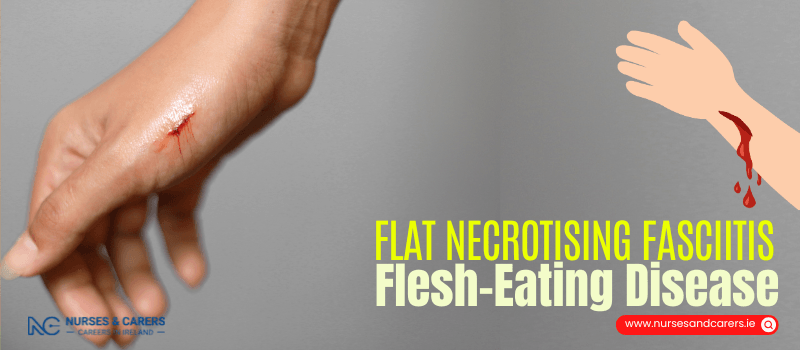
Necrotising fasciitis—often called "flesh-eating disease"—is a rare, rapidly progressing, and life-threatening bacterial infection. It occurs when a cut, scratch, or wound becomes infected and requires immediate emergency hospital treatment.
Common Portals of Infection
The causative bacteria can enter the body through:
Cuts, scratches, or minor skin abrasions.
Burns and scalds.
Insect or animal bites.
Surgical incisions.
Intravenous or subcutaneous drug injection sites.
Note: Individuals with diabetes or compromised immune systems are at a significantly higher risk.
Progression of Symptoms
Early Symptoms (Developing within hours to days)
Severe pain that is disproportionately worse than the appearance of the wound.
Localised loss of sensation or numbness near the injury.
Swelling and inflammation around the affected area.
Flu-like symptoms, including a fever of 38°C (100.4°F) or higher.
Persistent headache and extreme fatigue.
Advanced Symptoms
Nausea and vomiting.
Diarrhoea.
Sudden confusion or altered mental state.
Skin discolouration, including black, purple, or grey blotches and blisters. (Note: These colour changes may be less visually distinct on black or brown skin).
Clinical Treatment and Recovery
Because the infection destroys tissue rapidly, immediate interventions are mandatory:
Intravenous Antibiotics: Administered immediately to target the infection.
Emergency Surgery (Debridement): Crucial to cut away and remove all dead or infected tissue.
Amputation: May be required in severe cases to halt the spread of the infection and save the patient's life.
Long-Term Rehabilitation: Intensive physiotherapy and reconstructive surgery are often necessary to restore mobility and function.
Emergency Action Required
Call 999, 112, or go to the nearest Emergency Department immediately if you or someone else has a wound accompanied by:
Disproportionate, excruciating pain.
High fever, headache, and severe muscle aches.
Sudden confusion or lethargy.
Black, purple, or grey skin blotches and blisters near the injury.
Disclaimer
The information provided here is for educational and informational purposes only. It does not constitute medical advice, diagnosis, or treatment. Always consult a qualified healthcare professional or your GP for specific medical concerns, diagnoses, or health advice. Never disregard professional medical advice or delay seeking it because of information you have read here.