
Noise Sensitivity (Hyperacusis)
17 Sept 2026 · 2 min read
On this page9 sections
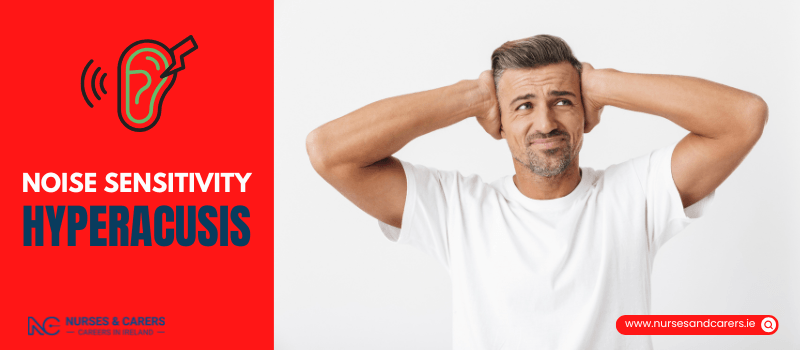
Hyperacusis is an increased sensitivity to everyday sounds, causing them to seem uncomfortably or painfully loud. It can affect one or both ears, appear suddenly or gradually, and significantly impact relationships, work, and general well-being.
Recognizing Hyperacusis Symptoms
Common everyday sounds that can trigger distress or physical pain include:
Jingling coins.
A barking dog.
A car engine running.
Someone chewing.
A running vacuum cleaner.
Other Types of Sound Sensitivity
Misophonia: Intense anger, disgust, or irritation triggered by specific sounds (e.g., chewing or breathing).
Phonophobia: A persistent fear of loud sounds, often causing anxiety.
Recruitment: An abnormal perception of loudness caused by underlying hearing loss, where the ear struggles to balance quiet and loud sounds.
Potential Causes and Associated Conditions
The exact cause of hyperacusis is not always clear, but it frequently occurs alongside or following:
Tinnitus (ringing in the ears).
Head injuries or physical trauma.
Migraines.
Lyme disease.
Ménière's disease.
Williams syndrome.
Treatment and Management Options
Medical Interventions
If an underlying medical condition (like migraines or Lyme disease) is causing the sensitivity, treating that condition can cure the hyperacusis. If no clear cause is found, specialist treatments include:
Sound Therapy: Wearing specialized earpieces that emit low-level white noise to gradually desensitize your ears to everyday sounds.
Cognitive Behavioural Therapy (CBT): Working with a therapist to alter negative thought patterns, manage anxiety, and reduce the emotional impact of noise.
Self-Care Do's and Don'ts
Do practice relaxation techniques: Managing overall stress levels can reduce sound sensitivity.
Don't use earplugs or earmuffs constantly: Overprotecting your ears can inadvertently make your hearing system even more sensitive to noise.
Don't completely avoid noisy environments: Gradual exposure is necessary for the brain to relearn sound tolerance.
When to Seek Medical Help
Contact Your GP
Schedule an appointment if everyday noises regularly feel too loud, overwhelming, or painful. Your GP can look for structural causes or refer you to an audiology or ENT specialist for further diagnostic testing.
Disclaimer
The information provided here is for educational and informational purposes only. It does not constitute medical advice, diagnosis, or treatment. Always consult a qualified healthcare professional or your GP for specific medical concerns, diagnoses, or health advice. Never disregard professional medical advice or delay seeking it because of information you have read here.