
Nosebleed
17 Sept 2026 · 2 min read
On this page11 sections
Nosebleeds are common, usually harmless, and most frequently affect children, pregnant women, and the elderly. Deeper nosebleeds originating further back in the nasal passage are more common in adults and may require medical intervention.
How to Treat a Nosebleed at Home
Do:
Sit up and lean forward: Leaning forward prevents you from swallowing blood. Do not lie down.
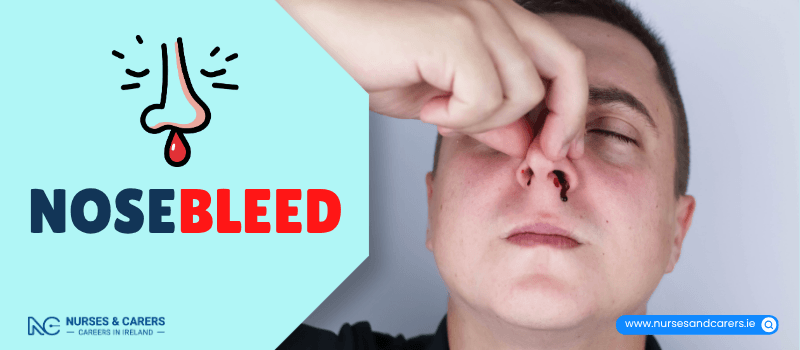
Pinch the nose: Firmly pinch the soft part of your nose just above the nostrils for 10 to 15 minutes.
Breathe through your mouth: Maintain this breathing pattern while pinching.
Apply cold: Place an ice pack wrapped in a towel on the bridge of your nose or back of your neck. Chewing ice cubes can also help constrict blood vessels.
For 24 Hours Post-Nosebleed (To Prevent Rebleeding):
Do not blow or pick your nose.
Do not pick at any internal scabs.
Avoid hot drinks and alcohol.
Avoid heavy lifting and intense exercise.
Note: Passing a blood clot shortly after the bleeding stops is normal; simply wipe it away gently.
Common Causes of Nosebleeds
Surface Bleeding (Common)
Picking the nose or blowing too hard.
Dry indoor air or sudden changes in temperature.
Deep Nasal Bleeding (More Complex)
Direct trauma or injury to the face.
Underlying cardiovascular conditions (e.g., high blood pressure, atherosclerosis).
Genetic blood vessel disorders (e.g., Hereditary Haemorrhagic Telangiectasia - HHT).
Medications that interfere with clotting.
Clinical Treatments
If home care fails to stop the bleeding, a doctor may perform one of two procedures:
Cautery: The doctor applies a chemical stick to the specific blood vessel to seal it.
Nasal Packing: Special sponges or gauze are inserted into the nasal cavity to apply constant pressure. This may require a short hospital stay.
When to Seek Medical Attention
🚨 Emergency Action Required
Go to your nearest Emergency Department (ED) immediately if:
The bleeding continues heavily after 10 to 15 minutes of continuous pressure.
You swallow a large volume of blood, causing you to vomit.
The nosebleed started immediately after a severe blow to the head.
You feel dizzy, faint, weak, or experience difficulty breathing.
Schedule a Non-Urgent GP Appointment if:
The nosebleed occurs in a child under 2 years old.
You experience frequent or recurrent nosebleeds.
You take blood thinners (like warfarin) or have a known clotting disorder (like haemophilia).
You develop signs of anaemia, such as a racing heart (palpitations), unexplained shortness of breath, and pale skin.
Disclaimer
The information provided here is for educational and informational purposes only. It does not constitute medical advice, diagnosis, or treatment. Always consult a qualified healthcare professional or your GP for specific medical concerns, diagnoses, or health advice. Never disregard professional medical advice or delay seeking it because of information you have read here.