
Organ Donation
17 Sept 2026 · 3 min read
On this page12 sections
Overview
Organ donation involves giving an organ to save or improve another person's life. While some organs can be given by a living person, most donations occur after death. Each year, hundreds of transplant recipients in Ireland undergo life-altering procedures due to these donations.
When Donation is Clinically Possible
Very few deaths meet the strict medical criteria required for organ donation. A potential donor must pass away in a hospital while maintained on a life support machine (ventilator).
Donation is only possible after two independent doctors complete rigorous testing to certify death under one of two scenarios where recovery is impossible:
Brain Stem Death: Complete and irreversible loss of brain stem function.
Cardiac Death: Irreversible cessation of circulatory and respiratory function.
Eligible Organs and Allocation
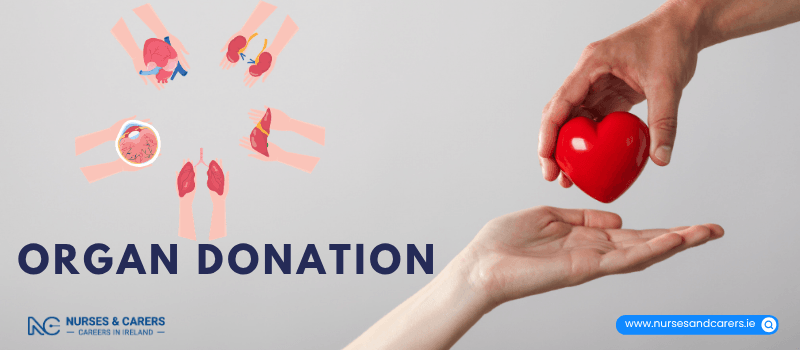
Donors can choose to donate all or only specific organs from the following list:
Heart
Lungs
Liver
Pancreas
Kidneys
Geographic Allocation
Donated organs are first matched with the highest-priority compatible patients in Ireland. If no suitable local match is found, they are shared with medical teams in the UK or other EU countries to ensure the organs save lives rather than going to waste.
The Role of Next of Kin and Medical History
Consent: In Ireland, your next of kin (a designated family member or close friend) must always give final consent. Healthcare teams will only retrieve the specific organs your next of kin authorizes.
Existing Medical Conditions: Having an underlying health issue does not automatically disqualify you. Medical professionals will evaluate your clinical history at the time of death to determine organ viability.
Post-Donation and Funeral Logistics
Appearance and Logistics: Organ retrieval is carried out by specialist doctors and nurses in a hospital operating theatre. The procedure leaves no visible external signs, does not delay funeral arrangements, and fully accommodates open-casket viewings.
Confidentiality: Strict legal anonymity protects the identities of both the donor and the transplant recipients.
Family Updates: A donor coordinator will write to the donor’s family a few weeks after the procedure to provide a general health update on the individuals who received the organs.
How to Register Your Decision
To Become a Donor
If you are 18 or older and living in Ireland, you are automatically considered a potential organ donor under the public system. You do not need to take any action on the register. However, you must discuss your wishes clearly with your next of kin, as they hold final veto and consent power.
To Opt Out
If you object to donating your organs, you must formally add your name to the national opt-out registry.
Living Donor Programme
Healthy adults can choose to donate a single kidney to a relative, friend, or an unknown patient on the national transplant waiting list (known as non-directed altruistic living organ donation).
To learn more about living kidney donation, contact the National Kidney Transplant Service at Beaumont Hospital:
Phone: 01 809 3119 or 01 809 2298
Disclaimer
The information provided here is for educational and informational purposes only. It does not constitute medical advice, diagnosis, or treatment. Always consult a qualified healthcare professional or your GP for specific medical concerns, diagnoses, or health advice. Never disregard professional medical advice or delay seeking it because of information you have read here.