
Orthodontic Treatment and Braces
17 Sept 2026 · 6 min read
On this page21 sections
Overview
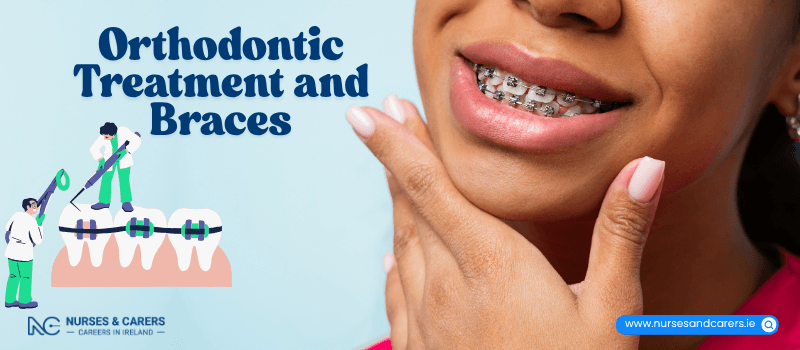
Orthodontic treatment involves using dental braces to gradually adjust the alignment and position of your teeth.
Common reasons for needing braces include:
Straightening teeth that are crooked, overcrowded, or protruding.
Closing wide or uneven gaps between teeth.
Correcting your bite so the upper and lower teeth align properly when closing the mouth.
Note: Active orthodontic treatment typically takes up to 2 years to complete. Once the braces are removed, patients must wear dental retainers to prevent teeth from shifting back to their original positions.
Public Orthodontic Treatment for Children
Roughly one-third of children require orthodontic care. The Health Service Executive (HSE) provides free orthodontic treatment exclusively to children with severe bite or alignment problems.
The Referral System
Age Limit: A formal referral to the public system must be submitted before the child turns 16.
School Screenings: Children in Ireland are usually offered a free HSE dental check-up during 6th class. If the dentist identifies a severe issue, they will refer the child for a formal orthodontic assessment.
Waiting Lists: High demand means some children may turn 16 while on the waiting list. As long as the referral was formally accepted before their 16th birthday, they remain eligible for free care when they reach the top of the list.
Ineligibility and Apppeals
If the HSE determines that your child's condition does not meet the strict public health guidelines for free care, discuss the outcome with your primary dentist first to evaluate your options.
Treatment for Adults
Free public HSE orthodontic treatment is entirely unavailable to adults. Additionally, routine or advanced orthodontic procedures are not covered under the Medical Card scheme. Adults seeking teeth straightening options must seek care through private practices.
Private Practice and Financial Assistance
Private Care Costs
Private orthodontic care is widely accessible across Ireland. Fees fluctuate significantly based on the complexity of the alignment issues and the specific types of braces selected.
The Med2 Scheme (Tax Relief)
Patients or parents funding private orthodontic care can claim a 20% tax rebate on the total cost of the treatment. This financial relief is claimed against your income tax using the Revenue Med2 Scheme.
Traveling Abroad for Treatment
Under the Cross-Border Directive (CBD), Irish residents have the legal right to receive orthodontic care in another EU or European Economic Area (EEA) country.
Payment Process: You must pay the foreign healthcare provider directly for all consultation and treatment costs upfront.
Reimbursement: Upon returning to Ireland, you can apply to the HSE for reimbursement. The repayment amount is capped at the equivalent cost of that specific treatment within the Irish public healthcare system.
Orthodontic Treatment and Braces: Getting Braces Fitted
Clinical Prerequisites Before Fitting
Before any orthodontic appliances can be bonded, your teeth and gums must be in excellent health. Orthodontic forces applied to teeth with active decay or periodontal disease can accelerate tissue damage.
Throughout the treatment period, you must maintain impeccable oral hygiene and significantly minimize your sugar intake. Failing to do so increases the accumulation of plaque around the brackets, creating a high risk for tooth decay, white spot lesions, and gum disease.
Optimal Age for Treatment
Ages 12 to 13: This is the ideal window for most standard orthodontic interventions. At this stage, all primary (baby) teeth have typically shed, yet the jawbones are still actively growing, allowing for smoother tooth movement.
Late Adolescence: If your child requires complex treatment—such as jaw surgery or adjustments for multiple missing teeth—the orthodontist may delay fitting braces until their late teens when bone growth stabilizes.
Immediate Intervention: If a child presents with impacted teeth (teeth blocked from naturally erupting through the gums), orthodontic treatment must begin as soon as the issue is diagnosed to prevent root damage to adjacent teeth.
Note: While adolescent treatment is highly common, it is entirely effective to undergo orthodontic treatment as an older teenager or adult.
Treatment Duration and Maintenance
Orthodontic treatment generally lasts between 6 months and 2 years, depending entirely on the complexity of the alignment issues. Because teeth must be moved slowly to protect the surrounding bone and roots, you will need to visit your orthodontist every 6 to 8 weeks for regular adjustments and wire tensioning.
Types of Orthodontic Appliances
1. Fixed Braces
This is the most common and precise orthodontic appliance.
Structure: Constructed from metal or clear ceramic brackets that are semi-permanently glued to the front of each tooth and connected by a continuous archwire.
Visibility: The brackets and wires are clearly visible on the front surfaces of the teeth.
Note: Some children with severely misaligned jaws may require supplementary removable functional braces alongside fixed appliances.
2. Removable Clear Aligners
Aligners are a discreet alternative to fixed brackets.
Structure: Made of clear, flexible medical-grade plastic trays shaped to fit snugly over your teeth. Each sequential tray applies precise pressure to push teeth into a new position.
Requirements: Achieving movement almost always requires your orthodontist to bond small, tooth-coloured composite attachments to your teeth for the duration of the treatment.
Usage: Aligners must be worn continuously throughout the day and night. They should only be removed during mealtimes, when drinking hot or sugary fluids, and for your daily brushing routine.
Long-Term Retention and Post-Treatment Care
Daily Maintenance Rules
Impeccable Brushing: Braces easily trap food debris. You must take extra time to clean around all brackets and under the wires using specialized orthodontic brushes and floss.
Dietary Compliance: Strictly avoid hard, sticky, or highly sugary foods and carbonated drinks. Hard foods can break the brackets away from the enamel, delaying your treatment time.
Routine Dentistry: You must continue to see your regular primary care dentist for routine cleanings and exams alongside your specialist orthodontist appointments.
The Retainer Phase
Teeth have a natural tendency to shift back toward their original, misaligned positions once active pressure is removed. To guarantee long-term stability, you must wear a dental retainer immediately after your braces are detached.
Fixed Retainers: A solid, thin wire bonded permanently to the back surfaces of your front teeth.
Removable Retainers: Clear plastic trays or wire appliances that are worn according to your orthodontist's specific prescription (often nightly).
Disclaimer
The information provided here is for educational and informational purposes only. It does not constitute medical advice, diagnosis, or treatment. Always consult a qualified healthcare professional or your GP for specific medical concerns, diagnoses, or health advice. Never disregard professional medical advice or delay seeking it because of information you have read here.