
Overactive Thyroid (Hyperthyroidism)
17 Sept 2026 · 19 min read
On this page57 sections
An overactive thyroid occurs when the thyroid gland produces an excess of thyroid hormones. This condition is clinically known as hyperthyroidism or thyrotoxicosis. Left untreated, it can lead to serious systemic health issues.
While it can affect anyone, hyperthyroidism is approximately 10 times more common in women than in men and is most frequently diagnosed between the ages of 20 and 50.
The Thyroid Gland
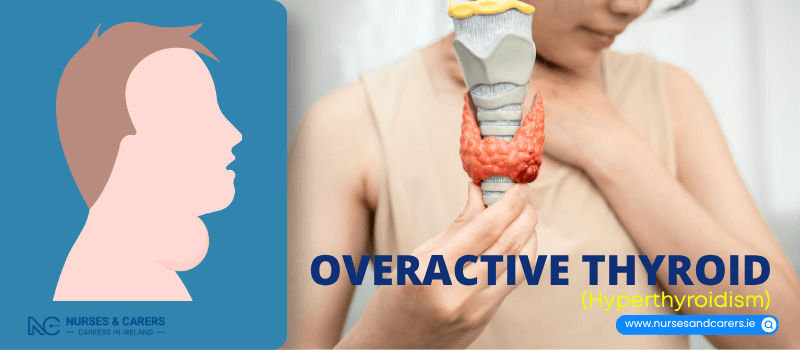
The thyroid is a small, butterfly-shaped endocrine gland located in the lower front of your neck, positioned directly ahead of the windpipe (trachea). It synthesizes hormones that regulate your baseline metabolism, directly controlling vital functions such as your heart rate and body temperature.
Symptoms of an Overactive Thyroid
An excess of thyroid hormones accelerates the body's metabolic processes, resulting in a wide array of physical and psychological symptoms:
Psychological: Heightened nervousness, anxiety, irritability, and severe mood swings.
Sleep & Energy: Difficulty sleeping (insomnia) alongside chronic fatigue and muscle weakness.
Physical & Structural: Visible swelling in the neck due to an enlarged thyroid gland (known as a goitre).
Cardiovascular: An irregular heartbeat or an unusually rapid heart rate (palpitations).
Neurological: Fine muscle twitching or involuntary trembling, typically noticeable in the hands.
Metabolic: Sudden, unexplained weight loss despite no change in diet, and an intense sensitivity to heat or excessive sweating.
Causes of an Overactive Thyroid
Several distinct medical factors can cause the thyroid gland to malfunction:
Graves' Disease: An autoimmune condition where the body's immune system mistakenly produces antibodies that stimulate the thyroid to overproduce hormones. This is the most common cause.
Thyroid Nodules: The development of benign lumps (nodules) on the thyroid gland that independently synthesize excess thyroid hormones.
Medication Side Effects: Certain prescription drugs (such as amiodarone, used to treat heart rhythm disorders) can trigger hyperthyroidism.
The Diagnostic Process
Diagnosing an overactive thyroid involves an evaluation of your physical symptoms followed by specific medical tests:
GP Consultation: Your doctor will review your symptoms, check your pulse, and examine your neck for physical signs of a goitre.
Thyroid Function Blood Test: A blood panel measures the exact levels of Thyroid-Stimulating Hormone (TSH), Free Thyroxine (T4), and Triiodothyronine (T3) in your blood. A low TSH level combined with high T4 or T3 levels confirms hyperthyroidism.
Specialist Referral: If your tests indicate an overactive thyroid, your GP will refer you to an endocrinologist (a specialist in hormone conditions) for advanced diagnostics to isolate the exact cause.
Treatment Options
Your endocrinologist will discuss the best therapeutic approach for your situation based on the underlying cause and your overall health:
Antithyroid Medications: Prescription drugs (such as thiamazole or carbimazole) that chemically block the thyroid gland from manufacturing extra hormones.
Radioiodine Therapy: An oral treatment where you swallow a small dose of radioactive iodine. The thyroid gland absorbs the iodine, which safely destroys a portion of the overactive cells, shrinking the gland and slowing hormone production.
Surgery (Thyroidectomy): Surgical removal of part or all of the thyroid gland. This is typically reserved for large goitres, severe cases, or when other treatments fail or are unsuitable.
Potential Complications
1. Thyroid Eye Disease
Particularly associated with Graves' disease, this complication causes localized inflammation behind the eyes. Symptoms include severe eye irritation, redness, dry eyes, double vision, or a distinct protruding or bulging appearance of the eyeballs.
2. Pregnancy Complications
Uncontrolled hyperthyroidism during pregnancy elevates the risk of serious medical events for both mother and fetus, including pre-eclampsia, premature birth, low birth weight, and miscarriage.
3. Thyroid Storm
This is a rare, sudden, and life-threatening flare-up of hyperthyroidism symptoms. A thyroid storm requires emergency medical hospitalization and presents as an extremely rapid heart rate, high fever, agitation, confusion, and dehydration.
When to Seek Medical Help
Schedule a Non-Urgent GP Appointment if:
You consistently exhibit any of the primary psychological or physical symptoms of an overactive thyroid. Early clinical identification prevents long-term cardiovascular stress.
Overactive Thyroid (Hyperthyroidism): Symptoms and Signs
An overactive thyroid occurs when the thyroid gland overproduces metabolic hormones, accelerating the body's systems. These hormonal shifts can manifest gradually over several months or develop abruptly. Depending on the individual, symptoms can range from mild, manageable discomfort to severe disruption of daily life.
Physical and Psychological Symptoms
Mood and Energy Shifts
Psychological Distress: Heightened nervousness, persistent anxiety, and increased irritability.
Hyperactivity: A restless feeling of being driven by "nervous energy," making it difficult to sit still.
Emotional Lability: Uncharacteristic, rapid mood swings.
Sleep Disturbances: Insomnia or disrupted sleep patterns that lead to chronic fatigue and feeling tired all the time.
Metabolic and Systemic Changes
Heat Intolerance: Intense sensitivity to warm environments and temperature increases.
Muscle Weakness: Localized weakness, frequently felt in the upper arms and thighs.
Digestive and Urinary Changes: Frequent loose stools or diarrhoea, along with a need to urinate more often than usual.
Hydration and Skin Issues: Persistent, unquenchable thirst and chronic skin itchiness.
Reproductive Shifts: A sudden or progressive loss of interest in sex (reduced libido).
Clinical Signs Checked by a GP
During a physical examination, a healthcare professional will look for specific physical indicators of hyperthyroidism:
Goitre: A visible or palpable swelling in the front of the neck caused by an enlarged thyroid gland.
Cardiovascular Strain: An irregularly fast heart rate or structural rhythm changes, often felt as racing heart palpitations.
Neurological Tremors: Involuntary fine twitching or trembling, typically isolated to the hands and fingers.
Dermatological Indicators: Warm, flushed skin, excessive sweating, distinctly red palms (palmar erythema), or a raised, itchy rash known as hives (urticaria).
Hair and Nail Changes: Brittle or loose nails that lift from the nail bed, alongside patchy hair thinning or hair loss.
Appetite and Weight Disconnect: A sharp increase in appetite paired with sudden, unintentional weight loss.
Ocular Changes: Specialized eye problems, including localized redness, persistent dryness, or double vision.
When to Seek Medical Help
Schedule a Non-Urgent GP Appointment if:
You display any combination of the symptoms or signs listed above.
Note: Because these symptoms mimic many other medical conditions, your GP will arrange a diagnostic blood test to specifically measure your hormone levels and confirm if your thyroid is the underlying cause.
Overactive Thyroid (Hyperthyroidism): Diagnosis
If you suspect you have an overactive thyroid, your GP will perform an initial clinical evaluation. They will review your medical history, discuss your physical symptoms, and arrange a diagnostic blood test to determine how your thyroid gland is functioning.
Thyroid Function Blood Test
A thyroid function test is the primary diagnostic tool used to confirm hyperthyroidism. A healthcare professional will draw a sample of your blood to analyze three essential hormone markers:
Thyroid-Stimulating Hormone (TSH): Manufactured by the pituitary gland in the brain, TSH acts as the master control switch regulating the production of thyroid hormones.
Thyroxine (T4): The primary metabolic hormone synthesized directly by the thyroid gland.
Triiodothyronine (T3): The highly active metabolic hormone produced by the thyroid gland.
Interpreting Your Results
Your doctor will evaluate your results against standard reference ranges tailored to your age and biological sex.
Hyperthyroidism Profile: A low or suppressed level of TSH paired with elevated levels of T3 or T4 confirms that your thyroid gland is overactive. Because your thyroid is pumping out too many hormones, your brain suppresses TSH production to try to stop it.
Advanced Diagnostic Testing
If your primary blood panel confirms high hormone levels, your GP will refer you to an endocrinologist (a specialist in hormone disorders) to identify the exact root cause of the malfunction. The specialist may order the following secondary diagnostics:
1. Specialized Immune and Inflammatory Blood Panels
Anti-Thyroid Antibody Test: This assay screens your blood for specific autoantibodies. Their presence strongly indicates Graves' disease, an autoimmune condition and the leading cause of hyperthyroidism.
Erythrocyte Sedimentation Rate (ESR): This test measures systemic inflammation in the body. An elevated ESR suggests thyroiditis (inflammation of the thyroid gland), which causes a temporary leak of stored hormones into your bloodstream.
2. Thyroid Ultrasound
Your medical team may arrange an ultrasound scan of your neck. This painless test uses sound waves to create a real-time image of the thyroid gland, allowing doctors to check for physical swelling, evaluate tissue texture, or map any fluid-filled cysts.
3. Thyroid Radionuclide Scan (Scintigraphy)
A thyroid scan is performed to evaluate how the thyroid gland is functioning structurally and to identify solid lumps or nodules.
What to Expect During the Scan
Radiotracer Administration: You will swallow a small capsule or receive a minor injection containing a safe, weakly radioactive substance (such as technetium or low-dose iodine).
Imaging: A specialized gamma camera tracks how your thyroid absorbs the radiotracer to map the exact size, shape, and location of active tissues.
Nodule Typing: The scan identifies "hot" nodules (areas absorbing excess tracer, meaning they are overproducing hormones) or "cold" nodules (inactive tissue lumps).
🚨 Important Pregnancy Constraint: You cannot undergo a radioactive thyroid scan if you are pregnant, or if you suspect you might be pregnant, due to fetal radiation risks.
Overactive Thyroid (Hyperthyroidism): Causes
Hyperthyroidism occurs when the thyroid gland manufactures and secretes an excess of its two primary metabolic hormones: thyroxine (T4) and triiodothyronine (T3). This hormonal overproduction accelerates the body's baseline metabolism and can be triggered by several distinct underlying medical factors.
Primary Causes of Hyperthyroidism
1. Graves' Disease
Graves' disease is the leading cause of hyperthyroidism, accounting for approximately 75% (3 in 4) of all diagnosed cases.
Mechanism: It is an autoimmune disorder where the immune system malfunctions and generates abnormal antibodies. Instead of protecting the body, these autoantibodies target the thyroid gland, stimulating it to continuously overproduce hormones.
Risk Factors: While the exact trigger for this autoimmune response remains unknown, your susceptibility increases significantly if you:
Are a woman between the ages of 20 and 50.
Have a documented family history of Graves' disease or other autoimmune conditions.
Smoke tobacco, which strongly exacerbates the condition and its associated eye complications.
2. Toxic Thyroid Nodules
The thyroid gland can develop localized structural lumps known as nodules.
Mechanism: These nodules are almost always benign (non-cancerous). However, they can become "toxic" or autonomous, meaning they contain abnormal thyroid tissue that ignores the body's regulatory signals and independently pumps extra hormones into the bloodstream.
Risk Factors: The precise cause of nodule formation is unclear, but they develop much more frequently in individuals aged 60 or older.
3. Medication Side Effects
The thyroid gland requires iodine to synthesize T3 and T4, but an excess of iodine can overstimulate hormone production.
Amiodarone: This medication, commonly prescribed to regulate irregular heart rhythms (arrhythmias), contains exceptionally high concentrations of iodine. It is a frequent medical trigger for drug-induced hyperthyroidism.
Recovery: While thyroid function generally improves once the offending medication is discontinued under medical supervision, it can take several months for systemic hormone levels to settle back into a normal range.
Less Common Causes
Thyroiditis: This is an acute or subacute inflammation of the thyroid gland, often caused by a viral infection or postpartum immune shifts. The inflammation damages the thyroid tissue, causing it to rapidly leak its entire stored supply of hormones into the bloodstream. This causes temporary hyperthyroidism, which is often followed by a period of underactivity (hypothyroidism) before the gland heals.
Gestational Elevated hCG: Human Chorionic Gonadotropin (hCG) is a primary hormone produced by the placenta during pregnancy. Because hCG structurally resembles the brain's thyroid-stimulating hormone, exceptionally high levels can over-activate the thyroid. This dynamic is most common during early pregnancy, multiple gestations (twins or triplets), or a molar pregnancy (an abnormal growth in the uterus).
Pituitary Adenoma: A rare, benign (non-cancerous) tumor situated on the pituitary gland in the brain. The adenoma can independently secrete excessive amounts of Thyroid-Stimulating Hormone (TSH), forcing a healthy thyroid gland to overproduce metabolic hormones.
Thyroid Cancer: In exceptionally rare clinical scenarios, a malignant tumor within the thyroid gland can consist of functioning cancerous cells that hyper-secrete thyroid hormones.
Overactive Thyroid (Hyperthyroidism): Treatment
If diagnosed with hyperthyroidism, you will typically be referred to an endocrinologist to plan your care. The choice of therapy depends on the underlying cause of your condition, your age, your overall health, and whether you are planning a pregnancy. The three primary clinical treatments are prescription medication, radioiodine therapy, and surgical removal.
1. Antithyroid Medication
Antithyroid medications act by chemically blocking the thyroid gland from synthesizing excess metabolic hormones.
Primary Options: Carbimazole is the most widely prescribed frontline medication. Propylthiouracil is typically reserved as a secondary option or for specific stages of pregnancy.
Timeline: It generally takes 1 to 2 months of continuous daily use before you notice a clinical improvement in your symptoms.
Symptom Management: Because antithyroid medications take time to work, your doctor may concurrently prescribe a short course of beta-blockers. Beta-blockers do not alter thyroid hormone levels, but they quickly suppress debilitating symptoms such as a rapid heart rate, palpitations, muscle tremors, and anxiety.
Duration: Once your hormone levels stabilize within a normal reference range, your endocrinologist will gradually titrate (reduce) the dose. While some individuals can safely discontinue the medication after a year or two, others require maintenance therapy for years or indefinitely.
Monitoring Medication Side Effects
Common Mild Effects: During the first two months, you may experience minor symptoms like nausea, headaches, joint pain, mild stomach upset, or an itchy rash. These are usually temporary and resolve as your body adjusts.
🚨 Severe Hematological Risk (Agranulocytosis): A rare but highly dangerous side effect of antithyroid drugs is a sudden, severe drop in your white blood cell count. This suppresses your immune system, making you highly vulnerable to life-threatening infections.
⚠️ URGENT CLINICAL PROTOCOL:
If you take carbimazole or propylthiouracil and develop a high fever, a severe sore throat,
or a persistent cough, do NOT take your next dose. Contact your GP or out-of-hours service
immediately for an urgent blood test to evaluate your white blood cell levels.
Pregnancy Restrictions
Carbimazole Warning: Avoid becoming pregnant while taking carbimazole due to documented risks of congenital anomalies. You must use reliable contraception throughout your treatment course.
Gestational Management: If you are pregnant or planning to conceive, your endocrinologist will re-evaluate your treatment strategy. They will typically transition you to propylthiouracil during the first trimester, or carefully weigh the clinical risks and benefits of keeping you on a tightly monitored dose of carbimazole.
2. Radioiodine Therapy
Radioiodine therapy is a highly effective, definitive treatment designed to permanently cure an overactive thyroid by using a targeted, localized dose of radiation to destroy a portion of the hyperactive thyroid cells.
The Procedure: You will swallow a single capsule or liquid drink containing a safe, low dose of radioactive iodine. Because thyroid cells are the only cells in the body that actively absorb iodine, the radiation targets the thyroid gland directly while sparing surrounding tissues.
The Response: It takes several weeks to a few months for the treatment to shrink the gland and lower hormone output. You may need to take temporary antithyroid medications or beta-blockers during this transitional phase.
Suitability Constraints: Radioiodine therapy is strictly contraindicated if you are currently pregnant, breastfeeding, or suffering from severe thyroid eye disease (as radiation can acutely worsen ocular inflammation).
Mandatory Post-Treatment Radiation Precautions
Because trace amounts of radiation leave your body in the days following treatment, you must strictly adhere to specific safety protocols to protect others:
Distance: Limit prolonged, close physical contact with young children and pregnant women for a designated period (ranging from a few days to a few weeks, as directed by your clinical team).
Conception Window (Women): Avoid becoming pregnant for at least 6 months post-treatment to prevent fetal radiation exposure.
Conception Window (Men): Avoid fathering a child for at least 4 months post-treatment to ensure sperm quality is unaffected.
3. Surgical Removal (Thyroidectomy)
Surgical intervention involves the partial or complete physical removal of the thyroid gland. It is performed under general anaesthesia by a specialist endocrine surgeon.
Clinical Indications for Surgery
Surgery is generally indicated if:
Your thyroid gland is severely swollen (a large goitre), causing difficulty swallowing or breathing.
You suffer from severe, active thyroid eye disease that rules out radioiodine therapy.
You experience severe side effects or allergies to antithyroid medications.
Your hyperthyroidism aggressively recurs after completing a full course of medication.
Permanent Outcome and Maintenance
Surgeons usually opt to perform a total thyroidectomy (removing the entire gland) to guarantee a definitive cure and eliminate any chance of the hyperthyroidism returning.
However, removing the gland entirely plunges the body into a permanent state of underactive thyroid (hypothyroidism). Consequently, you will need to take a daily thyroid hormone replacement tablet (levothyroxine) for the rest of your life to safely replicate normal metabolic function.
Overactive Thyroid (Hyperthyroidism): Complications
An overactive thyroid can lead to severe, systemic complications. These risks escalate significantly if the condition remains undiagnosed, poorly managed, or completely untreated.
Thyroid Eye Disease (Graves' Ophthalmopathy)
Ocular complications affect approximately 1 in 3 individuals whose hyperthyroidism is caused by Graves' disease.
Common Symptoms
Persistent dryness and a gritty, uncomfortable sensation in the eyes.
Heightened sensitivity to light and excessive watering.
Blurred or double vision.
Localized redness in the sclera (white of the eye).
Red, swollen, or structurally retracted (pulled-back) eyelids.
Exophthalmos (distinctly bulging or protruding eyeballs).
Clinical Management
While most cases are mild and highly treatable, severe inflammation carries a 1-in-30 risk of permanent vision loss. If you present with ocular changes, your doctor will fast-track a referral to an ophthalmologist (eye specialist). Clinical interventions include specialized lubricating eye drops, high-dose intravenous or oral corticosteroid medications, or corrective orbital surgery.
Gestational and Pregnancy Complications
Uncontrolled hyperthyroidism during pregnancy poses significant clinical risks to both the mother and the developing fetus.
Major Risks
Pre-eclampsia: A dangerous gestational condition marked by a sudden spike in maternal blood pressure and potential organ damage.
Pregnancy Loss: An elevated risk of miscarriage or premature birth.
Fetal Growth Issues: Delivering a baby with a pathologically low birthweight.
Clinical Protocol
Inform your GP immediately if you are actively planning a pregnancy or suspect you are pregnant. Your care team will review your thyroid function and adjust your medications.
If you are currently taking carbimazole, your doctor will typically transition you to propylthiouracil for the early stages of pregnancy to protect the fetus from birth defects. If pregnancy is not desired, ensure you use a highly reliable form of contraception, as several standard thyroid therapies can cause fetal harm.
Life-Threatening Emergency: Thyroid Storm
A thyroid storm is a rare, hyper-acute, and life-threatening medical emergency caused by a sudden, massive surge of thyroid hormones into the bloodstream. It can be triggered by an active systemic infection, pregnancy, sudden discontinuation of antithyroid medications, or direct physical trauma to the thyroid gland (such as a forceful blow to the throat).
Emergency Action Required
Call 999 or 112 immediately if you or someone else exhibits symptoms of a thyroid storm. These include:
An exceptionally rapid heart rate (tachycardia).
A high fever surpassing 38°C (100.4°F).
Severe, simultaneous diarrhoea and vomiting.
Jaundice (distinct yellowing of the skin and eyes).
Extreme physical agitation, acute confusion, or delirium.
Sudden loss of consciousness or coma.
Cardiovascular and Skeletal Issues
1. Atrial Fibrillation
Chronic hormone excess overstimulates the cardiovascular system, frequently triggering atrial fibrillation. This is a specific heart rhythm disorder characterized by an irregular and dangerously fast heart rate, which significantly increases your long-term risk of stroke.
2. Heart Failure
Persistent metabolic strain forces the heart muscle to overwork continuously. Over time, this exhaustion can cause congestive heart failure, a chronic condition where the heart can no longer pump blood efficiently enough to meet the body's physical demands.
3. Osteoporosis
Excess thyroid hormones physically accelerate the rate at which your body breaks down bone tissue, outpacing your skeleton's ability to rebuild it. This process rapidly leaches calcium and minerals from your bones, culminating in osteoporosis—a skeletal condition that leaves your bones fragile, thin, and highly susceptible to fractures.
Post-Treatment Transition: Underactive Thyroid (Hypothyroidism)
A direct result of successful hyperthyroidism treatment—particularly following radioiodine therapy or a total surgical thyroidectomy—is that your thyroid hormone levels will eventually drop too low. This shift transitions your body into a permanent state of underactive thyroid (hypothyroidism), which requires lifelong daily hormone replacement tablets to keep your metabolism safely balanced.
Disclaimer
The information provided here is for educational and informational purposes only. It does not constitute medical advice, diagnosis, or treatment. Always consult a qualified healthcare professional or your GP for specific medical concerns, diagnoses, or health advice. Never disregard professional medical advice or delay seeking it because of information you have read here.