
Ovulation Pain
17 Sept 2026 · 3 min read
On this page10 sections
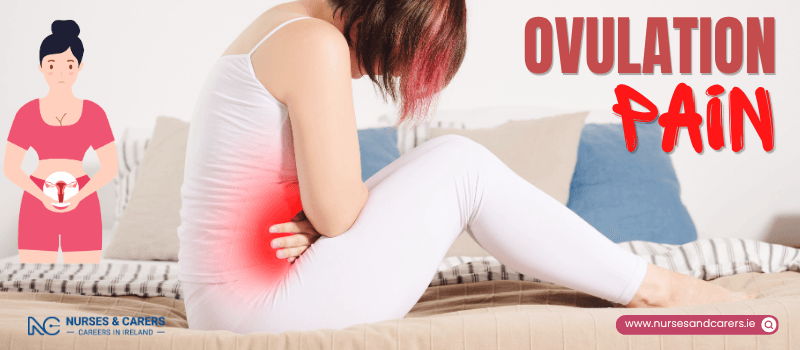
Ovulation pain—medically known as mittelschmerz—is a common and generally harmless occurrence linked to the menstrual cycle. It occurs when an ovary releases an egg, typically about 14 days before your period starts.
Symptoms and Presentation
Type of Pain: Can manifest as a dull, localized ache or a sharp, sudden twinge.
Location: Typically felt on only one side of the lower abdomen (tummy), alternating between the left and right side depending on which ovary is releasing the egg that month.
Duration: Can last for just a few minutes or persist continuously for 1 to 2 days.
Associated Signs: Some individuals notice a minor amount of light vaginal spotting or bleeding when ovulation occurs.
Potential Causes
Normal Physiological Process
The exact cause is not fully understood, but it is believed to occur when the maturing egg ruptures through the ovary wall. This rupture releases a tiny amount of fluid or blood that temporarily irritates the surrounding abdominal lining and nearby nerves.
Underlying Medical Conditions
While usually benign, persistent or severe pain can sometimes point to an underlying reproductive health issue:
Endometriosis: A chronic condition where tissue similar to the lining of the womb grows outside the uterus, causing localized inflammation and pain.
Pelvic Scar Tissue (Adhesions): Previous abdominal or pelvic surgeries can leave behind scar tissue that binds or restricts the ovaries and surrounding organs.
Ovarian Cysts: Fluid-filled sacs that can form during ovulation; while they frequently resolve on their own, they can cause localized discomfort.
Sexually Transmitted Infections (STIs): Untreated STIs like chlamydia can cause pelvic inflammatory disease, leading to internal inflammation and permanent scarring around the fallopian tubes.
Note: Several of these underlying conditions can impact long-term fertility if left untreated.
Easing Ovulation Pain at Home
Heat Therapy: Soaking in a warm bath or applying a heating pad to the lower abdomen can relax muscles and ease cramping.
Analgesics: Over-the-counter painkillers like paracetamol can help dull the pain.
Anti-inflammatories (NSAIDs): Non-steroidal anti-inflammatory drugs like ibuprofen are highly effective at reducing ovulation pain.
⚠️ Conception Warning: Do not take NSAIDs (like ibuprofen) if you are actively trying to get pregnant, as these medications can temporarily interfere with the structural process of ovulation.
Medical Prevention
If ovulation pain causes significant, recurring disruption to your monthly routine, your GP may suggest hormonal contraception (such as the combined contraceptive pill or the contraceptive implant). These methods work by completely suppressing ovulation, thereby eliminating ovulation pain entirely.
When to Seek Medical Help
Schedule a Non-Urgent GP Appointment if:
Your lower abdominal pain is severe, debilitating, or worsening.
You are anxious about underlying conditions like endometriosis or STIs.
Preparing for Your Doctor's Visit
To help your GP make an accurate assessment, maintain a detailed symptom diary for one or two cycles prior to your appointment. Be prepared to share:
The exact day of your menstrual cycle when the pain initiates.
The precise duration of the painful episodes.
Any other tracking metrics, such as companion spotting, unusual discharge, or pain during intercourse.
Disclaimer
The information provided here is for educational and informational purposes only. It does not constitute medical advice, diagnosis, or treatment. Always consult a qualified healthcare professional or your GP for specific medical concerns, diagnoses, or health advice. Never disregard professional medical advice or delay seeking it because of information you have read here.