
Peak Flow Test
17 Sept 2026 · 3 min read
On this page9 sections
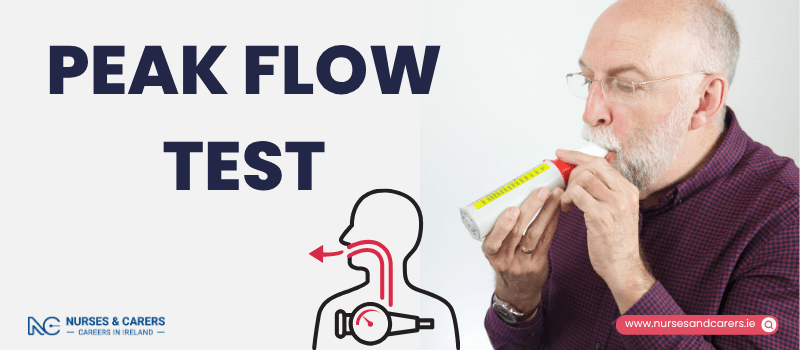
A peak flow test measures expiratory flow rate—the maximum speed at which you can forcefully exhale air from your lungs. This non-invasive test helps clinicians diagnose obstructive airway conditions and allows patients to track bronchial stability at home. The test is performed using a small, handheld mechanical device called a peak flow meter, which is available via prescription or over-the-counter at most pharmacies.
The Clinical Value of Peak Flow Monitoring
1. Supporting an Asthma Diagnosis
Measuring expiratory speed detects whether your bronchial passages are narrowed or inflamed. While a low score indicates restricted airflow, a peak flow test alone cannot finalize an asthma diagnosis; doctors typically pair it with advanced pulmonary function tests, such as spirometry.
2. Monitoring Existing Airway Disease
If you have been diagnosed with asthma, logging your peak flow scores provides an objective way to monitor your respiratory health. To do this effectively, you must first establish your personal best score—the highest reading achieved when you are physically well and entirely free of respiratory symptoms. Regular tracking helps you identify:
Early signs of airway deterioration before physical symptoms manifest.
The direct therapeutic efficacy of your preventer and reliever inhalers.
The structural onset of an acute asthma attack.
Specific environmental triggers, by measuring your score immediately before and after exposure to potential allergens.
Step-by-Step Testing Technique
To ensure accuracy, your GP or practice nurse will demonstrate the correct testing technique. Follow these steps carefully at home:
Posture: Assume a comfortable, fully upright position, either sitting straight or standing. Maintain the same posture for every test.
Reset the Device: Slide the plastic indicator arrow back to the baseline or zero marker on the measurement scale (typically marked at 60).
Grip: Hold the meter perfectly horizontal. Ensure your fingers do not obstruct the slider mechanism or cover the calibration scale.
Inhalation: Take a slow, maximum breath in, filling your lungs completely with air.
Seal: Immediately place the mouthpiece into your mouth. Close your lips tightly around it to form a flawless, airtight seal. Do not block the hole with your tongue.
Exhalation: Blow out into the device as fast and as hard as physically possible. Focus on a single, sharp blast of air rather than a prolonged breath.
Record: Note the number indicated by the slider arrow.
Replicate: Repeat this sequence exactly 3 times. The single highest reading among the three attempts is your official peak flow score for that session. Log this final score in a respiratory diary or chart.
Interpreting Your Results
Peak flow metrics are recorded in litres of air exhaled per minute (L/min). A healthy or "normal" baseline score varies naturally from person to person, determined by an individual's age, height, and biological sex.
A progressive decline or a sudden drop below your established personal best score indicates that your airways are narrowing, signaling poor condition control or an imminent asthma flare-up.
Managing Low Scores via Your Action Plan
If you manage asthma, your personalized Asthma Action Plan dictates exactly how to adjust your medications based on your current peak flow percentage:
PEAK FLOW ZONE MANAGEMENT | |
PERCENTAGE OF PERSONAL BEST | REQUIRED CLINICAL ACTION |
80% to 100% (Green Zone) | Safe range. Maintain standard maintenance preventer doses. |
50% to 80% (Yellow Zone) | Caution. Step up reliever inhaler use as prescribed. |
Less than 50% (Red Zone) | Medical Alert. Deploy rescue medication; seek emergency medical assistance. |
When to Seek Medical Advice
Contact Your GP or Practice Nurse if:
Your peak flow scores are consistently declining, and you are unsure how to adjust your inhaler dosages.
You have a confirmed asthma diagnosis but have never been issued a formal, written Asthma Action Plan.
Disclaimer
The information provided here is for educational and informational purposes only. It does not constitute medical advice, diagnosis, or treatment. Always consult a qualified healthcare professional or your GP for specific medical concerns, diagnoses, or health advice. Never disregard professional medical advice or delay seeking it because of information you have read here.