
Piles (Haemorrhoids)
17 Sept 2026 · 6 min read
On this page16 sections
Overview
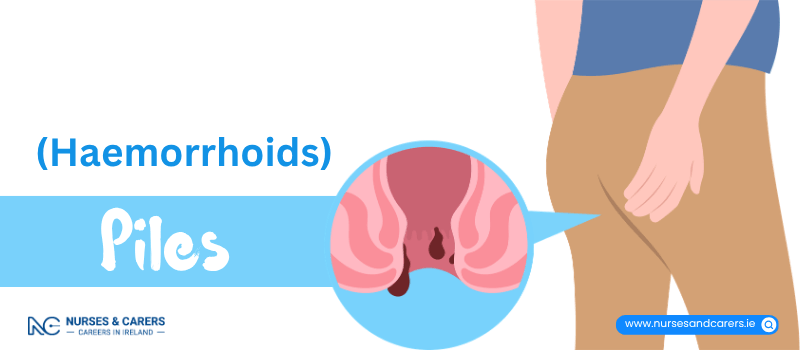
Piles, clinically known as haemorrhoids, are swollen, inflamed blood vessels located inside and around the rectum and anus. They are exceptionally common, particularly during pregnancy due to increased pelvic pressure. While mild cases typically resolve independently within a few days, conservative home care and medical interventions can significantly accelerate healing and prevent recurrence.
Symptoms of Haemorrhoids
Symptoms vary based on whether the swollen blood vessels are internal or external:
Rectal Bleeding: Excreting bright red, fresh blood on toilet tissue or in the bowl after a bowel movement.
Perianal Discomfort: Persistent itching, soreness, irritation, or sharp pain around the anus.
Physical Lumps: Feeling firm, sensitive, or painful lumps protruding from or surrounding the anal opening.
Altered Sensation: A distinct feeling of incomplete evacuation, making you feel like you still need to pass a stool immediately after using the toilet.
Discharge: Finding traces of slimy mucus in your underwear or on toilet paper after wiping.
Causes and Structural Risk Factors
Haemorrhoids develop when sustained pressure stretches and engorges the delicate vascular pads lining the anal canal. Primary mechanical triggers include:
Chronic constipation or chronic diarrhoea.
Excessive, forceful straining during bowel movements.
The physiological changes of pregnancy, combined with gestational constipation.
Frequent heavy lifting, which spikes intra-abdominal pressure.
Spending prolonged, unnecessary periods sitting on the toilet (such as scrolling on a phone).
Lifestyle Modifications and Home Relief
Do
Soften Stools: Drink large volumes of fluids daily and consume a high-fibre diet (fresh fruits, vegetables, whole grains) to ensure stools are bulky, soft, and glide through the canal without friction.
Maintain Gentle Hygiene: Cleanse the area gently. Wipe using damp toilet paper or unperfumed wet wipes instead of dry paper. Keep the perianal skin clean and dry.
Apply Cold Compresses: Rest an ice pack wrapped securely in a clean towel against the area for up to 20 minutes to constrict the swollen vessels and numb acute discomfort.
Take Warm Baths: Soak in a warm sitz bath or full bath to naturally relax the anal sphincter muscles and soothe intense itching.
Manual Reduction: If a internal pile prolapses (protrudes outward), use a clean finger to very gently push it back inside the anal canal.
Target Discomfort Safely: Use oral paracetamol to dull local pain. Maintain regular physical activity to stimulate natural intestinal transit.
Don't
Do Not Strain: Avoid pushing hard or forcing a bowel movement. Never ignore a natural urge to go, as delayed stools become dry and difficult to pass.
Avoid Harsh Friction: Never scrub or wipe the perianal skin aggressively after using the bathroom.
Avoid Specific Analgesics:
Do not take codeine-based painkillers, as codeine paralyzes gut mobility and directly causes severe constipation, rapidly worsening the condition.
Do not take ibuprofen if your piles are actively bleeding, as NSAIDs can interfere with blood clotting.
Guidance from Your Pharmacist
Your local pharmacist can provide private, confidential advice regarding over-the-counter treatments. Do not let embarrassment delay care. A pharmacist can supply:
Topical anaesthetic, anti-inflammatory, or astringent creams and suppositories to rapidly soothe localized pain, itching, and swelling.
Safe bulk-forming or osmotic laxatives and stool softeners to resolve constipation.
Specialized cold packs engineered for perianal application.
Clinical Triage and Action Plan
🩺 General Practice Review (Non-Urgent)
Schedule a GP appointment if:
You experience any new or unexplained bleeding from your bottom, to ensure the blood is originating from piles and not a secondary gastrointestinal issue.
Your symptoms fail to show any improvement after 7 consecutive days of rigorous home treatment.
You experience chronic, frequently recurring bouts of haemorrhoids.
⚠️ Urgent Clinical Evaluation
Request an urgent same-day GP review or visit an urgent care clinic if:
Your piles are accompanied by a high temperature, fever, shaking chills, or a general feeling of systemic illness.
You observe thick, yellowish pus or foul-smelling fluid leaking directly from your piles (indicating an active infection or abscess).
🚨 Immediate Emergency Care
Call 999, 112, or go to the nearest Emergency Department (ED) immediately if you experience:
Continuous, unresolvable bleeding from your rectum.
Heavy, high-volume bleeding—such as the entire toilet water turning deep red or passing large, dark blood clots.
Agonizing, unmanageable, and severe perianal pain.
Advanced Hospital Interventions
If lifestyle adjustments and prescription creams fail to resolve chronic or severe haemorrhoids, your GP will refer you to a specialist for advanced targeted treatments.
1. Non-Surgical Day Procedures
These minor outpatient procedures are performed under local numbing anaesthesia, allowing you to return home the same day:
Rubber Band Ligation: The specialist slips a tiny, tight elastic band around the base of the internal pile. This completely cuts off its blood supply, causing the tissue to naturally wither and drop off within a few days.
Sclerotherapy: Injecting a chemical solution directly into the haemorrhoid, which hardens the vessel wall, forces it to collapse, and causes it to shrink over time.
Electrotherapy: Delivering a highly precise, low-voltage electrical current into the pile to rapidly shrink the vascular tissue.
Infrared Coagulation: Using bursts of infrared light to coagulate the vessel's blood supply, forcing the haemorrhoid to scar and shrink.
2. Surgical Interventions
For severe, complex, or structurally prolapsed haemorrhoids, an operative procedure is performed under general anaesthesia, which may require a brief hospital stay:
Haemorrhoidectomy: The complete surgical excision and removal of the swollen external and internal vascular complexes.
Stapled Haemorrhoidopexy: Utilizing a specialized circular stapling device to lift the prolapsed tissue and mechanically anchor the internal piles back into their normal anatomical position.
Haemorrhoidal Artery Ligation (HAL): Using localized ultrasound guidance to precisely identify the primary arteries supplying the piles, then applying micro-sutures to tie them off, forcing the tissue to collapse.
Special Considerations for Pregnancy
Gestational haemorrhoids are highly common due to progesterone relaxing vessel walls and the heavy weight of the growing uterus compressing the inferior vena cava.
Preventive Hydration: Drink at least 2 extra glasses of water per day beyond standard recommendations to maintain hydration.
Clinical Softeners: If dietary fibre additions fail to prevent hard stools, do not self-medicate with random laxatives. Ask your midwife, obstetrician, or GP to prescribe a pregnancy-safe, clinical stool softener to eliminate the need for straining.
Disclaimer
The information provided here is for educational and informational purposes only. It does not constitute medical advice, diagnosis, or treatment. Always consult a qualified healthcare professional or your GP for specific medical concerns, diagnoses, or health advice. Never disregard professional medical advice or delay seeking it because of information you have read here.