
Pilonidal Sinus
17 Sept 2026 · 6 min read
On this page18 sections
Overview
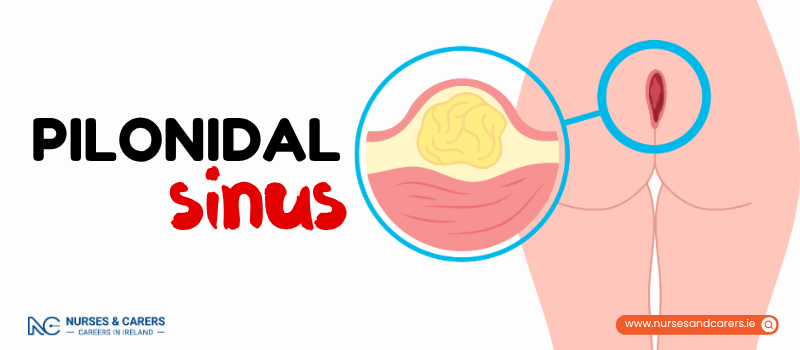
A pilonidal sinus is a small tract or tunnel in the skin located in the natal cleft—the vertical division at the top of the buttocks. It develops when loose hairs puncture the skin and become deeply embedded, triggering a localized foreign-body reaction. A asymptomatic pilonidal sinus is harmless and does not require medical intervention; treatment is initiated only if the tract becomes acute or chronically infected.
Identifying an Infected Pilonidal Sinus
Most individuals are completely unaware they have a pilonidal sinus until bacteria invade the tract. Once an infection establishes, it can progress rapidly over a few days, presenting with:
Acute, throbbing pain and localized swelling at the top of the buttocks.
The formation of a tense, highly sensitive, pus-filled lump (abscess).
Severe physical discomfort that makes sitting down or lying on your back difficult.
Chronic Presentation: If left unresolved or if it repeatedly flares up, the sinus can cause persistent, long-term discomfort, punctuated by the regular seeping of foul-smelling pus, clear fluid, or blood.
Non-Infected Care and Surveillance
If your pilonidal sinus is completely free of pain, swelling, or drainage, a standard "watch and wait" clinical approach is recommended.
Hygiene Protocol: Wash the natal cleft daily during regular showers or baths to prevent bacteria and skin debris from gathering in the tract.
⚠️ Direct Restriction: Do not shave or blade the affected area unless explicitly instructed to do so by your GP. Aggressive shaving can create microscopic skin nicks and sharp, stubbly hair shafts that are more likely to burrow into the cleft, directly provoking an acute infection.
Clinical Treatment and Surgical Options
If the sinus becomes infected, treatment is mandatory. The chosen medical or surgical path depends on your immediate symptoms, the size of the abscess, and whether this is an isolated event or a chronic recurrence.
1. Incision and Drainage (Acute Abscess Treatment)
This minor, urgent operation is performed in a hospital setting to immediately relieve pressure and clear an active infection.
The Procedure: Under local or general anaesthesia (determined by the size and depth of the mass), the surgeon makes a small incision into the abscess to completely drain the trapped pus.
Recovery and Aftercare: You can typically return home the same day. Full physical healing takes 4 to 6 weeks. The hospital nursing team will teach you how to perform daily packing and dressing changes to ensure the cavity heals cleanly from the base upward.
2. Definitive Surgical Procedures (For Chronic or Large Sinuses)
If the pilonidal sinus repeatedly becomes infected, bleeds, or discharges fluid, your GP will refer you for a planned surgical excision:
Local Excision and Open Healing
Mechanism: The surgeon completely excises the entire sinus tract along with a margin of the surrounding affected skin. The wound is deliberately left wide open rather than sutured shut.
Anesthetic & Stay: Performed under general anaesthesia as a day-case procedure.
Healing Time: Complete recovery requires 6 to 12 weeks of meticulous daily nursing care and dressing packing to allow the tissue to granulate naturally. There is a documented 10% to 20% statistical chance of the sinus recurring over time.
Minimally Invasive Surgery (Video-Assisted Ablation)
Mechanism: The surgeon inserts an ultra-thin camera (endoscope) into the tract to precisely map, clean, and debride the interior walls from the inside. A temporary physical drain is placed to exit remaining fluids.
Anesthetic & Stay: Executed under local anaesthesia. It yields minimal surface scarring and lower post-operative pain, though temporary minor bleeding or discomfort can occur. The drain is removed once active infection signals clear.
Flap Reconstruction Surgery
Mechanism: For complex, extensive, or deeply tracking disease, a plastic surgeon completely removes the infected tissue matrix and structurally translocates a flap of healthy skin and muscle from an adjacent area to close the defect. This shifts the scar away from the midline of the natal cleft, minimizing future hair entrapment.
Post-Operative Recovery Guidelines
Do
Keep the perianal and natal cleft regions meticulously clean and dry.
Wear loose-fitting, breathable, comfortable cotton underwear to prevent friction and moisture build-up.
Consume a high-fibre diet and maintain excellent hydration to keep your stools soft, preventing straining during bowel movements.
Don't
Avoid Exertion: Do not lift heavy objects, engage in strenuous gym workouts, or perform intense stretching for the first week or two.
Avoid Cycling: Strictly avoid riding a bicycle for 6 to 8 weeks post-operation to prevent shearing forces from tearing open the healing tissue.
Avoid Swimming: Do not go swimming or submerge the wound in pools or open water until the skin surface has completely and solidly closed.
Note: Most individuals can safely return to work within 2 weeks of surgery. However, your exact timeline will vary based on the depth of the procedure and how much sitting your job requires.
Root Causes and Long-Term Prevention
Why It Happens
The precise systemic cause remains unclear, but it is heavily driven by friction and pressure pushing loose hairs into the skin folds. Hairs shedding naturally from your head or upper back can slide down, become trapped in the deep natal cleft, and act like a needle under the pressure of movement. The condition is significantly more prevalent in men due to higher baseline body hair densities. Prolonged, occupational sitting (such as long-distance driving or desk-bound roles) also increases the risk.
Prevention Checklist
To successfully prevent a secondary infection or recurrence, build these habits into your routine:
Maintain Meticulous Hygiene: Shower or bathe daily, paying close attention to cleansing the cleft.
Explore Laser Hair Removal: If recommended by your doctor, prioritize long-term hair removal. Laser hair removal is highly effective because it permanently thins and weakens the hair follicles, drastically lowering recurrence rates compared to shaving.
Tobacco Cessation: Seek support to stop smoking completely. Tobacco use restricts microvascular blood flow, which significantly delays skin healing and increases your vulnerability to surgical site infections.
When to Seek Medical Attention
Request an Urgent GP Appointment if:
You notice sudden, escalating pain, localized swelling, or a hot, throbbing sensation at the top of your bottom between your buttocks. These symptoms can intensify rapidly over a few days and indicate an active, developing infection that requires immediate antibiotic or surgical evaluation.
Disclaimer
The information provided here is for educational and informational purposes only. It does not constitute medical advice, diagnosis, or treatment. Always consult a qualified healthcare professional or your GP for specific medical concerns, diagnoses, or health advice. Never disregard professional medical advice or delay seeking it because of information you have read here.