
Pityriasis Versicolor
17 Sept 2026 · 5 min read
On this page21 sections
Overview
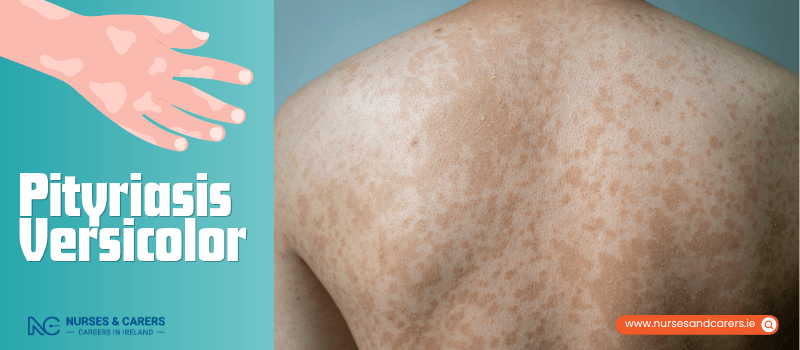
Pityriasis versicolor—also known as tinea versicolor—is a common, superficial fungal infection of the skin. It causes small, distinct patches of skin to become scaly, flaky, and discoloured. The condition is entirely benign, non-contagious, and unrelated to personal hygiene. Because the causative organism is already universally present on human skin, it cannot be transmitted from person to person.
Symptoms and Presentation
The primary indicator of pityriasis versicolor is the gradual development of flat, irregular skin patches that contrast with your natural skin tone.
Discolouration Patterns: The patches can present as lighter (hypopigmented) or darker (hyperpigmented) than your surrounding skin. They can also appear red, pink, or deep brown.
Progression: These lesions develop slowly and can eventually merge over time to form large, continuous sheets of discoloured skin.
Anatomical Distribution: The infection thrives in areas with high sebaceous (oil) gland densities, most commonly affecting the:
Upper back and chest.
Upper arms.
Neck and shoulders.
Abdomen (tummy).
Sensory Features: While the condition is medically harmless and frequently painless, the scaly patches can occasionally cause mild to moderate itching.
Causes and Biochemical Triggers
Pityriasis versicolor is caused by an overgrowth of Malassezia, a genus of lipophilic (fat-loving) yeast that naturally resides as part of the normal microflora on healthy human skin. The infection only manifests when environmental or physiological shifts cause this yeast to multiply rapidly.
Systemic Risk Factors
Your biological susceptibility to a Malassezia overgrowth increases significantly if you encounter:
High humidity or prolonged stays in a warm, moist climate (including humid summer months).
Excessive, chronic sweating (hyperhidrosis).
Occlusive body creams, tight dressings, or synthetic clothing that trap sweat and prevent the skin from breathing.
Systemic malnutrition or underlying nutritional deficiencies.
A compromised or weakened immune system.
Age-related shifts in sebum production, with the infection peaking prominently in teenagers and young adults in their early 20s.
Differential Diagnosis: Pityriasis Versicolor vs. Vitiligo
Pityriasis versicolor is frequently confused with vitiligo, as both dermatological conditions present with patchy skin discolouration. However, they are driven by entirely different pathological mechanisms and can be distinguished by specific clinical markers:
Clinical Feature | Pityriasis Versicolor | Vitiligo |
|---|---|---|
Pathology | Superficial fungal overgrowth. | Autoimmune destruction of melanocytes. |
Symmetry | Asymmetric; does not affect both sides evenly. | Symmetric; often develops bilaterally at the same time. |
Skin Texture | Surface is distinctly scaly, dry, or flaky. | Surface texture remains completely normal and smooth. |
Primary Locations | Upper back, chest, arms, neck, and abdomen. | Around the mouth, eyes, fingers, wrists, armpits, and groin. |
Evidence-Based Treatment Options
Pityriasis versicolor rarely resolves without intervention. A GP can confirm the diagnosis through a physical examination and outline a targeted course of antifungal treatments.
1. Topical Antifungal Shampoos
This is the frontline, standard treatment approach for widespread or moderate outbreaks, available over-the-counter or via prescription (e.g., ketoconazole or selenium sulfide shampoos).
Application Protocol: Dilute the shampoo with a small amount of water, lather it generously over the entire affected torso and neck, and leave it bound to the skin for 5 to 10 minutes before rinsing it off completely in the shower. Repeat this sequence once daily for 5 to 7 consecutive days.
Side Effects: Minor, temporary localized skin dryness or mild skin irritation can occur during the treatment window.
2. Localised Antifungal Creams
If the fungal patches are strictly isolated to a few small, discrete zones of skin, your doctor may recommend a topical antifungal cream (such as clotrimazole or econazole). These preparations must be applied directly to the lesions once or twice daily for several weeks.
3. Systemic Antifungal Tablets
For severe, extensive, or deeply tracking infections, or cases that resist topical shampoos and creams, your GP may prescribe a course of oral antifungal tablets (such as itraconazole). These are typically taken once daily for a duration of 1 to 4 weeks.
Side Effects: While oral antifungals are generally well-tolerated, rare side effects include a temporary drug rash, mild nausea, and transient abdominal pain.
Post-Treatment Recovery and Managing Recurrence
Skin Colour Recovery Timeline
It is clinically important to note that successful eradication of the fungus does not instantly restore your normal skin colour. It routinely takes several weeks or months for your skin's pigment cells (melanocytes) to regenerate and even out your skin tone. Persistent discolouration immediately after finishing an antifungal course indicates a delayed pigment recovery, not a treatment failure.
Managing Chronic Recurrences
Pityriasis versicolor carries an exceptionally high rate of recurrence, particularly when traveling to humid tropical countries or during warm summer seasons. If the infection returns frequently, your medical team will introduce preventative management strategies:
Proactive Maintenance Shampoos: Utilizing your antifungal shampoo as a body wash once every two to four weeks to suppress the Malassezia population before it can multiply.
Proactive Maintenance Tablets: For severe, stubborn cases, your GP may prescribe low-dose antifungal tablets to take a few times a month as a long-term preventative measure.
Specialist Review: If the condition remains highly resistant to preventative therapies, your GP will refer you to a dermatologist for advanced assessment.
Disclaimer
The information provided here is for educational and informational purposes only. It does not constitute medical advice, diagnosis, or treatment. Always consult a qualified healthcare professional or your GP for specific medical concerns, diagnoses, or health advice. Never disregard professional medical advice or delay seeking it because of information you have read here.