
Pityriasis Rosea
17 Sept 2026 · 4 min read
On this page14 sections
Overview
Pityriasis rosea is a common, self-limiting inflammatory skin condition characterized by a temporary outbreak of raised, oval, scaly plaques on the body. While it can affect individuals of any age group, it manifests most frequently in older children, teenagers, and young adults between the ages of 10 and 35. The condition is entirely benign, non-contagious, and cannot be transmitted to other people through direct physical contact.
Symptom Progression and Clinical Presentation
1. The Prodromal Phase (Flu-Like Symptoms)
Many individuals experience a mild prodrome—a cluster of systemic, viral-like symptoms—a few days before any visible skin changes occur. These early signs include:
Mild joint pain or aching.
A low-grade fever or high temperature of 38°C (100.4°F) or above.
A persistent headache.
A mild cough and a sore throat.
2. Stage 1: The Herald Patch
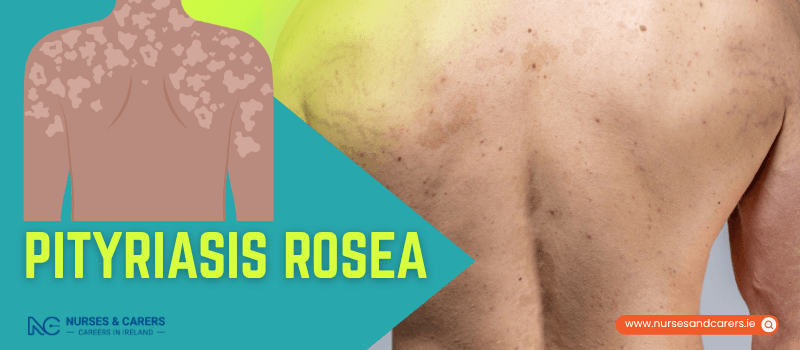
The initial dermatological indicator of the condition is the appearance of a single, isolated primary plaque known as a herald patch.
Dimensions and Location: Typically measures 2cm to 5cm in diameter. It manifests most commonly on the abdomen, chest, back, or neck, though it can occasionally form on the scalp, face, or groin.
Appearance by Skin Tone: On white skin, the patch presents as a pink or red oval lesion with a distinct, slightly raised border and a scaly surface. On brown or black skin, it manifests as a muted grey, dark brown, or black scaly plaque.
3. Stage 2: The Widespread Secondary Eruption
A few days to several weeks after the herald patch establishes, a secondary, more generalized rash erupts across the body, classically multiplying over a 2-week period and lasting up to 10 weeks total.
Distribution: The secondary lesions typically align along the natural skin cleavage lines of the back and torso, creating a characteristic "Christmas tree" pattern. The rash can migrate down the upper arms and thighs but rarely affects the face in adults.
Characteristics: The spots are small, raised, oval, and scaly. While the rash is not physically painful, it can cause mild to intense itching. On darker skin tones, these secondary plaques may be much easier to identify by touch (feeling the raised texture) than by sight.
Differential Diagnosis and Staging
Because the lesions can closely replicate other common dermatological conditions, you should avoid self-diagnosing. A GP must rule out alternative underlying issues, including:
Ringworm (Tinea Corporis): A fungal infection that can mimic the single, round appearance of the initial herald patch.
Pityriasis Versicolor: A superficial fungal overgrowth causing shifting patches of skin discoloration.
Psoriasis or Eczema: Chronic inflammatory skin disorders that produce scaly, dry, or red patches.
Clinical Management and Therapeutic Protocols
Pityriasis rosea is a self-limiting condition that resolves naturally without active medical intervention, usually clearing completely within 2 to 12 weeks. The rash may briefly intensify or appear to worsen before it begins to permanently fade.
As the lesions heal, they leave behind temporary areas of darker hyperpigmentation or lighter hypigmentation. The visibility of these changes depends on your natural skin tone. These variations are a normal part of the skin's healing process, do not cause permanent scarring, and naturally fade back to your baseline skin color within a few months.
1. Over-the-Counter Symptom Mitigation
If the rash is itchy, uncomfortably dry, or irritated, a pharmacist can recommend topical treatments to calm the skin:
Soap Substitutes: Completely eliminate perfumed soaps, harsh shower gels, and heavily scented body washes, as they strip the skin barrier and worsen itching. Use plain warm water or soap-free emollient washes.
Emollient Therapy: Apply generous amounts of unperfumed moisturizing creams, ointments, or lotions throughout the day to soothe dry, scaly plaques.
Oral Antihistamines: Take over-the-counter non-sedating or sedating antihistamine tablets to help block the internal chemical pathways driving the itch reflex.
2. Advanced Prescription Therapies
If over-the-counter treatments fail to soothe the skin, or if you are managing a severe, widespread case of pityriasis rosea, your GP may introduce stronger clinical therapies or refer you to a dermatologist (skin specialist):
Topical Corticosteroids: Prescribing medium-strength steroid creams or ointments to apply directly to the most inflamed, itchy patches for a restricted timeframe.
Phototherapy (UVB Light Therapy): If the rash resists topical treatments, a specialist may recommend a course of precisely calibrated Ultraviolet B (UVB) light sessions. Administered in a hospital dermatology unit, phototherapy can safely accelerate the clearance of widespread lesions.
When to Seek Medical Attention
Schedule a Non-Urgent GP Appointment if:
You develop an unexplained, expanding, or highly itchy rash on your body so a doctor can confirm the diagnosis.
🤰 Gestational Safety Warning
While pityriasis rosea is entirely harmless for the general public, clinical data indicates it can elevate the risk of pregnancy complications (such as premature birth or miscarriage) if contracted during the early stages of gestation (the first trimester). Contact your midwife or obstetrician immediately if you are pregnant and suspect you are developing this rash.
Disclaimer
The information provided here is for educational and informational purposes only. It does not constitute medical advice, diagnosis, or treatment. Always consult a qualified healthcare professional or your GP for specific medical concerns, diagnoses, or health advice. Never disregard professional medical advice or delay seeking it because of information you have read here.