
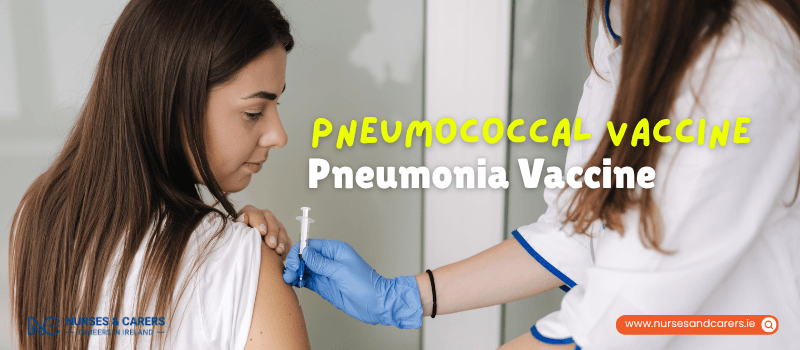
Pneumococcal Vaccine (Pneumonia Vaccine)
17 Sept 2026 · 3 min read
On this page12 sections
Overview
The pneumococcal vaccine—commonly referred to as the pneumonia vaccine—provides critical immunological protection against pneumococcal disease. This bacterial infection is caused by Streptococcus pneumoniae and can rapidly escalate into life-threatening conditions, including:
Pneumonia: Severe infection and inflammation of the lungs.
Sepsis: A systemic, life-threatening immune response to an infection in the bloodstream.
Meningitis: Acute inflammation of the protective membranes covering the brain and spinal cord.
Note: The specific vaccine utilized for adults and older children in clinical at-risk categories is called the PPV23 vaccine(Pneumococcal Polysaccharide Vaccine). A separate, distinct pneumococcal conjugate vaccine is administered routinely to infants as part of the childhood immunization schedule.
Vaccine Eligibility and Cost Framework
In Ireland, the PPV23 vaccine and its clinical administration are provided completely free of charge through public health frameworks for specific demographics:
1. Via Your GP Clinic
The vaccine is available for free if you are:
Aged 65 years or older.
Aged 2 years or older and diagnosed with an underlying medical condition that places you in a high-risk clinical category.
2. Via Your Community Pharmacy
The vaccine is available for free if you are:
Aged 65 years or older.
Administration Note: The pharmacist's consultation fee is fully covered if you hold a valid Medical Card or GP Visit Card.
3. Concurrent Immunization
It is completely safe to receive your pneumococcal vaccine during the same appointment as your annual flu vaccine or your scheduled COVID-19 booster. Co-administration does not lower the efficacy of any of the vaccines.
Mechanism of Action
The PPV23 vaccine contains purified capsular polysaccharides from 23 common strains of the bacteria. Because it contains no live bacteria, it is physically impossible to contract pneumococcal disease from the vaccine.
Upon injection, the vaccine stimulates your immune system to synthesize specialized antibodies. If you encounter the actual live bacteria in the future, these antibodies immediately recognize, attack, and neutralize the pathogen before it can cause severe systemic illness.
Administration Frequency Guidelines
Aged 65 and Older: You only require a single, one-off dose of the vaccine to secure long-term protection. No routine boosters are needed past this age.
Aged Under 65 (In an At-Risk Group): Depending on your specific underlying medical condition, you may require two distinct doses administered a minimum of 5 years apart. Speak with your GP to map your exact booster timeline.
Clinical Contraindications and Safety Triage
The pneumococcal vaccine has an excellent safety profile and is highly recommended for eligible individuals. However, strict clinical boundaries apply:
Healthy Demographics: The PPV23 vaccine is explicitly not recommended for healthy children or adults under the age of 65, as their baseline statistical risk of contracting severe invasive pneumococcal disease is exceptionally low.
Anaphylaxis Warning: Do not receive the vaccine if you have previously experienced a severe, life-threatening allergic reaction (anaphylaxis) to a prior dose of a pneumococcal vaccine or to any trace ingredient contained within the injection fluid.
Acute Illness Deferral: If you or your child are currently running a high temperature, experiencing a fever, or feel too physically unwell to perform your normal daily routines, postpone your vaccination appointment until you have completely recovered. A minor cold without a fever does not require deferral.
Managing Potential Side Effects
Most side effects are mild, localized, and resolve independently within a couple of days as your immune system responds to the injection.
Localized and Systemic Reactions
Pain, tenderness, swelling, or heat at the precise site of the injection. On lighter skin tones, this may present with visible redness.
Mild to moderate headaches.
General generalized muscle aches (myalgia).
Temporary fatigue or tiredness.
Safety Profile: Severe systemic allergic reactions are extraordinarily rare, and no other long-term serious adverse events are linked to this vaccine.
Disclaimer
The information provided here is for educational and informational purposes only. It does not constitute medical advice, diagnosis, or treatment. Always consult a qualified healthcare professional or your GP for specific medical concerns, diagnoses, or health advice. Never disregard professional medical advice or delay seeking it because of information you have read here.