
Postnatal Depression
18 Sept 2026 · 14 min read
On this page25 sections
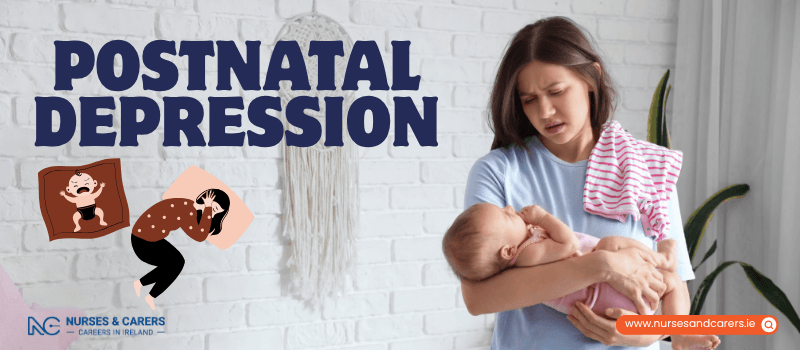
Perinatal depression is an umbrella term for depression that occurs during pregnancy or at any point within the first year after giving birth. When it occurs specifically after childbirth, it is known as postnatal depression (PND).
Key Facts About Postnatal Depression
Timeline and Onset: Symptoms can develop gradually or appear very suddenly. They often begin as the "baby blues"—a common, short-lived mood dip—but instead of fading, the symptoms worsen and persist.
Duration: Postnatal depression typically lasts for a number of months. If left untreated, however, it can persist much longer. Seeking early recognition, diagnosis, and treatment significantly accelerates recovery.
Prevalence: Perinatal and postnatal depression are common, affecting 10% to 15% of women. It is far more common than postpartum psychosis, which is a much rarer and more severe condition
Postnatal depression (PND) presents through a wide range of emotional, physical, and psychological symptoms that vary in severity. Recognizing these signs early allows you to access effective treatments, most of which are delivered at home so you can stay with your baby.
Signs & Symptoms of Postnatal Depression
Emotional & Mood Changes: Feeling persistently sad, anxious, alone, guilty, irritable, or angry. You may also experience panic attacks or cry easily.
Daily Functioning & Physical Signs: Constant exhaustion, sleep disturbances (even when the baby sleeps), loss of appetite, poor concentration, and feeling agitated.
Bonding & Social Withdrawal: Losing interest in being around people, feeling rejected by your baby, or struggling to enjoy being with them.
Overwhelming Thoughts: Feeling inadequate, worrying excessively about your baby's health, or experiencing intrusive fears (such as the baby dying).
Distressing Thoughts: Some mothers experience recurring thoughts about harming their baby. Please know that very few mothers ever act on these thoughts, but they are a clear sign that you need support.
When and Where to Get Help
Do not let anxiety or guilt about your thoughts stop you from seeking medical care.
🚨 URGENT MEDICAL HELP
Contact your GP, midwife, or Public Health Nurse (PHN) immediately if:
• You have thoughts of harming yourself or your baby. If you cannot get an urgent appointment, go straight to your nearest hospital Emergency Department (ED).
Non-Urgent Support: Contact your GP or PHN if your symptoms have lasted for more than 2 weeks. They can refer you to a local perinatal mental health service or outline available supports at your maternity hospital.
Listening to Loved Ones: Family and friends often notice changes before you do. If they express concern, take it seriously and contact a healthcare professional.
Screening and Next Steps
Public Health Nurses routinely carry out postnatal depression screenings, typically during your first visit after birth. Depending on the results, they may schedule a follow-up screening and connect you with local support groups and resources. If you feel worried about your mental health at any point, you can book an appointment directly with your GP.
Postnatal depression (PND) is rarely caused by a single factor. Instead, it is usually triggered by a combination of biological, psychological, and social elements working together. Understanding these causes can help you recognize your risks and seek support without feeling like you have failed.
Key Factors Contributing to Postnatal Depression
Personal Mental Health History: You have a higher risk of developing PND if you have a personal history of depression, anxiety, or if you experienced depression during a previous pregnancy.
Biological & Hormonal Changes:
Hormone Drops: Your hormone levels spike during the third trimester and drop rapidly immediately after birth. Ongoing research suggests some women are highly sensitive to this sudden shift.
Thyroid Function: Some women develop low thyroid hormones after birth, which directly causes low mood. Treating the thyroid imbalance often improves these symptoms.
Sleep Deprivation & Lifestyle Shifts: Meeting the constant demands of feeding, bathing, and soothing a newborn leads to severe sleep loss. The sudden loss of personal freedom and routine can create a profound sense of grief and adjustment difficulties.
Relationship Strain & Social Support: A new baby completely alters your dynamics with your partner, family, and friends, which can cause significant relationship tension. Navigating this without a strong, reliable support network increases your vulnerability to depression.
Stressful Life Events: Experiencing recent trauma, a bereavement, serious illness, work difficulties, or financial pressure means your stress levels were already high before the baby arrived.
Unrealistic Images of Motherhood: Media and online images often portray new mothers as effortlessly energetic and living in perfect homes. This creates a false expectation that mothering is entirely instinctive rather than a skill learned over time. When reality does not match these images, it can lead to intense feelings of isolation, guilt, and failure.
When to Take Action
ℹ️ NON-URGENT ADVICE
Contact your GP or Public Health Nurse (PHN) if:
• You are feeling overwhelmed, isolated, or unable to cope.
If you are currently pregnant and have a history of depression, mention this to your GP or midwife as early as possible so a support plan can be put in place.
Remember: It is vital to talk to someone. If you are not ready to speak to a healthcare professional yet, opening up to a trusted family member or a close friend is a highly effective first step.
With the right treatment and professional support, most women make a full recovery from postnatal depression. The vast majority of mothers are treated safely at home alongside their baby. Treatment plans are tailored to your needs and often combine self-care, talking therapies, and medication.
1. Professional Support and Counselling
Psychological support—such as psychotherapy, counselling, or talking therapy—helps you make sense of your emotions and develop healthy coping mechanisms.
Mild to Moderate Depression: Counselling alone is often highly effective.
Severe Depression: Talking therapy works best when combined with medication.
Accessing Care: Your GP can refer you to free public services, including Counselling in Primary Care (CIPC), Primary Care Psychology Services, or specialized perinatal mental health services if available at your maternity hospital.
Private Options: If opting for private therapy, ensure the practitioner is registered with the Irish Association for Counselling and Psychotherapy (IACP) at iacp.ie.
2. Medication (Antidepressants)
Doctors may prescribe antidepressants to help regulate your mood. When taken correctly under medical supervision, antidepressants are not addictive.
Breastfeeding Safety: If you are breastfeeding, tell your doctor. They can prescribe specific medications that are completely safe for your baby.
Timeline: Antidepressants do not work instantly. They typically take 2 to 4 weeks to fully take effect, though you may notice a slight improvement after 2 weeks. Speak to your GP if you feel they are not working.
Preventing Relapse: To ensure a stable recovery, you will usually need to continue taking the medication for up to 6 months after your symptoms have completely lifted.
3. Things You Can Do Yourself
Reconnecting with your personal identity and reintroducing small activities you enjoyed before motherhood can significantly accelerate your recovery. Self-care acts as a powerful foundation, whether you are also using therapy, medication, or both.
💡 ESSENTIAL ADVICE
Do not let distressing or worrying thoughts about your baby stop you from asking for help. Healthcare professionals understand these symptoms and are there to support you, not judge you.
If you think you may be experiencing postnatal depression, ask for help early. The sooner you get help, the better you will feel.
Talk to your partner, family and friends. Talk to your GP or public health nurse (PHN).
Be open about your feelings. This will help others understand what you need.
Believe that you will get better
Postnatal depression can be managed with treatment. Trust that you will feel like yourself again.
Eat well and be active
Eat nutritious food and get physically active. This improves mental health. You don’t have to do demanding exercise. Even going for a walk daily will help. Choose nutritious foods that are not difficult to cook.
Ask family and friends to help you
Do not put too much pressure on yourself with housework and other chores. You may need to scale back other activities to focus on you and your baby.
Do not be afraid to ask for help. Ask people you trust to help you with practical things such as housework. Accept genuine offers to babysit and get out for a meal, the cinema or to visit friends.
Take every opportunity to rest
Try to sleep while your baby is sleeping. If you are breastfeeding, your partner or a friend can give your baby a feed using expressed breast milk.
Find time for yourself
Organise a daily treat. It could be a walk in the park, a workout, or a coffee and chat with friends.
Spend time with people who care for you
Don't blame yourself or others. Set time aside for relaxing with your partner, family and friends. A kiss and a cuddle from your partner can be comforting, even if you don't feel like sex.
Meet other mothers
Find out what support networks are available in your area. These include mother-to-mother support groups, baby and toddler groups and Cuidiú-Irish Childbirth Trust groups.
Mothers in a similar situation can give you emotional and practical support. Your public health nurse may be able to give you details of support groups in your area. You can also find details online, in a local newspaper or at your library.
Perinatal mental health services
Perinatal mental health services are available in some maternity units and hospitals. They provide specialist support to women experiencing mental health problems in pregnancy.
Your GP, midwife, doctor or psychiatrist can refer you to the service.
Support groups
Samaritans
24hr listening service
Phone: 116 123
www.samaritans.org
Parentline
Phone: 01 873 3500
www.parentline.ie
Cuidiú-Irish Childbirth Trust
Phone: 01 872 4501
www.cuidiu-ict.ie
Aware
Phone: 1800 80 48 48
www.aware.ie
Grow
Phone: 0818 474 474
www.grow.ie
Supporting a loved one through postnatal depression (PND) can be deeply worrying, but your presence, patience, and practical help are vital to their recovery. At the same time, navigating this transition is highly stressful, making it equally important to monitor and protect your own mental well-being.
How to Support Your Loved One
Provide Emotional Validation: Create a safe space for her to express her true feelings. Listen with genuine empathy without offering criticism, judgment, or unsolicited fixes. Remind her consistently that she is a great mother and is doing a wonderful job.
Facilitate Healthcare and Appointments: Familiarize yourself with the common signs and symptoms of PND. Gently encourage her to speak with her GP, public health nurse (PHN), or therapist, and offer to accompany her to appointments for support.
Coordinate Rest and Nutrition: Actively ensure she is eating nutritious meals and getting opportunities to rest. Step in by taking the baby out for a walk to give her a quiet block of time to sleep or recharge.
Manage Social and Home Pressures: Keep household stress low by asking trusted family and friends to help with practical tasks like cooking meals, doing laundry, or babysitting. If she feels overwhelmed, actively limit the number of visitors to the house.
Encourage Gentle Activity and Connection: Suggest going for short walks together to get moving. Plan low-pressure activities as a couple away from the baby, and look up local mother-and-baby or support groups to encourage her to connect with peers.
Taking Care of Yourself
Supporting an unwell partner while caring for a newborn is exhausting. You cannot pour from an empty cup, and you deserve a break too. Find a trusted friend, family member, or professional to talk to, and carve out designated time for your own self-care.
⚠️ PARTNER MENTAL HEALTH ALERT
Research indicates that up to 1 in 10 partners experience depression themselves after the birth of a child.
If you have been feeling persistently down, anxious, overwhelmed, or depressed for more than 2 weeks, schedule an appointment with your GP to get support.
When to Seek Advice
For Supporting Her: Contact your local Public Health Nurse or GP if you need professional guidance, information, or resources on how to best help someone managing postnatal depression.
For Supporting Yourself: Speak to your GP if the stress of the situation is altering your own mood, sleep, or ability to cope.
Postpartum psychosis (also known as postnatal or puerperal psychosis) is a rare but severe and serious mental illness. It affects approximately 1 in 500 women after childbirth and requires immediate medical attention.
The condition often begins completely "out of the blue," even in women with no prior history of mental health difficulties.
Who is Most at Risk?
Your risk of developing postpartum psychosis is significantly higher if you have:
A personal history of postpartum psychosis in a previous pregnancy
A diagnosis of bipolar disorder
A close relative (such as a mother or sister) who has bipolar disorder
Signs & Symptoms
Symptoms begin suddenly, usually within the first 2 to 3 days after giving birth, though they can develop anytime within the first few weeks. A woman may experience extreme highs (mania), deep lows (depression), or a rapid mix of both.
Watch for the following symptoms, especially if they represent a total change in character:
Behavioral & Cognitive Shifts: Racing thoughts, speaking very rapidly, being unusually active or talkative, extreme restlessness, or severe confusion.
Sleep & Appetite Changes: Finding it very hard to sleep, having no desire to sleep at all, or experiencing a complete loss of appetite.
Altered Reality: Experiencing delusions (strong beliefs in things that are not true) or hallucinations (seeing, hearing, smelling, or feeling things that are not actually there).
Emotional Swings: Feeling "on top of the world" one moment, then becoming highly tearful, anxious, irritable, suspicious, fearful, or entirely withdrawn.
Safety Risks: Thoughts of harming oneself or the baby.
Emergency Action Required
Postpartum psychosis is a medical emergency. Because women experiencing psychosis often do not realize they are unwell, partners, family members, or friends must be prepared to seek help on their behalf.
🚨 EMERGENCY MEDICAL HELP
If you suspect postpartum psychosis in yourself or a loved one, contact your GP, midwife, Public Health Nurse (PHN), or local mental health service urgently.
Ask them to arrange an immediate, rapid assessment by the HSE Mental Health Services.
If you cannot secure an urgent appointment immediately, go straight to the nearest hospital Emergency Department (ED).
Treatment and Recovery
With rapid professional intervention, women can make a full and lasting recovery.
Immediate Care: Treatment usually begins with medications like antipsychotics or mood stabilizers to balance brain chemistry. Admission to a hospital is often necessary to ensure the safety of both mother and baby.
Follow-Up Support: Once the acute symptoms improve, care transitions to talking therapies, specialized support from a perinatal mental health service, and dedicated guidance to assist with mother-and-baby bonding.
Disclaimer
The information provided here is for educational and informational purposes only. It does not constitute medical advice, diagnosis, or treatment. Always consult a qualified healthcare professional or your GP for specific medical concerns, diagnoses, or health advice. Never disregard professional medical advice or delay seeking it because of information you have read here.