
Raynaud's
17 Sept 2026 · 3 min read
On this page10 sections
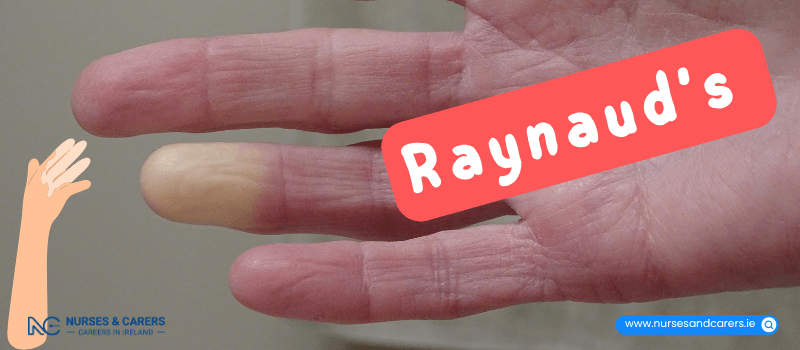
Raynaud's phenomenon is a common circulatory condition that causes the small blood vessels in the extremities to narrow temporarily. While usually harmless, it disrupts blood flow to areas like the fingers and toes, causing noticeable colour changes and discomfort.
Quick Symptom Checker
Raynaud's symptoms are typically triggered by cold temperatures (like handling frozen food or cold water) or emotional stress. Symptoms can last from a few minutes to several hours and include:
Colour Changes: Fingers or toes turn white (restricted blood flow), then blue or purple (lack of oxygen), and finally bright red (blood flow returns).
Sensory Changes: Numbness, pain, or a burning "pins and needles" sensation as circulation returns.
Mobility Issues: Temporary difficulty moving the affected area.
Note: The ears, nose, lips, or nipples can also be affected in some individuals.
Differential Diagnosis
Ensure your symptoms are not caused by other conditions:
Temporary Pins & Needles: Often caused simply by resting or sleeping on a limb.
Hyperventilation: Can cause trembling and pins and needles, but the fingers will not change colour.
Chilblains: Causes burning, itchy swelling on fingers and toes after cold exposure, worsening as the skin warms up.
Who is Affected?
Primary Raynaud's: Most common in young people and affects women more than men. It typically does not cause severe problems.
Secondary Raynaud's: Onset after age 40 may indicate an underlying, more serious connective tissue disorder, such as rheumatoid arthritis, lupus, or scleroderma. This form can be severe, causing painful sores or skin loss on the fingers.
Management and Self-Care
Do's | Don't's |
|---|---|
Keep your home warm and well-insulated. | Do not smoke, as nicotine restricts blood circulation. |
Wear warm layers, focusing on thick gloves and socks. | Limit caffeine intake from tea, coffee, or cola. |
Exercise regularly to improve overall circulation. | Avoid sudden temperature drops without protection. |
Practice relaxation techniques like yoga or breathing exercises. | Do not ignore developing sores or skin changes. |
When to See a GP
Consult a doctor if you experience any of the following:
Symptoms are severe, worsening, or disrupting your daily life.
You develop open wounds, ulcers, or sores on your extremities.
You experience numbness strictly on one side of your body.
Symptoms are accompanied by joint pain, skin rashes, or muscle weakness.
You develop Raynaud's for the first time over the age of 30.
A child under the age of 12 shows symptoms.
Medical Treatments
A GP may order blood tests to rule out underlying autoimmune conditions. If symptoms are severe, medical interventions include:
Nifedipine: A commonly prescribed medication that helps open small blood vessels to improve circulation. It can be taken daily or used strictly as a preventative measure during winter.
Blood Pressure Medications: Other vasodilators may be prescribed to prevent the small arteries in the fingers and toes from constricting.
Disclaimer
The information provided here is for educational and informational purposes only. It does not constitute medical advice, diagnosis, or treatment. Always consult a qualified healthcare professional or your GP for specific medical concerns, diagnoses, or health advice. Never disregard professional medical advice or delay seeking it because of information you have read here.