
Red Eye
17 Sept 2026 · 3 min read
On this page6 sections
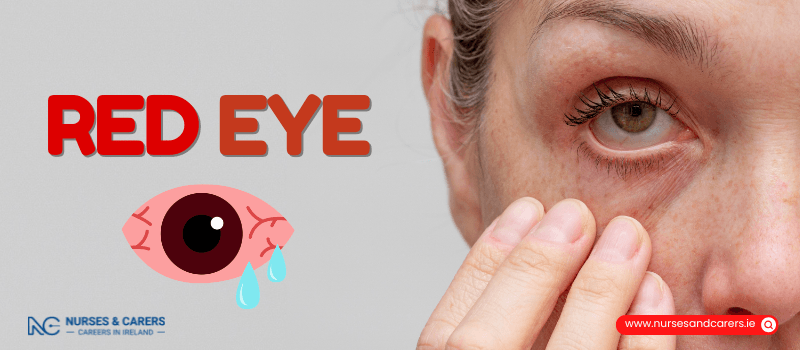
A red eye is a common issue that often resolves on its own without causing long-term problems. However, it can occasionally signal a more serious underlying condition that requires medical intervention.
Emergency Action Required
Do not drive yourself. Have someone else drive you or take public transport to the nearest Emergency Department immediately if your red eye is accompanied by:
Changes to your vision, including loss of sight, wavy lines, or flashing lights.
Severe pain when looking at light (photophobia).
A severe headache paired with nausea or vomiting.
An eye color that turns a very dark, deep red.
A recent physical injury, pierce, or puncture to the eye.
A foreign object stuck in the eye, such as glass, chemical splash, or sharp grit.
Urgent Medical Advice
Request an urgent GP or eye clinic appointment if:
An infant under 28 days old develops a red eye.
Your red eye is physically painful.
You wear contact lenses and develop a red eye, as this significantly increases the risk of a serious corneal infection.
Routine GP and Pharmacy Care
When to see a GP: Schedule a regular appointment if your symptoms do not improve after a few days, or if a child under 2 years old develops a red eye. Your GP may refer you to an ophthalmologist (eye specialist) if the cause is unclear.
Pharmacist Assistance: Speak to your local pharmacist to find over-the-counter cleaning solutions or lubricating eye drops, and to confirm if your symptoms require a doctor.
Safe Self-Care Rules
Until your eye has fully healed, adhere to the following adjustments:
Do not touch or rub your affected eye.
Do not wear contact lenses until all redness and irritation disappear.
Common Causes and Symptoms
Condition | Typical Symptoms | Clinical Action |
|---|---|---|
Burst Blood Vessel(Subconjunctival Haemorrhage) | A painless, bright red patch on the white of the eye. | Resolves naturally on its own; no GP visit required. |
Conjunctivitis | Gritty, burning feeling accompanied by sticky discharge. | Treat with pharmacy drops; highly contagious. |
Dry Eyes | Sore, blurry, or constantly watery eyes. | Managed with over-the-counter lubricating drops. |
Blepharitis | Itchy, sore, or red eyelids, often with crusting. | Requires daily eyelid hygiene and warm compresses. |
Ingrowing Eyelashes | Constant sensation of having a foreign object in the eye. | May require safe removal by a healthcare professional. |
Eyelid Problems | Swollen, drooping, twitching lids, or a distinct lump. | Consult a doctor if the lump persists or blocks vision. |
Disclaimer
The information provided here is for educational and informational purposes only. It does not constitute medical advice, diagnosis, or treatment. Always consult a qualified healthcare professional or your GP for specific medical concerns, diagnoses, or health advice. Never disregard professional medical advice or delay seeking it because of information you have read here.