
Conjunctivitis (Red or Pink Eye)
7 Sept 2026 · 5 min read
On this page14 sections
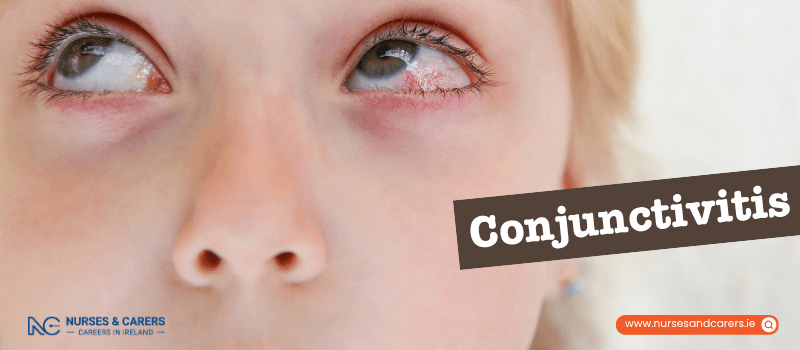
Conjunctivitis is an inflammation of the transparent membrane lining the eyelid and eyeball. It is primarily caused by viral or bacterial infections, seasonal allergies (such as hay fever), or specific sexually transmitted infections (STIs).
While adults can safely manage mild cases at home, children and infants require cautious monitoring and frequently need professional medical evaluation.
Identifying Symptoms and Contagion Risk
The primary symptoms of conjunctivitis include bloodshot or intensely red eyes, swollen eyelids, excessive tearing, and an itchy, gritty, or sore sensation. You or your child may also experience accompanying flu-like symptoms.
Determining whether the condition is contagious depends heavily on the type of discharge present:
Contagious (Infectious): If the eyes feel distinctly gritty or produce sticky pus that glues the eyelashes together, the condition is highly contagious.
Non-Contagious (Allergic): If the eyes are red and watery but produce no pus or crusting, the cause is typically an allergy (e.g., hay fever) and cannot spread to others.
Safe At-Home Care and Eye Hygiene
If you are an adult with mild, non-severe conjunctivitis, use the following hygiene routine to soothe your eyes:
Eye Cleaning Steps:
Wash your hands thoroughly with warm water and soap.
Boil a small amount of water and allow it to cool down completely to room temperature.
Soak a clean cotton wool pad or wipe in the cooled water.
Gently wipe your eye in a single motion from the inner corner to the outer corner.
Discard the pad immediately. Use a completely new, clean cotton wool pad if you need to wipe the eye again or clean the other eye.
Comfort Dos and Don'ts:
Do hold a clean, cold, damp flannel over your closed eyes for a few minutes to reduce swelling and heat.
Do launder pillows, bed sheets, and face cloths frequently in hot water using a strong detergent.
Do wash your or your child's hands immediately if an eye is accidentally touched or rubbed.
❌ Do not wear contact lenses under any circumstances until your eyes have completely recovered.
❌ Do not share towels, flannels, or pillows with anyone else in your household.
❌ Do not rub your eyes, as this worsens inflammation and spreads infectious discharge.
Infant Care Note:
There is no clinical evidence that applying breast milk to a baby's eyes cures conjunctivitis, though it is unlikely to cause physical harm. Never place infant formula milk into a baby's eyes.
Work, School, and Childcare Attendance
You or your child do not need to stay home from work, school, or crèche if you feel well enough to attend, even if the infection is contagious. However, if your child is attending childcare, you must check your specific provider's policy to ensure they are permitted to care for children with active conjunctivitis.
Pharmacy and Medical Treatments
Professional medical treatments are precisely tailored to the underlying cause:
Viral or Allergic Cases: ❌ Antibiotics do not work against viruses or allergies. Your pharmacist or GP will provide advice on soothing viral symptoms at home, or recommend targeted over-the-counter antihistamine eye drops for allergies.
Bacterial Cases: If the specialist confirms a bacterial infection, they may prescribe or sell targeted antibiotic eye drops.
Note: Adults can access advice and certain treatments directly from a pharmacist via the commercial Common Conditions Service for a fee.
When to Seek Medical Attention
Age-Specific Guidance for Children
If you suspect your child or infant has conjunctivitis, their age determines the care path:
Less than 4 weeks old: 🚨 Requires immediate emergency care
Less than 6 months old: 📞 Contact your GP for an evaluation.
Over 6 months old: Consult either your pharmacist or your GP.
📞 Contact Your GP or Optician (Non-Urgent) If:
Adults: Symptoms fail to clear up entirely after 2 weeks, or you wear contact lenses and notice unexpected small spots forming on your eyelids.
Children: One or both eyes remain red, painful, or uncomfortable for more than 2 days; the child is highly distressed by their symptoms; or sticky discharge lasts for 2 weeks or more.
🚨 Call 999 / 112 or Go to the Emergency Department Immediately If:
An Adult Experiences:
Severe, deep pain inside the eye.
Sudden changes in vision (such as seeing wavy lines, flashes, or persistent blurriness).
Intense, severe redness restricted to one or both eyes.
A Child or Infant Experiences:
The baby is less than 4 weeks old (newborn conjunctivitis requires urgent screening to prevent eye damage).
The child is in severe, unmanageable pain or experiences light sensitivity (photophobia).
Blurry vision persists even after you thoroughly clean the crust and pus away from their eyes.
You suspect a foreign body (like sand, dirt, or grit) is trapped in the eye.
The eye redness is accompanied by a bodily rash (which can indicate a systemic infection like measles).
The child routinely wears contact lenses.
Disclaimer
The information provided here is for educational and informational purposes only. It does not constitute medical advice, diagnosis, or treatment. Always consult a qualified healthcare professional or your GP for specific medical concerns, diagnoses, or health advice. Never disregard professional medical advice or delay seeking it because of information you have read here.