
Rosacea
17 Sept 2026 · 3 min read
On this page6 sections
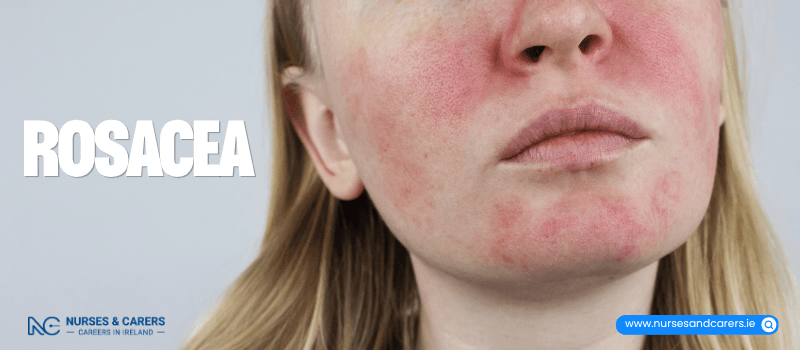
Rosacea is a common, long-term inflammatory skin condition that primarily affects the face. While it is most frequently diagnosed in individuals over the age of 30 with fair skin, it can develop at any age and occurs across all skin types and tones. Although there is no cure, consistent medical treatment and lifestyle adjustments can successfully manage and control symptoms.
Urgent Action Required: Eye Complications
Contact a GP or an eye clinic urgently if you have rosacea and experience any of the following eye symptoms:
Physical eye pain or blurred vision.
A deep red eye or a constant gritty sensation.
Sudden or severe sensitivity to light.
Note: These symptoms indicate ocular rosacea or keratitis (inflammation of the cornea), which requires rapid medical intervention to protect your eyesight.
Symptom Identification
The symptoms of rosacea fluctuate and typically worsen over time if left untreated.
Initial Signs: Intermittent flushing or redness across the nose, cheeks, forehead, and chin, often accompanied by a burning or stinging sensation when applying water or skincare products.
Skin Tone Differences: Facial redness and flushing can be significantly harder to visually detect on black or brown skin.
Progressive Signs: Persistent, permanent facial redness, visible broken blood vessels (telangiectasia), dry skin, and facial swelling (especially around the eyes).
Bumps and Spots: Small pink or red bumps, sometimes filled with a yellowish fluid, which can easily be mistaken for acne.
Advanced Signs: Crusted eyelashes, red eyes, and a gradual thickening of the skin, most commonly observed on the nose (rhinophyma) after many years.
Common Triggers
While the exact cause of rosacea involves genetics, immune system factors, and environmental UV exposure, flare-ups are frequently triggered by daily habits. Common triggers include:
Alcohol and hot beverages.
Spicy foods and certain cheeses.
Caffeine found in tea, coffee, and chocolate.
High-intensity aerobic exercise, such as running.
Management and Skin Care
Do's | Don'ts |
|---|---|
Apply SPF 30+ sunscreen daily, prioritizing mineral sunscreens year-round. | Do not use harsh skincare products, alcohol-based toners, or scented cosmetics. |
Cover your face with a scarf or wrap during cold, windy weather. | Avoid extreme heat, direct midday sunlight, and highly humid environments. |
Clean eyelids daily if you experience crusting or swelling (blepharitis). | Do not scratch or violently rub the affected facial skin. |
Practice stress management techniques to lower emotional triggers. | Do not self-treat with strong over-the-counter acne medications. |
Medical Treatments
A GP can help differentiate rosacea from similar conditions like acne, lupus, or dermatitis, and may prescribe the following interventions:
Topical Prescriptions: Specialized prescription creams and gels applied directly to the skin to reduce inflammation and redness.
Oral Antibiotics: A standard 6- to 16-week course to target systemic inflammation rather than a bacterial infection.
Advanced Therapies: Intense Pulsed Light (IPL) laser treatment to target permanent redness and broken blood vessels.
Specialist Referral: A GP will refer you to a dermatologist if initial treatments fail to manage your symptoms.
Disclaimer
The information provided here is for educational and informational purposes only. It does not constitute medical advice, diagnosis, or treatment. Always consult a qualified healthcare professional or your GP for specific medical concerns, diagnoses, or health advice. Never disregard professional medical advice or delay seeking it because of information you have read here.