
Scarlet Fever
17 Sept 2026 · 4 min read
On this page10 sections
Scarlet fever is a highly contagious bacterial infection that primarily affects young children, though adults can also contract it. It is caused by Group A streptococcus bacteria. While it can become a serious illness if neglected, it is easily and effectively treated with a standard course of antibiotics.
Symptom Progressive Checklist
Symptoms develop in distinct stages. Early presentation mimic a standard virus, followed shortly by a characteristic rash and tongue changes.
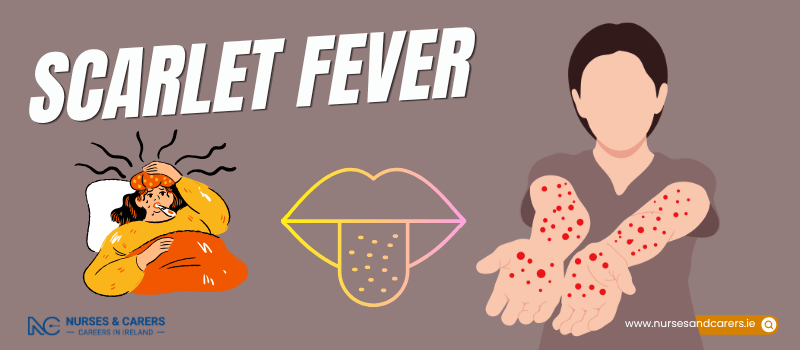
Stage 1 (Initial 12–48 Hours): Flu-like symptoms including a high temperature (38°C or higher), a severe sore throat, and visibly swollen neck glands.
Stage 2 (The Sandpaper Rash): A rash of small, raised bumps begins on the chest and stomach before spreading. It causes the skin to feel rough, like sandpaper. The face remains free of the rash, though the cheeks may look flushed.
Stage 3 (Strawberry Tongue): A thick white coating forms on the tongue. This coating soon peels away, leaving the tongue bright red, swollen, and covered in tiny bumps (known clinically as "strawberry tongue").
Skin Tone Presentation Differences
White Skin: The rash looks distinctly pink or red, and facial flushing is clearly visible.
Black or Brown Skin: The red coloration of the rash and flushed cheeks can be very difficult to see. However, the distinct sandpaper texture of the skin can still be felt easily.
Quarantine and Contagion Windows
Scarlet fever spreads easily through respiratory droplets and shared items. The infectious windows vary heavily based on medical treatment:
Without Antibiotics: An infected person can spread the bacteria to others for up to 6 days before symptoms appear, and remain contagious for 2 to 3 weeks after symptoms start.
With Antibiotics: The contagion window drops drastically. You stop spreading the infection 24 hours after taking your first antibiotic dose.
Return Criteria: Children and adults must stay home from school, creche, or work until they have completed 24 hours of antibiotics, no longer have a fever, and display no other active symptoms.
Actionable Prevention: Do's and Don'ts
Do's | Don'ts |
|---|---|
Wash hands frequently with warm water and soap. | Do not share personal items like cutlery, cups, bedding, or towels. |
Catch coughs and sneezes immediately in clean tissues. | Do not stop antibiotics early, even if you feel completely recovered. |
Bin used tissues immediately after a single use. | Do not attend school or work while actively contagious. |
Consume cool fluids and soft foods to soothe a sore throat. | Do not give aspirin to any child under the age of 16. |
When to Seek Medical Attention
Contact your GP if you or your child develop symptoms of scarlet fever, if you have been in direct contact with an active case, or if you meet any of these specific risk criteria:
You display no signs of improvement after starting your antibiotic course.
You or your child contract scarlet fever and chickenpox at the same time (this creates a high risk of severe skin infection).
You become systemically unwell again weeks after recovering (this can signal a delayed complication like rheumatic fever).
Pregnancy Note: While scarlet fever does not directly harm an unborn baby, it makes the mother very unwell. Expectant mothers should avoid active cases and contact their GP immediately if exposed; the standard antibiotics used are safe during pregnancy.
Safety Call-Ahead Rule: Because scarlet fever is highly infectious, always phone your GP clinic before arriving. They may arrange a phone consultation to prevent exposing vulnerable patients in the waiting room.
Medical Diagnosis and Treatment
A GP can usually diagnose scarlet fever by examining the rash and tongue. To confirm, they may swab the back of the throat for bacteria or request a blood test.
Treatment requires a full course of oral antibiotics. This medication accelerates recovery, reduces transmission rates, and prevents rare but severe complications such as ear infections, throat abscesses, sinusitis, pneumonia, meningitis, sepsis, and rheumatic fever.
Disclaimer
The information provided here is for educational and informational purposes only. It does not constitute medical advice, diagnosis, or treatment. Always consult a qualified healthcare professional or your GP for specific medical concerns, diagnoses, or health advice. Never disregard professional medical advice or delay seeking it because of information you have read here.