
Scoliosis
17 Sept 2026 · 10 min read
On this page43 sections
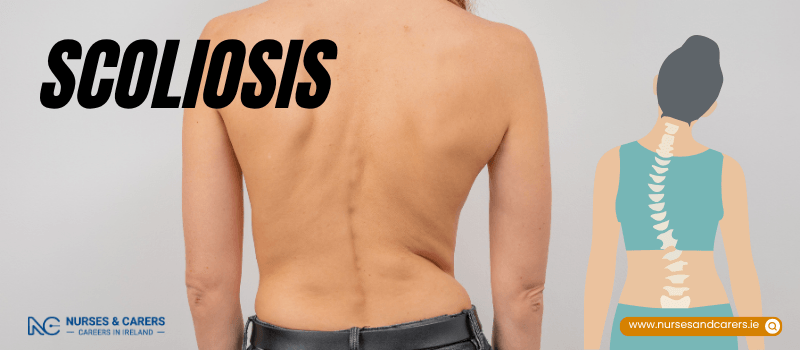
Scoliosis is a structural condition where the spine twists and curves sideways, frequently forming a distinct "S" or "C" shape. It can affect individuals of any age—from infants to older adults—but most commonly develops in children between the ages of 10 and 15. While the visible impact on posture can be noticeable, the condition is typically painless and is rarely a sign of an underlying severe health issue.
Symptom Identification
The visibility of symptoms corresponds directly to the severity of the spinal curvature. In mild cases, indicators may be completely unnoticeable. When present, signs include:
A visibly curved spine or a noticeable body lean to one side.
Uneven alignment of the shoulders, waistline, or hips.
One shoulder blade or the ribs protruding further on one side of the body.
Clothes hanging unevenly or not fitting correctly.
Diagnostic Testing
Early diagnosis is vital because prompt medical intervention can halt progression. If scoliosis is suspected, a GP will refer the patient to an orthopaedic consultant who will conduct the following evaluations:
Posture Assessment: A physical examination to check the visual alignment of the shoulders, hips, and spine for any asymmetry.
Adam’s Forward Bend Test: The patient bends forward at the waist with arms hanging freely. The specialist examines the back to see if the ribs or back muscles stick out unevenly on one side.
X-ray Imaging: If physical signs are present, an X-ray is ordered to definitively confirm the diagnosis, determine the structural cause, and precisely measure the angle of the spinal curve.
Classification by Age and Cause
1. Idiopathic Scoliosis (Unknown Cause)
In approximately 80% of cases, the exact cause of scoliosis is unknown. It is not caused by poor posture, lack of exercise, or diet, though genetics play a role as the condition can run in families. The progression depends heavily on the onset age:
Infantile (Ages 0 to 3): Most frequently affects boys and typically resolves naturally without medical treatment.
Juvenile (Ages 3 to 9): Carries a high risk of worsening over time and requires close clinical monitoring.
Adolescent (Ages 10 to 18): The most common form, which statistically affects more girls than boys.
2. Less Common Causes
Congenital Scoliosis: Present from birth, occurring when the spinal bones do not form correctly in the womb.
Neuromuscular Scoliosis: Triggered by an underlying nerve or muscle disorder, such as cerebral palsy or muscular dystrophy.
Degenerative Scoliosis: Caused by the natural wear and tear of the spinal joints and discs in older adults.
Syndromic Scoliosis: Evolving as part of a wider, specific underlying genetic syndrome that impacts multiple areas of the body.
Management and Treatment Options
Many individuals with mild scoliosis require no treatment at all, and only a small percentage require major spinal surgery. While targeted back exercises have not been clinically proven to correct the curve, general exercise is highly encouraged for overall health.
Patient Group | Primary Medical Interventions |
|---|---|
Babies & Toddlers | Monitored closely as curves often self-correct; custom plaster casts or plastic back braces may be fitted to guide spinal growth safely. |
Older Children | Custom back braces are frequently prescribed to stop the curve from worsening; surgical intervention may be required to control spinal growth. |
Adults | Focuses strictly on symptom management using targeted painkillers and spinal injections; surgery is considered only in exceptional cases. |
Daily Life and Emotional Well-being
The vast majority of people living with scoliosis lead completely normal, active lives and can participate fully in sports and physical activities. The spinal curve typically stabilizes and stops changing once structural growth ceases.
However, receiving a diagnosis or wearing a visible back brace can be emotionally challenging, frequently impacting body image and self-esteem in children and teenagers. Accessing patient support networks, such as Scoliosis Awareness and Support Ireland, can provide valuable coping advice and connect families with others navigating similar experiences.
When to See a Medical Professional
Consult your GP if you notice any signs of spinal curvature or uneven alignment in yourself or your child. Additionally, if you are an adult with diagnosed scoliosis, contact your GP promptly if you notice your posture noticeably worsening or if you experience a sudden increase in physical discomfort.
Scoliosis: Treatment in Adults
Treatment for adults with scoliosis focuses primarily on pain management and maintaining functional mobility. Unlike childhood scoliosis, where treatments actively correct spinal growth, adult interventions are typically unnecessary if the spinal curve is mild and causes no physical discomfort.
Pain Management Strategies
1. Over-the-Counter and Prescription Painkillers
First-Line Options: Non-Steroidal Anti-Inflammatory Drugs (NSAIDs), such as ibuprofen, are the standard recommendation for managing scoliosis-related back pain.
Safety Verification: NSAIDs are not safe for everyone. Patients must review the product warning leaflet or consult a pharmacist before use.
Clinical Scalability: If over-the-counter medications fail to relieve pain, a GP can prescribe stronger analgesics or refer the patient to a dedicated specialist pain management clinic.
2. Spinal Injections
When a curved spine irritates or compresses adjacent spinal nerves, it can cause severe pain, numbness, and tingling radiating from the lower back down into the feet.
The Procedure: Targeted injections combining corticosteroids and a local anaesthetic can be administered directly into the affected area of the spine.
Limitations: These injections provide temporary relief that typically lasts only a few weeks or months. They are not a viable long-term solution.
3. Back Braces
Adult Application: Structural back braces do not correct adult spinal alignment and are rarely used. However, they can offer temporary pain relief by physically supporting the spine.
Surgical Alternative: A custom brace may be prescribed as a non-invasive alternative for patients with severe symptoms who are medically unfit to undergo major surgery.
Physical Therapy and Exercise
Regular physical activity is vital for adult scoliosis care. Exercise strengthens the core muscles, stretches the back, and assists in weight management, which directly reduces mechanical strain on the spine.
Activity Selection: The primary goal is consistent spinal movement. Patients should choose low-impact, enjoyable activities they can maintain long-term.
Physiotherapy: A physiotherapist can design targeted back exercises. While these stretches will not alter or reduce the structural curvature of the spine, they are highly effective at reducing pain and improving daily function.
Note: Always consult a GP, scoliosis specialist, or physiotherapist to verify safety before initiating any new physical training program.
Surgical Interventions
The vast majority of adults with scoliosis do not require surgery. Surgical intervention is reserved strictly for complex cases meeting specific clinical criteria.
Surgical Indications
The spinal curve is severe or displays documented progressive worsening.
The patient suffers from chronic, debilitating back pain that fails to respond to all conservative treatments.
Spinal nerves are severely compressed or structurally compromised.
Common Procedures
Lumbar Decompression Surgery: Remodeling bone or tissue to relieve direct pressure on squashed spinal nerves.
Spinal Fusion: Permanently joining two or more vertebrae together using bone grafts or hardware to stabilize, strengthen, and straighten the spine.
Major Risks and Recovery
Risk Factor | Clinical Realities and Complications |
|---|---|
Recovery Timeline | A major surgical intervention requiring up to a full year or more for complete physical recovery. |
Unresolved Pain | Surgery may fail to eliminate back pain. It is statistically much more effective at relieving radiating leg pain than localized back pain. |
Infection & Clots | Carries standard major surgical risks, including localized wound infections and deep vein blood clots. |
Nerve Damage | In rare instances, surgical manipulation can damage spinal nerves, resulting in permanent leg weakness, numbness, or paralysis. |
Scoliosis: Treatment in Children
The medical approach for children with scoliosis is determined by their age, the severity of the spinal curvature, and how rapidly the curve is progressing. Many children with mild scoliosis require no active treatment, and only a small percentage require surgical intervention. For moderate scoliosis (curves between 25 and 45 degrees), interventions aim to guide spinal growth and prevent the curvature from worsening while the child's skeleton is still maturing.
Core Pediatric Treatment Pathways
1. Specialist Clinical Monitoring
Treatment is often unnecessary for infants and very young children, as their spines frequently straighten naturally as they grow.
Mild Cases: The orthopaedic consultant will monitor the spine through regular physical check-ups and follow-up X-rays.
Clinical Necessity: Careful monitoring is crucial. If a progressive curve goes unmanaged in a growing child, it can reduce the structural space available for internal organs to develop properly.
2. Plaster Casts for Infants and Toddlers
For babies and toddlers whose spinal curves fail to self-correct, a custom-fitted plaster cast may be applied to guide spinal alignment during growth spurts.
Application: The cast is fitted while the child is asleep under general anaesthetic to ensure precision and comfort.
Usage: The cast is worn continuously and cannot be removed. It is replaced every few months by medical staff to accommodate the child's growth.
3. Custom Back Braces for Older Children
If a growing child's spinal curve is progressively worsening, a specialist may prescribe a custom back brace. While a brace cannot reverse or cure an existing curve, it is designed to halt further progression. Because clinical evidence regarding brace efficacy varies, they are not universally recommended by all specialists.
Design: Custom-molded from rigid plastic (or occasionally flexible materials) and designed to remain discreet under loose clothing.
Schedule: Must be worn for 23 hours a day for as long as the child's skeleton is actively growing.
Activities: The brace does not restrict normal daily life. It should only be removed for bathing, showering, swimming, and high-impact contact sports.
4. Surgical Intervention
Surgical correction is reserved for children with severe scoliosis or instances where the spinal curvature continues to deteriorate significantly despite casting or bracing. The exact surgical technique utilized depends entirely on the child's age and skeletal maturity.
Physical Activity and Alternative Therapies
Interventions | Clinical Reality and Guidance |
|---|---|
General Exercise | Highly recommended. It builds core muscle strength and reduces back pain. Children can safely participate in almost all sports and activities unless a specialist explicitly advises against them. |
Physiotherapy | It remains unproven whether specialized spinal exercises or physical therapy improve scoliosis curves, meaning they are not recommended by all clinicians. |
Alternative Care | There is insufficient medical evidence to support using osteopathy or chiropractic care to manage or treat childhood scoliosis. |
Disclaimer
The information provided here is for educational and informational purposes only. It does not constitute medical advice, diagnosis, or treatment. Always consult a qualified healthcare professional or your GP for specific medical concerns, diagnoses, or health advice. Never disregard professional medical advice or delay seeking it because of information you have read here.