
Seasonal Affective Disorder (SAD)
18 Sept 2026 · 7 min read
On this page15 sections
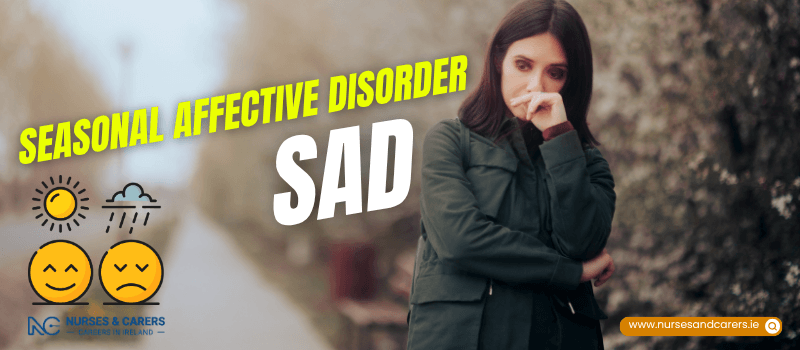
Seasonal Affective Disorder (SAD) is a form of clinical depression that follows a distinct seasonal pattern. For the majority of individuals, symptoms surface during autumn or winter and resolve naturally with the arrival of spring. A rare variation, known as summer depression, begins in late spring and persists through the summer months. Symptoms range from mild seasonal shifts to severe, debilitating episodes that heavily disrupt daily functioning.
Core Symptoms of Depression
Individuals experiencing SAD often present with the primary emotional indicators of standard depression during their affected season:
A persistent, unremitting low mood and feeling tearful.
Anhedonia, which is a profound loss of pleasure or interest in routine, daily activities.
Increased irritability, stress, or heightened anxiety.
Pervasive feelings of despair, worthlessness, inappropriate guilt, and low self-esteem.
A significantly reduced sex drive and a tendency to become socially withdrawn.
Suicidal thoughts or ideation.
Note: Cyclical shifts in mood and behavior that track with changing seasons can also indicate an underlying diagnosis of bipolar disorder.
Physical and Vegetative Symptoms
Unlike some types of depression, winter-pattern SAD frequently causes specific changes in energy, sleep, and appetite:
Severe lethargy, characterized by a profound lack of physical energy.
Hypersomnia, which includes sleeping much longer than usual and experiencing extreme difficulty waking up in the morning.
Persistent daytime drowsiness and an inability to concentrate on tasks.
A marked increase in appetite, often leading to carbohydrate cravings and subsequent weight gain.
A general decrease in physical activity levels, making standard work and domestic obligations increasingly difficult to manage.
When to Seek a Medical Assessment
Consult your GP if you suspect you are experiencing SAD and the symptoms are impacting your ability to cope with daily life. Because there is no single physical or definitive laboratory test for SAD, your doctor will perform a comprehensive psychiatric and physical evaluation:
Ruling Out Physical Causes: The GP may order routine blood or urine tests to rule out biological conditions that mimic seasonal depression, such as an underactive thyroid (hypothyroidism).
Clinical Interviewing: The doctor will evaluate your current mental and physical well-being by gathering detailed information regarding:
Your lifestyle, home environment, and daily habits.
Your personal medical history and any past psychiatric difficulties.
Recent environmental triggers or highly stressful life events.
Any current or historical thoughts of self-harm or suicide.
Note: The GP will specifically document whether your shifts in thought patterns and behaviors correlate directly with seasonal changes over a prolonged period.
Diagnosis of Seasonal Affective Disorder (SAD)
There is no definitive laboratory test, imaging scan, or physical examination used to diagnose Seasonal Affective Disorder (SAD). Instead, a diagnosis is established through a comprehensive clinical evaluation conducted by a GP or mental health professional. Because many forms of depression present with identical symptoms, a doctor must carefully track the timing and pattern of your symptoms to confirm a diagnosis.
The Clinical Consultation
To evaluate your condition, your GP will conduct a detailed interview regarding your mental and physical well-being. To help your doctor make an accurate assessment, it is vital to answer these questions openly and honestly. The evaluation focuses on:
Mood and Behaviour: Assessing the severity of your low mood, anxiety, or irritability.
Vegetative Patterns: Reviewing changes in your daily energy levels, appetite, food cravings, and sleep duration.
Functional Impact: Determining if your symptoms actively prevent you from managing your work, studying, maintaining relationships, or participating in hobbies.
Historical Context: Reviewing your personal lifestyle, current stressors, and any personal or family history of mental health conditions.
Physical Examination: Your GP may perform a brief physical examination or order routine blood tests. This is done to rule out underlying physical illnesses that mimic seasonal depression, such as an underactive thyroid.
Diagnostic Criteria for Confirmation
To differentiate SAD from other types of depression, a doctor looks for a specific cyclical pattern. A formal diagnosis of SAD is typically confirmed only when you meet all of the following criteria:
Securing a formal diagnosis is an important step, as it allows you to access targeted seasonal treatments such as specialized light therapy, specific psychological counseling, or preventative medications before your affected season begins.
Schizophrenia Treatment
Seasonal Affective Disorder (SAD) is managed using a combination of lifestyle adjustments, talk therapies, medical interventions, and specialized light exposure. Your GP will recommend a treatment plan based on the severity of your seasonal symptoms.
Actionable Self-Care and Lifestyle Adjustments
Implementing daily habits to maximize natural light exposure and manage stress can significantly alleviate mild to moderate seasonal symptoms:
Maximize Daylight: Get outdoors as much as possible, especially during peak daylight hours; even a brief walk at lunchtime is beneficial.
Optimize Indoors: Position your desk or seating near windows at home and work, and keep your environment well-ventilated and filled with natural light.
Stay Active: Maintain a regular exercise routine outdoors during daylight hours to naturally boost energy.
Nutrition and Stress Management: Consume a healthy, balanced diet and practice active stress-reduction techniques.
Communicate: Talk openly with family and friends about your seasonal mood shifts so they know how to support you during the winter months.
Evidence-Based Talk Therapies
Psychological treatments help break the negative cycles of seasonal depression. You can seek a referral from your GP or choose an independent therapist. If self-referring, ensure the professional is accredited by an official body such as the Irish Association for Counselling and Psychotherapy (IACP) or the Psychological Society of Ireland (PSI).
Cognitive Behavioural Therapy (CBT): Helps you identify unhelpful thought and behavioral patterns, teaching you to manage difficulties through positive cognitive restructuring.
Behavioural Activation: Focuses on breaking the cycle of seasonal depression by scheduling meaningful, enjoyable activities. This directly lifts mood and raises physical energy levels.
Counselling: A structured environment to speak with a trained professional about your worries, helping you build specific coping skills and gain self-insight.
Psychodynamic Psychotherapy: Explores how past stressful events and relationships shape your current behaviors and emotional responses.
Guided Self-Help: Uses clinical workbooks or verified online materials to help you understand the relationship between your thoughts, feelings, and behaviors.
Specialized Light Therapy
Light therapy involves sitting near a specialized light box for 30 to 60 minutes each morning during the winter. The device produces a very bright light that simulates natural sunlight. This exposure prompts the brain to decrease the sleep hormone melatonin and increase the mood-regulating chemical serotonin. Using a sunrise-simulation alarm clock that gradually brightens your bedroom can also assist with morning waking.
Choosing a Light Box
Ensure the device is explicitly certified and medically approved for treating SAD.
Verify that the manufacturer's filter removes all harmful ultraviolet (UV) rays.
Review the manual to determine the exact light intensity required and the recommended daily distance and duration for use.
Medical Suitability and Risks
While light therapy is highly safe for the majority of users, it may only provide short-term symptomatic relief during the active season, requiring re-implementation each winter.
Contraindications: Do not use bright light therapy without a prior medical consultation if you suffer from an underlying eye condition, have existing retinal damage, or take prescription medications that increase your skin or eyes' sensitivity to light.
Potential Side Effects: Side effects are rare, temporary, and mild. They include headaches, eye strain, blurred vision, daytime fatigue, and irritability.
Safety Rule: To prevent sleep disturbances or insomnia, never use a light therapy box during the evening.
Antidepressant Medications
For severe or debilitating cases of seasonal depression, a doctor may prescribe antidepressant medications alongside talk therapy. While antidepressants are a standard tool in general depression care, clinical evidence regarding their specific efficacy in treating seasonal cyclical patterns remains limited. Your GP will evaluate your medical history to determine if medication is an appropriate path for your symptoms.
Disclaimer
The information provided here is for educational and informational purposes only. It does not constitute medical advice, diagnosis, or treatment. Always consult a qualified healthcare professional or your GP for specific medical concerns, diagnoses, or health advice. Never disregard professional medical advice or delay seeking it because of information you have read here.