
Shingles
18 Sept 2026 · 3 min read
On this page11 sections
Symptoms, Treatment, and Prevention
Shingles is a painful skin rash caused by the reactivation of the chickenpox (varicella-zoster) virus. It occurs when the virus, which stays dormant in your body after having chickenpox, wakes up due to stress, illness, or a weakened immune system.
When to Seek Urgent Medical Care
Contact a GP, out-of-hours doctor, or emergency department immediately if:
The rash or tingling appears around your eyes, forehead, or nose (this can threaten your sight).
You experience facial weakness, hearing problems, or difficulty moving one side of your face.
Identifying Shingles
First signs: Skin tingling, burning, or pain in a specific area, headaches, and a general feeling of being unwell.
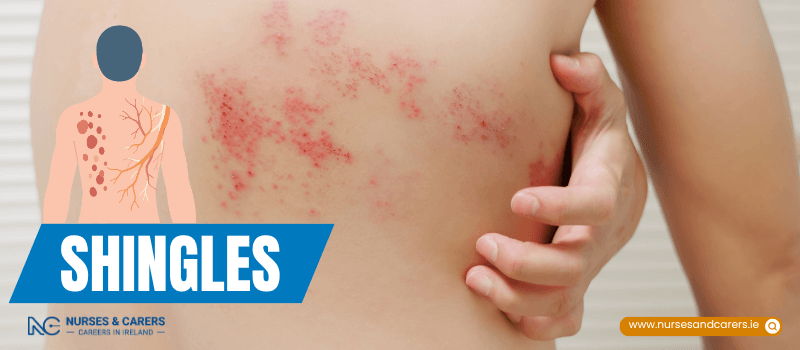
The rash: Appears a few days later as red or dark blotches on one side of the body only (commonly the chest, tummy, face, or genitals).
Skin tone differences: The rash appears red on white skin but can be harder to see on brown and black skin.
Progression: Blotches turn into itchy, fluid-filled blisters that ooze, then dry out and crust over.
Duration: The rash usually takes up to 4 weeks to heal, though nerve pain can persist longer.
Medical Treatments
Antiviral medications work best if started within 3 days of the rash appearing. Your GP or pharmacist may prescribe:
Antiviral tablets: To speed up recovery, especially for severe cases, facial rashes, or if you have a weak immune system.
Painkillers: Specifically targeted for nerve, muscle, and skin pain.
Steroid tablets: To reduce severe inflammation.
Note: A pharmacist can prescribe these under the Common Conditions Service for a fee.
Managing Symptoms At Home
Do
Keep the rash clean and dry to prevent bacterial infections.
Wear loose-fitting clothing made of natural fibres.
Apply a cool compress (a wet cloth or ice pack wrapped in a towel) a few times a day.
Ask a pharmacist for appropriate pain relief recommendations.
Don't
Do not let bandages, plasters, or dressings stick directly to the rash.
Do not wear tight or irritating clothes.
Do not use antibiotic creams (they slow down the natural healing process).
Preventing the Spread of the Virus
You cannot give someone shingles. However, the fluid from your blisters contains the virus and can give chickenpox to anyone who has never had it before.
High-risk groups to avoid: Pregnant women who never had chickenpox, individuals with weakened immune systems (e.g., undergoing chemotherapy), and babies under 1 month old.
Work and school: Stay home if your rash is oozing and cannot be covered. You are no longer infectious once the blisters dry out and crust over.
Coverage: Use loose clothing or a non-sticky dressing to cover the blisters.
Potential Complications
Starting treatment early lowers the risk of serious complications, which include:
Post-herpetic neuralgia: Severe nerve pain that lasts for months or years after the rash heals.
Bacterial infection: The rash becomes infected and requires antibiotics.
Ramsay Hunt syndrome: Rare facial paralysis and hearing loss.
Permanent damage: Permanent skin scarring, muscle weakness, or vision loss.
Special Considerations & Vaccination
Pregnancy: Shingles does not harm your unborn baby. However, your GP will likely refer you to a specialist for antiviral management.
Vaccination: A shingles vaccine is available privately for a fee to help prevent the condition. It is not covered under public medical cards or drug payment schemes.
Disclaimer
The information provided here is for educational and informational purposes only. It does not constitute medical advice, diagnosis, or treatment. Always consult a qualified healthcare professional or your GP for specific medical concerns, diagnoses, or health advice. Never disregard professional medical advice or delay seeking it because of information you have read here.