
Sickle Cell Disease
18 Sept 2026 · 3 min read
On this page8 sections
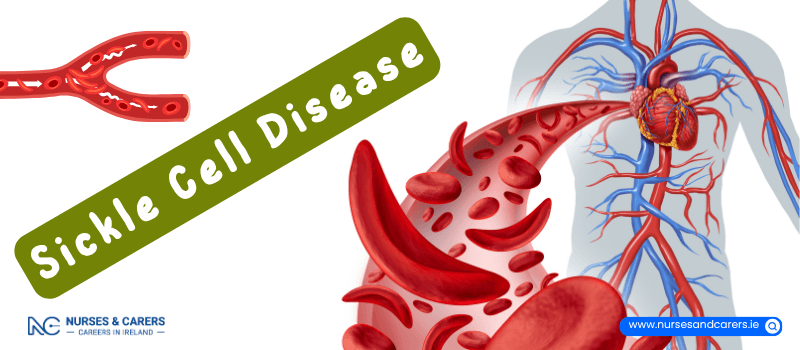
Sickle cell disease is a group of serious, lifelong inherited health conditions affecting red blood cells, with sickle cell anaemia being the most severe form. People with this condition produce abnormal haemoglobin, causing red blood cells to become unusually shaped, die prematurely, and block blood vessels. It is particularly common in individuals of African or Caribbean descent. Early detection and tailored treatment are vital to manage symptoms and reduce complications.
Main Symptoms and Complications
Problems usually begin in early childhood, though severity varies significantly between individuals. Main features include:
Sickle cell crises: Painful episodes that can be exceptionally severe and last for days or weeks.
Increased infection risk: Higher vulnerability to serious, potentially life-threatening infections.
Anaemia: Shortage of functional red blood cells, leading to chronic tiredness and shortness of breath.
Other complications: Delayed growth, lung problems, and a heightened risk of strokes.
Treatments and Management
Lifelong treatment is required. This is usually managed by a specialist sickle cell centre and supported by your General Practitioner (GP).
Medical Treatments:
Pain management: Over-the-counter painkillers like paracetamol or ibuprofen, or stronger prescription medications in a hospital setting.
Infection prevention: Daily antibiotics and specific vaccines to minimize infection risks.
Hydroxycarbamide (Hydroxyurea): A specialized medication prescribed to reduce the frequency and severity of symptoms.
Blood transfusions: Regular or emergency blood transfusions to increase healthy red blood cell counts.
Bone marrow or stem cell transplant: The only known cure for sickle cell disease. It is a high-risk procedure recommended only for specific candidates after careful consideration by a specialist care team.
Lifestyle and Self-Care:
Hydration: Drink plenty of fluids daily to keep blood flowing smoothly.
Temperature control: Stay warm to prevent blood vessels from constricting and triggering a painful crisis.
Trigger avoidance: Learn and avoid personal triggers that lead to pain episodes.
Causes and Genetic Inheritance
Sickle cell disease is entirely genetic and occurs when a person inherits two copies of an abnormal haemoglobin gene (one from each parent).
Understanding Carriers (Sickle Cell Trait):
A carrier has one copy of the abnormal gene and one copy of the normal gene.
Carriers do not develop the disease themselves and generally live normal lives.
If both parents are carriers, every pregnancy carries the following statistical probabilities:
1 in 4 chance (25%) the child will have sickle cell disease.
1 in 2 chance (50%) the child will be a carrier.
1 in 4 chance (25%) the child will not have the gene at all.
Screening and Diagnosis
A simple blood test can check for the disease or determine carrier status at any age.
Note: Sickle cell is not automatically included in the newborn blood spot screening programme in Ireland. If you know your child is at risk, you must explicitly request a blood test at birth.
Early diagnosis ensures timely intervention, which improves childhood development and prevents long-term organ damage.
Disclaimer
The information provided here is for educational and informational purposes only. It does not constitute medical advice, diagnosis, or treatment. Always consult a qualified healthcare professional or your GP for specific medical concerns, diagnoses, or health advice. Never disregard professional medical advice or delay seeking it because of information you have read here.