
Slapped Cheek Syndrome
18 Sept 2026 · 3 min read
On this page10 sections
Slapped cheek syndrome (also known as fifth disease) is a common childhood viral infection caused by parvovirus B19. It usually clears up on its own within 3 weeks. While less common in adults, the infection can be significantly more serious for them.
Common Symptoms
The illness typically starts with your child feeling generally unwell for a few days before a distinct rash appears.
Early Signs:
A high temperature (38°C or higher)
A runny nose and sore throat
A headache
The Rash:
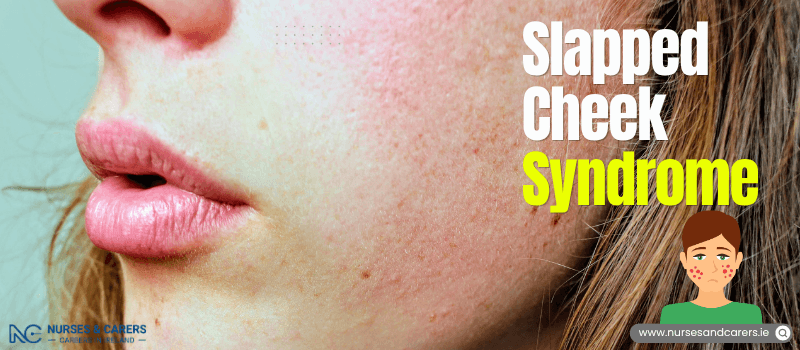
Cheek Rash: A bright red rash appears on both cheeks 1 to 3 days after initial symptoms start. This rash usually fades within 2 weeks. Note: Adults do not always develop this rash.
Body Rash: A few days after the facial rash appears, a faint pink, slightly raised, and itchy rash may develop on the body. It generally fades within 2 weeks but can intermittently reappear for several weeks.
Reappearance triggers include exercise, heat, anxiety, and stress. Adults may also experience joint pain and stiffness that persists for many weeks after other symptoms disappear.
Immediate Self-Care and Relief
You can manage the symptoms at home while the virus runs its course:
Rest and Hydration: Ensure your child gets plenty of rest and drinks fluids to prevent dehydration. Keep feeding infants their normal milk.
Fever and Pain Management: Give paracetamol or ibuprofen to reduce a high temperature, headaches, or joint pain. Always read the packet instructions. Never give aspirin to children under 16.
Soothe Itchy Skin: Speak to a pharmacist about anti-itch remedies or suitable antihistamines.
When to Seek Medical Advice
Urgent Medical Review:
Contact your GP immediately for an urgent appointment if you suspect slapped cheek syndrome and you or your child experience:
Pale skin that is noticeably lighter than usual
Unexplained shortness of breath
Extreme tiredness or lethargy
Fainting spells
These are warning signs of severe anaemia, which may require hospital treatment and a blood transfusion.
Non-Urgent Medical Advice:
Contact your GP if you have been exposed to someone with the virus and you fall into any of these high-risk categories:
You are pregnant
You have a weakened immune system (e.g., from chemotherapy or diabetes)
You have a pre-existing blood disorder, such as sickle cell anaemia or thalassaemia
How the Virus Spreads and Prevention
Parvovirus B19 spreads easily through airborne droplets when an infected person coughs or sneezes near other people, surfaces, or objects. Because the virus is most contagious before the visible rash appears, it is difficult to prevent entirely.
What you can do to reduce the spread:
Wash your hands frequently with warm water and soap.
Cough and sneeze directly into disposable tissues to trap germs.
Bin used tissues immediately after use.
Inform your child's school if they catch the virus. Children do not need to stay home if they feel well enough to attend.
Disclaimer
The information provided here is for educational and informational purposes only. It does not constitute medical advice, diagnosis, or treatment. Always consult a qualified healthcare professional or your GP for specific medical concerns, diagnoses, or health advice. Never disregard professional medical advice or delay seeking it because of information you have read here.