
Sleepwalking
18 Sept 2026 · 4 min read
On this page8 sections
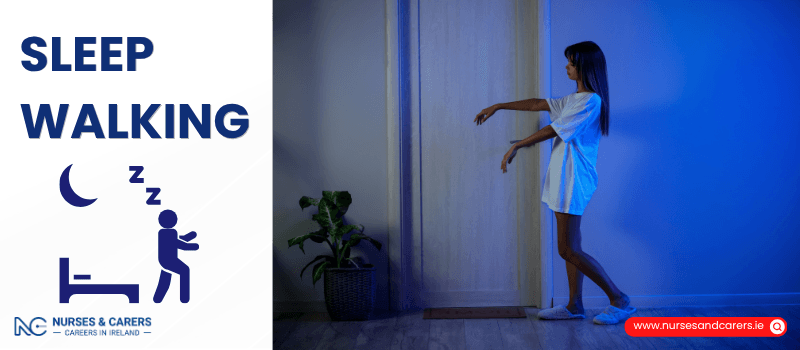
Sleepwalking involves walking or performing complex tasks while in a state of partial arousal from deep sleep, which typically occurs during the first few hours of the night. It can start at any age but is most prevalent in children, affecting approximately 1 in 5 at least once. Most children outgrow the condition by puberty, though it can persist into or begin during adulthood.
What Happens During an Episode
Sleepwalking episodes generally last less than 10 minutes but can be longer. Characteristic behaviours include:
Common actions: Getting out of bed, walking around, opening cupboards, getting dressed, or eating.
Complex behaviors: In extreme cases, individuals may leave the house or attempt to drive a car.
Appearance and interaction: Eyes are usually open, but the person will look straight through people without recognition. They may speak or reply, but their words often do not make sense.
Waking and memory: At the end of an episode, the person may wake up confused or return to bed naturally. They rarely have any memory of the event in the morning.
Note: Sleepwalkers may also experience related events without leaving bed, such as sitting up confused, sleeptalking, or experiencing night terrors.
Primary Causes and Triggers
The exact cause is unknown, but sleepwalking strongly runs in families. Genetic risk increases if close relatives sleepwalk or experience night terrors. Common triggers that precipitate or worsen episodes include:
Chronic sleep deprivation or disrupted sleep schedules.
High levels of stress and anxiety.
Febrile illnesses and infections, particularly in children.
Excessive alcohol consumption or recreational drug use.
Certain medications, including sedatives.
Sudden awakenings from deep sleep caused by noises, touch, or a full bladder.
Underlying sleep disorders, such as restless legs syndrome or obstructive sleep apnoea.
Safe Intervention: How to Handle a Sleepwalker
The primary goal when encountering a sleepwalker is to guarantee their immediate safety.
Do guide gently: Reassure the person and gently guide them back to bed. They will often settle back to sleep naturally if undisturbed.
Do settle after completion: Waking the person briefly once the episode finishes, before settling them back to sleep, can reset their sleep cycle and prevent a second episode.
Do not startle: Avoid shouting at or startling the person.
Do not physically restrain: Do not hold the person down unless they are in immediate physical danger, as they may lash out defensively.
Home Prevention and Bedtime Routines
While there is no specific cure, establishing a consistent sleep routine directly reduces the frequency of episodes:
Optimize your schedule: Go to bed at the same time every night and prioritize getting sufficient sleep.
Refine your environment: Ensure the bedroom remains completely dark and quiet.
Relax before bed: Practise calming activities such as reading, deep breathing, or taking a warm bath.
Manage intake: Limit liquid intake before bed, strictly avoiding caffeinated beverages like tea and coffee, and ensure you use the toilet before sleeping.
Scheduled waking for children: If a child sleepwalks at the exact same time every night, gently wake them 15 to 30 minutes prior to that time to alter their sleep cycle and prevent the episode.
Injury Prevention Measures
Modify the living environment to protect a sleepwalker from accidental harm:
Clear floors of tripping hazards, clutter, and fragile items.
Ensure all windows and external doors are securely locked before bed.
If a child sleepwalks, do not allow them to use the top bunk of a bunk bed.
Install secure safety gates at the top of all staircases.
Brief anyone babysitting or supervising the child overnight on safety protocols.
When to Consult a GP
Occasional sleepwalking is rarely serious and typically resolves over time. However, consult a General Practitioner if:
Episodes occur frequently.
There is a high risk that the sleepwalker could injure themselves or others.
Sleepwalking continues into adulthood or suddenly starts for the first time as an adult.
A GP may refer you to a specialist sleep centre for an in-depth history or overnight sleep studies to rule out underlying conditions like obstructive sleep apnoea.
Specialist Treatments
If lifestyle adjustments fail and safety risks persist, a doctor or specialist may recommend:
Medication: Short-term prescriptions of benzodiazepines or specific antidepressants to improve sleep quality and lower episode frequency.
Therapies: Targeted psychological approaches, including cognitive behavioural therapy (CBT) or hypnotherapy.
Disclaimer
The information provided here is for educational and informational purposes only. It does not constitute medical advice, diagnosis, or treatment. Always consult a qualified healthcare professional or your GP for specific medical concerns, diagnoses, or health advice. Never disregard professional medical advice or delay seeking it because of information you have read here.