
Sleep Paralysis
18 Sept 2026 · 3 min read
On this page9 sections
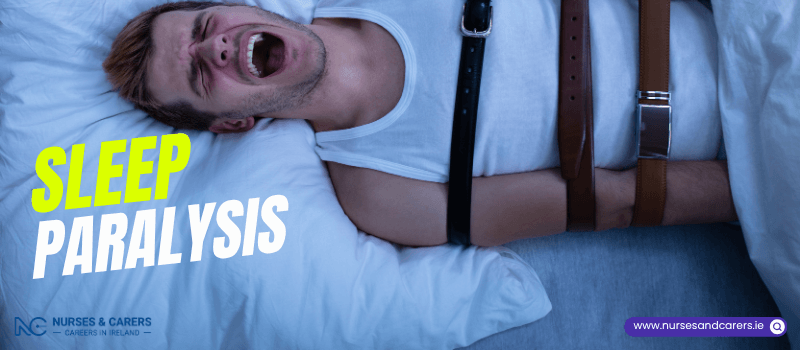
Sleep paralysis is a harmless but frightening condition where you are temporarily unable to move or speak while waking up or falling asleep. It occurs when your brain becomes active while your body is still in a deep sleep state (REM muscle relaxation). Most individuals only experience it once or twice in their lifetime.
What to Expect During an Episode
During sleep paralysis, you may feel fully conscious and aware of your surroundings, but experience the following for up to several minutes:
An inability to move your body, speak, or open your eyes.
A strong perception or sensation that someone else is in your room.
A feeling of intense pressure pushing down on your chest.
Feelings of severe fear or panic.
Primary Triggers and Associated Conditions
While the exact biological cause remains unclear, sleep paralysis is closely linked to:
Sleep disruption: Insomnia, sleep deprivation, or irregular schedules caused by shift work or jet lag.
Mental health conditions: General anxiety disorder, panic disorder, and post-traumatic stress disorder (PTSD).
Narcolepsy: A chronic neurological disorder that causes sudden, uncontrollable sleep attacks.
Genetics: A known family history of sleep paralysis.
How to Prevent Episodes
You can minimize the occurrence of sleep paralysis by adopting consistent lifestyle habits and optimizing your sleep routine:
Do:
Maintain a strict schedule: Go to bed and wake up at roughly the same time every day.
Prioritize duration: Aim to get a consistent 6 to 8 hours of sleep per night.
Stay physically active: Engage in regular exercise, ensuring you finish your workout at least 4 hours before bedtime.
Adjust your sleep position: Sleep on your side or stomach.
Don't:
Do not sleep on your back: Side-sleeping reduces the likelihood of triggering an episode.
Avoid late stimulants and toxins: Do not smoke, drink alcohol, or consume caffeine shortly before going to bed.
Avoid heavy late meals: Do not eat large or heavy dinners right before sleeping.
When to Consult a GP (Non-Urgent)
Schedule a consultation with your General Practitioner if you experience frequent episodes and you:
Feel deeply anxious or afraid to go to sleep.
Feel constantly tired or exhausted during the day due to disrupted rest.
Medical Treatments and Specialist Care
A GP will first target any underlying conditions triggering the episodes, such as prescribing therapy or medication for insomnia or anxiety. If the episodes persist, they will refer you to a specialist sleep doctor.
Specialist interventions may include:
Cognitive Behavioural Therapy (CBT): Structured therapy sessions designed to address sleep patterns and underlying anxiety.
Medication: Low-dose anti-depressants are sometimes prescribed, as they alter sleep architecture to effectively prevent sleep paralysis.
Paediatric referrals: If a child experiences sleep paralysis, a GP will refer them directly to a specialist paediatrician with expertise in sleep medicine.
Disclaimer
The information provided here is for educational and informational purposes only. It does not constitute medical advice, diagnosis, or treatment. Always consult a qualified healthcare professional or your GP for specific medical concerns, diagnoses, or health advice. Never disregard professional medical advice or delay seeking it because of information you have read here.