
Snoring
18 Sept 2026 · 3 min read
On this page9 sections
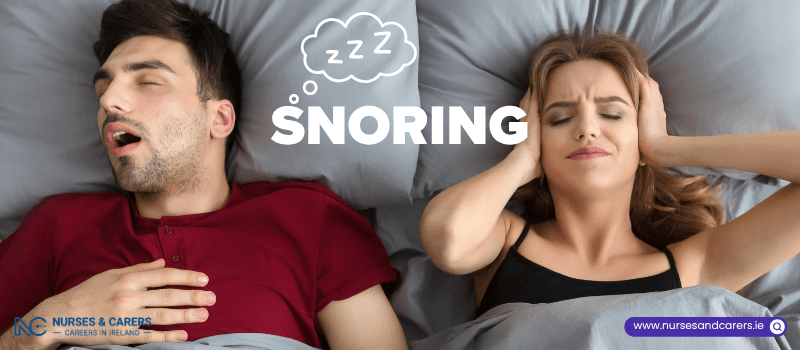
Snoring is a highly common condition that is rarely caused by a serious medical issue. It occurs when your tongue, mouth, throat, or airways relax and narrow during sleep, causing them to vibrate as you breathe. Simple lifestyle adjustments and specific devices can help manage and reduce the noise.
Common Risk Factors
You are significantly more likely to snore if you:
Carry excess weight or have overweight.
Smoke tobacco products.
Drink alcohol, especially close to bedtime.
Sleep flat on your back.
Take sleeping pills, which excessively relax the throat muscles.
Lifestyle Changes to Prevent Snoring
Do:
Sleep on your side: Use a specially designed snoring pillow or a bed wedge to maintain a side-sleeping position.
Manage your weight: Implement healthy lifestyle changes to reduce excess body weight.
Protect your partner: Suggest that your partner wears earplugs if the noise disrupts their rest.
Don't:
Do not smoke: Avoid smoking to reduce airway irritation.
Do not overconsume alcohol: Limit alcohol intake, particularly in the evening.
Do not take sedatives: Avoid sleeping pills unless strictly prescribed by a doctor.
Targeted Treatments by Cause
If lifestyle adjustments fail, targeted devices can address the specific anatomical source of your snoring:
Tongue blocking the throat: Use a mandibular advancement device (a mouthguard that holds your jaw and tongue forward).
Mouth falling open during sleep: Use a vestibular shield or a chin strap to keep your mouth closed and encourage nasal breathing.
Blocked or narrow nasal passages: Use nasal dilators (strips or devices that mechanically hold the nostrils open) or nasal sprays to reduce internal swelling.
Sleep apnoea: Use a CPAP machine (a small pump that delivers continuous compressed air through a mask to keep your airways open).
Note: Surgical procedures to widen the throat, nose, or mouth airways are sometimes considered if all other options fail. However, surgery is not widely available, does not guarantee success, and the snoring may eventually return.
When to Consult a GP
Schedule a non-urgent appointment with your General Practitioner if lifestyle modifications provide no relief, or if your snoring significantly impacts your or your partner's quality of life.
Seek Prompt Medical Advice If:
You feel excessively sleepy during the day, or you make audible gasping, choking, or snorting noises while asleep. These are primary warning signs of Obstructive Sleep Apnoea (OSA), a serious condition that requires medical management.
What to Expect at Your GP Appointment
Physical examination: Your doctor will thoroughly check the inside of your mouth and nose to identify any physical obstructions or structural issues.
Bring a witness: If possible, attend the appointment with your partner or someone who has observed you sleeping so they can accurately describe your snoring patterns.
Specialist referral: If the underlying cause remains unclear, your GP will refer you to an ENT (Ear, Nose, and Throat) specialist or a sleep clinic for advanced testing.
Disclaimer
The information provided here is for educational and informational purposes only. It does not constitute medical advice, diagnosis, or treatment. Always consult a qualified healthcare professional or your GP for specific medical concerns, diagnoses, or health advice. Never disregard professional medical advice or delay seeking it because of information you have read here.