
Sore or Dry Lips
18 Sept 2026 · 2 min read
On this page9 sections
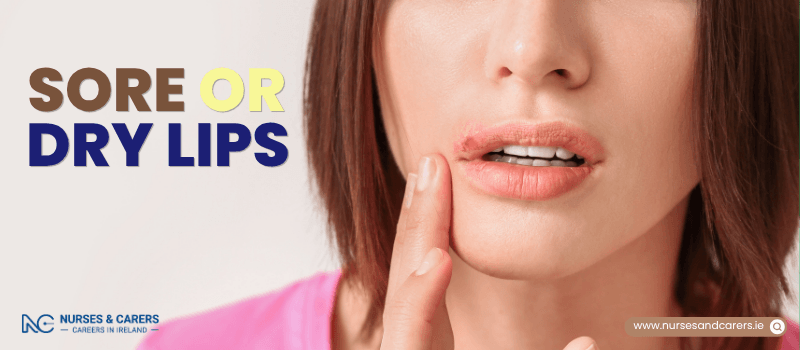
Dry or sore lips are a common issue triggered by temperature extremes, wind, or dehydration. You can manage most cases at home with proper care or by consulting a pharmacist, though infected lips require a GP visit.
Here is the essential guide to prevention, care, and when to seek medical help:
Self-Care for Lips
What to Do
Use targeted balms: Choose products containing petroleum jelly or beeswax to lock in moisture.
Switch products: Try alternative balms if your current one irritates your skin.
Maintain hygiene: Always wash your hands before applying any product to your lips.
Apply sun protection: Use a balm with SPF 15 or higher during hot, sunny weather.
Shield from cold: Cover your mouth with a scarf when out in freezing or windy conditions.
Hydrate often: Drink plenty of water throughout the day to prevent dehydration.
What to Avoid
Do not pick or bite: Tearing flaky skin tears the healthy tissue underneath and slows down healing.
Do not lick your lips: Saliva evaporates quickly, leaving lips drier and more sore than before.
Do not share balms: Sharing lip products spreads bacteria and viruses between people.
Common Triggers & Conditions
Dryness and soreness typically stem from environmental or physical factors:
Cold weather, wind, or low humidity
Sun damage
Dehydration
Physical injuries to the lip area
Allergic reactions
Nutritional deficiencies (lack of certain vitamins and minerals)
Is it a Cold Sore?
If you notice a small, fluid-filled blister, it might be a cold sore. These are usually preceded by a distinct tingling, burning, or itching sensation on the lip. You can verify symptoms and explore targeted treatments through the NHS Cold Sore Guide.
Professional Advice
Speak to a Pharmacist
Your local pharmacist can recommend the best over-the-counter moisturizers and advise if your condition requires a doctor. You can easily purchase protective petroleum or beeswax balms directly from any pharmacy.
When to See a GP
Contact a GP if your lips become hot, painful, red, and swollen. These are classic signs of an infection. A doctor can prescribe antibiotic creams or antifungal treatments to resolve the underlying issue.
Disclaimer
The information provided here is for educational and informational purposes only. It does not constitute medical advice, diagnosis, or treatment. Always consult a qualified healthcare professional or your GP for specific medical concerns, diagnoses, or health advice. Never disregard professional medical advice or delay seeking it because of information you have read here.