
Spirometry
18 Sept 2026 · 4 min read
On this page13 sections
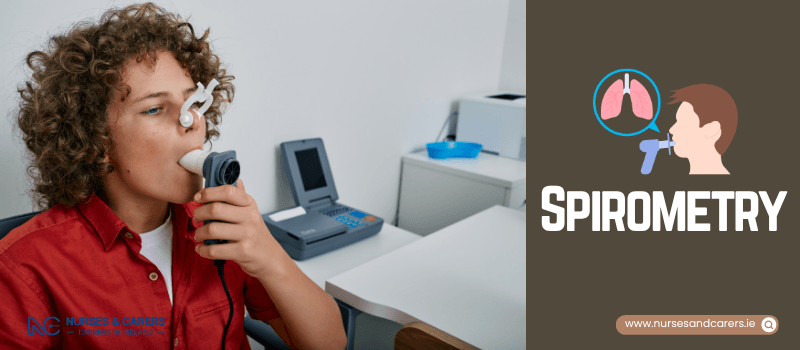
Spirometry is a diagnostic tool used to identify and evaluate various respiratory disorders, including asthma, chronic obstructive pulmonary disease (COPD), cystic fibrosis, and pulmonary fibrosis. The test requires you to breathe forcefully into a specialized device called a spirometer, which calculates the volume and speed of air moving through your lungs.
Here is the essential guide to understanding why you need the test, how to prepare, and what occurs during the procedure.
Indications for the Test
A hospital specialist or GP may refer you for a spirometry test at a clinical hub to investigate respiratory health.
Common reasons for a referral include:
Investigating persistent pulmonary symptoms, such as an ongoing cough or unexplained shortness of breath.
Assessing patients with a high risk of developing lung disease or those experiencing recurrent chest infections.
Evaluating current or former smokers for early signs of respiratory decline.
Determining the baseline severity of an established respiratory condition.
Monitoring ongoing medical treatment to judge its efficacy and adjust therapies.
Preparation Guidelines
Medication Adjustments
Consult your doctor prior to your appointment if you use inhalers, nasal sprays, antibiotics, or steroids. You may be instructed to temporarily pause certain medications to ensure accurate diagnostic data.
Pre-Test Restrictions
To prevent inaccurate results or physical distress during the assessment, adhere to these restrictions:
Do not smoke: Avoid tobacco or nicotine products for 24 hours before the test.
Avoid alcohol: Refrain from drinking alcoholic beverages for 24 hours before the appointment.
Limit exertion: Avoid strenuous exercise or intense physical activity for a few hours prior to the test.
Eat lightly: Avoid heavy or large meals for a few hours before your appointment to prevent abdominal discomfort.
Required Actions
Wear loose-fitting, comfortable clothing that allows your chest and abdomen to expand fully.
Carefully review all specific pre-test instructions detailed in your hospital appointment letter.
Arrive early at the clinic to ensure your breathing settles and becomes fully relaxed before testing begins.
What to Expect During the Procedure
A respiratory physiologist will conduct the evaluation. They will place a soft clip on your nose to seal the nostrils and prevent air leakage, ensuring all exhaled breath passes directly into the machine.
The Breathing Technique
The physiologist will direct you through the following steps:
Form a tight, continuous seal with your lips around the spirometer mouthpiece.
Inhale deeply and completely until your lungs are entirely filled with air.
Exhale as rapidly and forcefully as physically possible, continuing until your lungs are completely empty.
To secure a highly accurate and reliable diagnostic baseline, you will need to repeat this exact cycle at least three times. You can safely return to your routine daily activities immediately after the test concludes.
Bronchodilator Reversibility Testing
If your initial results show airway restriction, you may undergo a bronchodilator test. You will inhale a fast-acting airway-widening medication, wait 15 minutes for the drug to take effect, and then repeat the spirometry cycles to see if your lung function improves.
Understanding Results and Safety
Evaluating Your Data
Your specific airflow measurements are compared against standardized reference ranges calibrated for your exact age, height, and biological sex. Depending on these findings, your doctor may schedule additional lung function tests—sometimes on the very same day—to pinpoint the cause of your symptoms.
Risks and Medical Contraindications
Spirometry is highly safe for the vast majority of patients. However, the forced exhalation technique temporarily increases pressure inside your chest, abdomen, head, and eyes. While it causes no lasting side effects, you may briefly feel light-headed, dizzy, shaky, or fatigued.
Because of the temporary pressure spike, spirometry may not be safe if you have recently experienced or currently have:
Unstable angina or a recent heart attack
Uncontrolled or dangerously high blood pressure
Recent surgical operations involving the head, chest, abdomen, or eyes
The respiratory physiologist will conduct a thorough safety screening prior to testing to verify that the procedure is entirely safe for you.
Disclaimer
The information provided here is for educational and informational purposes only. It does not constitute medical advice, diagnosis, or treatment. Always consult a qualified healthcare professional or your GP for specific medical concerns, diagnoses, or health advice. Never disregard professional medical advice or delay seeking it because of information you have read here.