
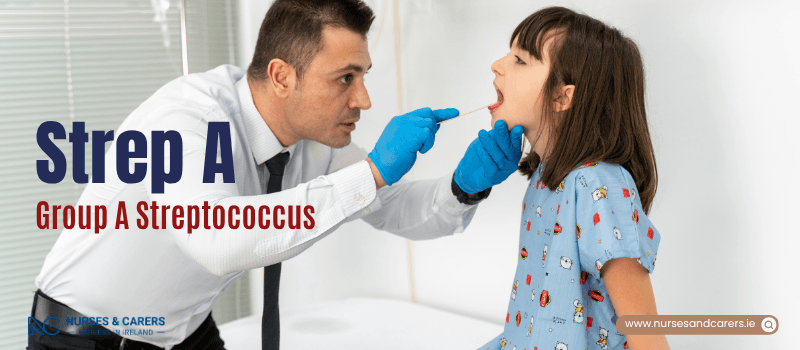
Strep A (Group A Streptococcus)
18 Sept 2026 · 5 min read
On this page12 sections
Group A Streptococcus (Strep A) is a highly common bacterium that frequently colonizes the throat or skin. While many individuals carry the bacteria harmlessly without exhibiting symptoms, it can cause mild respiratory and skin infections. In rare instances, Strep A can bypass the body's natural defenses to cause invasive Group A Streptococcal disease (iGAS), a severe and life-threatening medical emergency.
Here is the essential guide to identifying Strep A infections, managing symptoms safely, preventing transmission, and recognizing signs of invasive illness.
Transmission and Common Infections
Strep A is highly contagious and spreads primarily through close personal contact. The bacteria are transmitted via airborne respiratory droplets from coughs and sneezes, or through direct contact with an infected skin lesion or wound.
Even asymptomatic carriers can transmit the bacteria, though the risk of spreading the infection is significantly higher when an individual is actively unwell. Strep A typically targets the respiratory system, skin, and soft tissues, leading to:
Respiratory Illnesses: Tonsillitis and pharyngitis (strep throat).
Skin and Soft Tissue Infections: Scarlet fever (characterized by a distinct rash), impetigo, and cellulitis (deep skin infection which can occur anywhere, including the perianal region).
Note: The vast majority of sore throats and high temperatures are caused by viral infections, not Strep A.
Home Care and Antibiotic Treatment
Most mild symptoms can be initially managed at home using over-the-counter remedies to alleviate pain and reduce fever.
Symptom Relief: Liquid paracetamol or ibuprofen are effective at lowering fevers and soothing throat pain. Consult a healthcare provider or pharmacist for guidance on choosing the appropriate medication and approach for your child.
Antibiotic Therapy: If a GP suspects or confirms a Strep A infection, they may prescribe a targeted course of antibiotics.
Compliance Protocol: You should finish the entire prescribed antibiotic course as directed, even if you or your child feel completely better after a few days. Stopping early can allow the infection to return.
Isolation Window: To prevent community transmission, individuals diagnosed with an active Strep A infection should generally stay home and avoid nursery, school, creche, or work for the recommended initial period after starting antibiotic treatment.
Invasive Group A Strep (iGAS)
Invasive Group A Strep (iGAS) is a rare complication that occurs when the bacteria penetrate deep into muscles, fat tissue, or the bloodstream. It can cause extensive soft-tissue destruction, a drop in blood pressure, multiple organ failure, and sepsis.
High-Risk Demographics
Certain individuals are at a higher risk for iGAS:
Newborn infants under 28 days old
Adults aged 75 or older
Individuals who are pregnant at 37 weeks or more, or who have given birth within the last 28 days
Anyone recovering from a recent chickenpox infection
Signs and Symptoms of iGAS
Because symptoms can mimic other illnesses, patients should be monitored closely for indicators such as:
A persistent high temperature paired with severe muscle aches or intense pain localized near a skin wound.
Visible, spreading redness or swelling around a wound.
Sudden dizziness, confusion, or a flat red rash spreading over large areas of the body.
Unexplained vomiting or diarrhoea.
Prevention and Infection Control
There is currently no vaccine available to protect against Strep A, though vaccines exist for other severe illnesses. Implementing hygiene habits helps prevent infection:
Hand Hygiene: Wash hands thoroughly with soap and water frequently, especially after using the restroom and before handling food.
Respiratory Etiquette: Cover your mouth and nose with a tissue or your sleeve when coughing or sneezing, dispose of used tissues immediately, and wash your hands.
Personal Items: Avoid sharing personal items such as towels, facecloths, sponges, or razors.
Stay Home: Keep children home from school or childcare settings if they are exhibiting signs of an active infection.
Clinical and Hospital Safety
If hospitalized, precautions include:
Limiting physical contact with other patients and staying within designated areas.
Not sharing food, reading materials, or personal items with other individuals on the ward.
Ensuring visitors sanitize their hands properly and do not sit on patient beds.
Differentiating Levels of Medical Emergency
Gauging the severity of symptoms is critical. Seek professional evaluation if you have concerns.
Urgent GP Care Needed
Contact your GP or out-of-hours service urgently if your child exhibits signs such as:
Feeding, eating, or drinking significantly less than normal.
Showing signs of dehydration, such as a dry nappy for an extended period.
An infant under 3 months old running a temperature of 38°C or higher.
A child older than 3 months running a temperature of 39°C or higher.
Feeling unusually hot to the touch or sweating heavily.
Displaying extreme lethargy or persistent irritability.
Emergency Services Required
Call emergency services or go directly to the nearest hospital emergency department immediately if your child presents with:
Difficulty breathing, grunting noises, or the chest/tummy visibly sucking in under the ribs.
Noticeable pauses in breathing.
Skin, tongue, or lips taking on a blue tint.
Extreme lethargy where the child is floppy and will not wake up.
Disclaimer: This information is for general knowledge and should not be taken as medical advice. Consult with a healthcare professional regarding any symptoms, treatment, or health concerns for you or your child.
Disclaimer
The information provided here is for educational and informational purposes only. It does not constitute medical advice, diagnosis, or treatment. Always consult a qualified healthcare professional or your GP for specific medical concerns, diagnoses, or health advice. Never disregard professional medical advice or delay seeking it because of information you have read here.