
Stye
18 Sept 2026 · 4 min read
On this page9 sections
Styes are highly common, localized eyelid infections that typically resolve independently within one to two weeks. While they can be painful and uncomfortable until they heal completely, they are rarely an indicator of a serious underlying medical condition.
Here is the essential guide to identifying a stye, treating it safely at home, and taking steps to prevent a recurrence.
Identifying a Stye
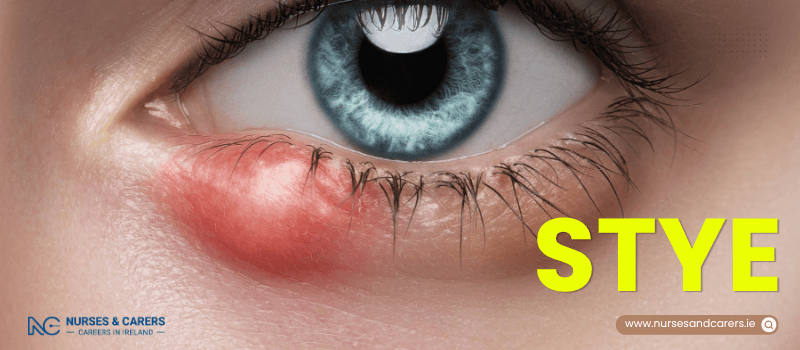
A stye presents as a small, painful lump located on the edge, inside, or surface of the eyelid.
Key clinical features include:
The surrounding skin is usually red, swollen, and features a localized collection of yellow pus at the center, closely resembling a pimple.
The affected eye may appear red and watery, though your core vision should remain unaffected. If the swelling is exceptionally large, your vision may briefly blur, but it should clear immediately when you blink or gently lift the eyelid.
Styes usually affect only one eye at a time, though it is physically possible to develop multiple styes simultaneously.
Alternative Conditions
Your eyelid issue is likely a different condition if:
There is no distinct lump: Severe swelling, generalized redness, and watery eyes without a localized bump point to conditions like conjunctivitis or blepharitis.
The lump is firm but painless: A hard, painless, or mildly tender nodule is more likely a chalazion (a blocked meibomian gland).
Home Management and Care
To significantly reduce inflammatory swelling and encourage the stye to heal safely, implement the following steps:
Apply a Warm Compress: Soak a completely clean facecloth in warm water. Wring out the excess moisture and press it gently against the closed eye for 5 to 10 minutes. Repeat this process 3 to 4 times a day. The targeted warmth liquifies the blocked material and draws the infection to a head.
Manage Localized Pain: Take over-the-counter pain relievers such as paracetamol or ibuprofen to alleviate discomfort. Never administer aspirin to children under 16 years of age.
Pause Eye Products: Strictly avoid wearing contact lenses or applying any eye make-up until the stye has fully burst, drained, and completely healed.
Important Safety Restriction
Do not attempt to burst, squeeze, or puncture a stye yourself, and do not pluck out an eyelash. Forcing a stye open manually breaks down cellular walls and can aggressively spread the bacterial infection deeper into the surrounding eyelid tissue.
When to Seek Medical Professional Evaluation
Non-Urgent GP Appointments
Schedule a consultation with your GP if you experience any of the following:
The stye becomes extraordinarily painful, or the swelling expands significantly across the face.
The lump fails to improve or show signs of healing after a few weeks.
The localized swelling physically impedes or alters your regular vision.
Clinical Treatments
If professional intervention is necessary, a doctor can safely manage the infection using sterile techniques. Your GP may choose to gently lance and drain the stye using a fine, sterilized needle, extract the specific eyelash closest to the infected follicle to allow drainage, or provide a direct referral to a hospital ophthalmology specialist for advanced care.
Prevention and Hygiene Protocols
Styes are primarily caused by common bacteria infecting a delicate eyelash follicle or a specialized eyelid gland. While styes are not directly contagious, the underlying bacteria can be transferred. If your eye is irritated, always wash your hands thoroughly after touching your face and avoid sharing linen. You are also at a higher baseline risk for styes if you suffer from chronic blepharitis (eyelid inflammation).
Maintain strict daily hygiene habits to prevent future blockages:
Cleanse your face daily: Wash your face regularly with gentle, clean water.
Maintain eyelid hygiene: Keep your eyelashes and eyelid margins thoroughly clean, especially if you have been diagnosed with blepharitis.
Remove make-up: Always completely remove eye make-up before going to sleep at night.
Rotate cosmetic products: Discard and replace your eye make-up products every 6 months to prevent bacterial colonization.
Do not share linens: Avoid sharing towels, flannels, or facecloths with someone who has an active eye irritation.
Avoid eye rubbing: Keep your hands away from your eyes unless you have just washed them with soap and warm water.
Practice safe lens care: Always wash and dry your hands thoroughly before inserting or removing contact lenses.
Disclaimer
The information provided here is for educational and informational purposes only. It does not constitute medical advice, diagnosis, or treatment. Always consult a qualified healthcare professional or your GP for specific medical concerns, diagnoses, or health advice. Never disregard professional medical advice or delay seeking it because of information you have read here.