
Sunburn
18 Sept 2026 · 3 min read
On this page10 sections
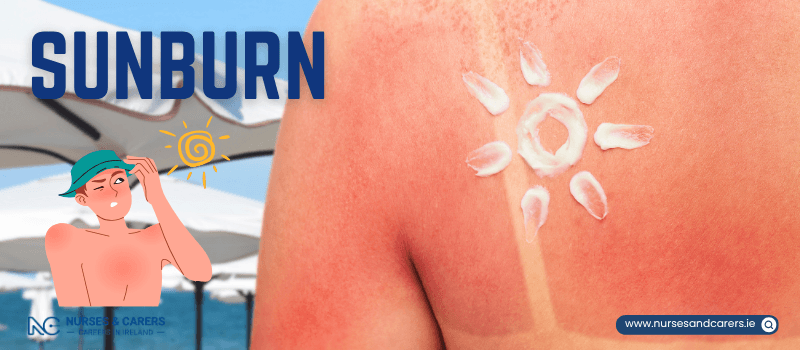
Sunburn is an acute inflammatory response of the skin caused by overexposure to ultraviolet (UV) radiation from natural sunlight or artificial tanning beds. It results in hot, tender, painful, and swollen skin. While mild cases can be managed effectively at home, severe sunburn presents systemic health risks and requires professional medical evaluation.
Here is the essential guide to identifying sunburn across skin types, administering safe at-home relief, and recognizing warning signs of serious complications.
Presentation and Long-Term Risks
The appearance of sunburn varies depending on your natural skin tone:
Light or Fair Skin: The skin typically turns visibly pink or red, feels uncomfortably hot to the touch, and becomes highly sensitive.
Black or Brown Skin: You may not notice any visible change in your skin's color, but the tissue will still feel hot, deeply tender, swollen, and tight.
Long-Term Health Implications
Sunburn causes structural damage to skin cells. Experiencing sunburn significantly elevates your lifetime risk of developing skin cancer (including melanoma) and causes premature skin aging, leading to early wrinkling and loss of elasticity.
Home Care and Relief Strategies
Sunburnt skin frequently begins to flake or peel after a few days as the damaged top layer sheds. Most cases resolve completely within 7 days. Adhering to strict dosing and safety protocols will alleviate pain and support safe healing.
What to Do
Seek shade immediately: Move indoors or into complete shade the moment you suspect your skin is burning.
Cool the skin: Take a cool shower or bath, or apply a clean, damp towel to the area. Monitor infants and young children closely to ensure they do not become too cold.
Apply targeted topicals: Apply a fragrance-free, unscented moisturizer, after-sun lotion, or pure aloe vera gel. Storing the product in the refrigerator prior to application provides enhanced cooling relief.
Hydrate heavily: Drink extra water throughout the day to replenish systemic fluids and actively prevent dehydration.
Manage inflammation: Take over-the-counter pain relievers such as paracetamol or ibuprofen to reduce swelling and ease localized pain.
Shield the area: Keep the affected skin completely covered and protected from direct sunlight until the tissue has fully healed.
What to Avoid
Avoid heavy ointments: Do not apply petroleum jelly (Vaseline), butter, or oil-based products. These create an occlusive barrier that traps heat inside the skin, worsening the burn.
Do not use ice: Avoid pressing ice cubes or frozen ice packs directly onto sunburnt skin, as extreme cold can cause secondary tissue damage.
Leave blisters intact: Do not pop, puncture, or scratch fluid-filled blisters. Blisters form a sterile barrier to protect the raw tissue underneath; breaking them open creates a direct pathway for bacterial infection.
Do not peel skin: Avoid scratching or forcefully pulling away peeling skin. Let it shed naturally.
Wear loose clothing: Avoid tight-fitting garments that rub against or constrict the inflamed skin.
Professional Medical Support
Consult a Pharmacist
Your pharmacist can evaluate your burn and recommend targeted over-the-counter treatments. They can advise on appropriate topical products, such as mild topical steroid creams, to help manage localized inflammation and discomfort.
Non-Urgent GP Appointments
Contact your GP or seek medical advice promptly if you experience any of the following:
The sunburnt skin develops extensive blistering or severe, widespread swelling.
You run a very high temperature, experience chills, or feel hot and shivery.
You develop systemic symptoms, such as extreme fatigue, dizziness, light-headedness, or severe nausea.
You experience a severe headache paired with painful muscle cramps (early indicators of heat exhaustion).
A baby or young child under your care develops sunburn.
Critical Complications
Severe, untreated UV exposure can rapidly transition into heat exhaustion or heatstroke, severe clinical dehydration, or secondary bacterial skin infections. These conditions are medical emergencies that require immediate hospital care.
Disclaimer
The information provided here is for educational and informational purposes only. It does not constitute medical advice, diagnosis, or treatment. Always consult a qualified healthcare professional or your GP for specific medical concerns, diagnoses, or health advice. Never disregard professional medical advice or delay seeking it because of information you have read here.