
Swollen Ankles, Feet and Legs (Oedema)
18 Sept 2026 · 4 min read
On this page11 sections
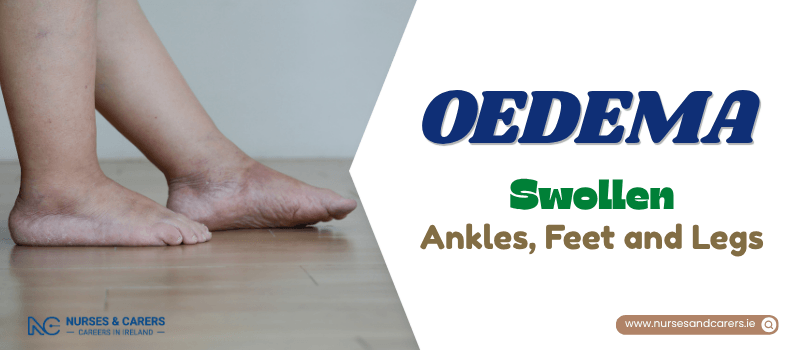
Peripheral swelling, clinically known as oedema, occurs when a build-up of fluid collects within the tissue of your ankles, feet, or legs. While localized swelling is incredibly common and often resolves on its own, chronic, painful, or sudden swelling can indicate a more serious underlying systemic condition requiring professional medical evaluation.
Here is the essential guide to identifying oedema, understanding its common and complex causes, and implementing safe home care.
Identifying the Symptoms of Oedema
You can recognize peripheral fluid retention by checking for these distinct physical signs:
Ankles, feet, or legs that look noticeably swollen, puffy, or enlarged.
Skin over the swollen area that appears tight, stretched, unusually shiny, or red.
A temporary indent or dimple that remains in the skin after you press firmly on the swollen area for a few seconds (known as pitting oedema).
Primary and Complex Causes
Oedema is a symptom rather than an independent disease, arising from daily habits, medication side effects, or structural complications.
Common Everyday Triggers
Prolonged Immobility: Sitting or standing in a fixed position for extended periods, which allows fluid to pool in the lower limbs due to gravity.
Dietary Factors: Consuming foods containing excessively high levels of sodium (salt), which prompts the body to retain fluids.
Weight and Gestation: Carrying excess body weight (obesity) or being pregnant, both of which increase structural pressure on lower-body circulation.
Pharmaceutical Side Effects: Ingesting certain regular medications, including specific blood pressure drugs (like calcium channel blockers), oral contraceptive pills, corticosteroids, or antidepressants.
More Serious Medical Triggers
Oedema can also serve as an indicator of an acute localized issue or an underlying organ failure, including:
A physical trauma or injury, such as a severe sprain, strain, or broken bone.
An localized allergic reaction to an insect bite or sting.
An active, deep skin infection (such as cellulitis).
A deep vein thrombosis (DVT), which is a dangerous blood clot restricting venous return in the leg.
Advanced problems or functional decline involving your kidneys, liver, or heart.
Safe At-Home Management Strategies
If your swelling has accumulated gradually and you do not have any severe accompanying symptoms, you can assist fluid drainage using these daily habits:
What to Do
Elevate the Limbs: Lie down and use pillows to raise your swollen legs above the level of your heart whenever you rest.
Engage in Gentle Movement: Perform low-impact exercises, such as a brisk walk, to activate your calf muscles and pump fluid back up your body.
Wear Appropriate Footwear: Switch to wide, supportive, and comfortable shoes equipped with soft soles and low heels to prevent structural compression.
Maintain Skin Care: Wash, dry, and moisturize your lower legs and feet daily. Stretched skin is fragile and prone to cracking, which opens entry points for bacterial infections.
What to Avoid
Do not remain stationary: Avoid standing or sitting in one place for long blocks of time. Stretch and move your ankles regularly.
Avoid restrictive clothing: Do not wear tight trousers, constrictive socks, or narrow footwear that can cut off your local circulation.
When to Seek Medical Professional Evaluation
Non-Urgent GP Appointments
Schedule an appointment with your GP if your lower limb swelling persists and matches any of the following parameters:
The swelling is strictly asymmetrical, affecting only one leg, ankle, or foot with no clear injury or trigger.
The swelling is severe, causes significant pain, or began very suddenly.
The swollen area looks visibly red or feels uncomfortably hot to the touch (early signs of an infection or a DVT).
The swelling is accompanied by a high fever (38°C or above) or you experience full-body chills.
You have underlying diabetes, as foot swelling significantly escalates your risk for deep tissue ulcers.
The fluid retention fails to improve after several days of consistent home care, or it continues to worsen.
To treat persistent oedema, your doctor will isolate the root cause. This may involve shifting your medications, investigating organ health, or introducing clinical protocols like a low-sodium diet, compression garments, or targeted weight management support.
Emergency Medical Attention
Call emergency services (112 or 999) or go directly to the nearest hospital emergency department immediately if your leg swelling is paired with:
A sudden shortness of breath or extreme difficulty breathing.
A sudden feeling of tightness, heavy pressure, or sharp pain in your chest.
These are critical warning signs that a blood clot from your lower limb may have detached and traveled straight to your lungs, causing a life-threatening pulmonary embolism.
Disclaimer
The information provided here is for educational and informational purposes only. It does not constitute medical advice, diagnosis, or treatment. Always consult a qualified healthcare professional or your GP for specific medical concerns, diagnoses, or health advice. Never disregard professional medical advice or delay seeking it because of information you have read here.