
Tennis Elbow
18 Sept 2026 · 6 min read
On this page17 sections
Overview and Symptoms
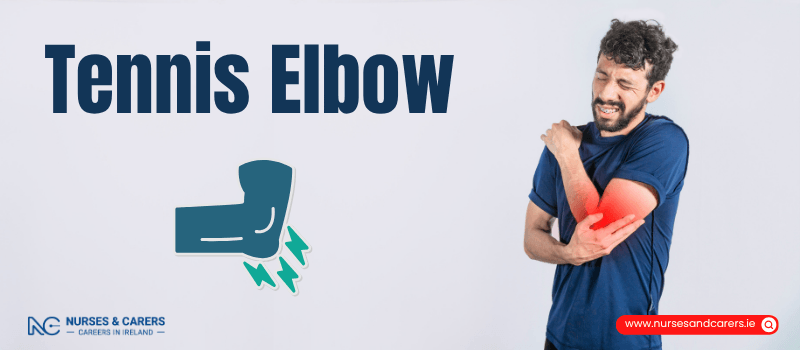
Tennis elbow—medically known as lateral epicondylitis—is a common condition that causes pain and tenderness around the outside of the elbow. It is the most frequent cause of persistent elbow pain, primarily affecting individuals between the ages of 35 and 54.
While it can take anywhere from 6 months to 2 years to completely resolve, most people make a full recovery within 1 year.
Recognising the Symptoms
The primary sign of tennis elbow is pain and localized tenderness on the bony lump on the outside of your elbow. This discomfort can radiate down into your forearm and the back of your hand.
The pain ranges from mild discomfort during activity to severe pain even when the arm is completely at rest. It typically worsens when you:
Lift or bend your arm.
Fully extend or straighten your arm.
Grip small objects, such as a pen.
Twist your forearm (e.g., turning a door handle or opening a jar).
Common Causes
Tennis elbow is caused by the overuse or repetitive strain of the forearm muscles used to straighten your wrist. This repetitive stress causes tiny tears and subsequent inflammation near the lateral epicondyle (the bony lump on the outside of the elbow).
Despite its name, tennis is only responsible for a small number of cases. It can be triggered by any activity that involves:
Twisting the wrist.
Bending the elbow.
Straining the forearm muscles.
A sudden impact or minor trauma, such as banging your elbow.
Note: Similar pain that occurs on the inner side of the elbow is known as golfer's elbow. It is possible to experience both conditions simultaneously.
When to Consult a Medical Professional
Disclaimer: This information is for educational purposes and should not replace professional medical assessment. Always consult a healthcare provider for an accurate diagnosis.
If your elbow pain does not improve after a few days of resting the joint, contact your GP.
During an examination, your GP may check for swelling and ask you to perform simple movements, such as flexing your wrist or stretching your fingers while keeping your arm straight. If nerve damage is suspected, they may refer you for advanced diagnostics, including:
An ultrasound scan
An MRI scan
Nerve conduction studies (to measure electrical signals through the nerve)
First-Line Treatment and Relief
Tennis elbow often improves over time without aggressive medical intervention. Immediate self-care steps include:
Rest: Stop the specific activities that trigger the pain.
Cold Therapy: Apply a cold compress or a bag of frozen peas wrapped in a towel to the elbow for a few minutes, several times a day.
Pain Management: Consult a healthcare provider or pharmacist regarding the appropriate use of over-the-counter painkillers, such as paracetamol, to manage discomfort.
If the pain persists despite rest, your GP may recommend a referral for physiotherapy.
Prevention Tips
To prevent tennis elbow or stop it from returning, focus on reducing the mechanical stress on your forearm muscles:
Do | Modify Equipment & Technique |
|---|---|
Stop the activity immediately if you feel pain. | Use your entire arm rather than just your wrist or elbow when lifting. |
Warm up and stretch your arm muscles before sports. | Wear a supportive brace or splint during periods of arm use. |
Strengthen forearm muscles with targeted exercises. | Use lightweight tools or sports rackets with a larger grip size. |
Treating Tennis Elbow: Recovery and Care
Tennis elbow often resolves naturally over time, with most individuals achieving a full recovery within one year. However, the recovery timeline varies and can last anywhere from 6 months to 2 years. The foundational element of recovery is resting the affected arm and stopping the activity that triggers the pain.
First-Line Self-Care and Pain Relief
Activity Modification
Rest: Cease activities that place stress on your forearm muscles and tendons.
Workplace adjustments: If the injury is caused by work tasks, discuss modifying your duties with your employer until your symptoms improve.
Symptom Management
Cold Therapy: Apply a cold compress or a towel-wrapped bag of frozen peas to the elbow several times a day.
Oral Pain Relief: Over-the-counter painkillers like paracetamol can ease mild discomfort.
Anti-Inflammatories (NSAIDs): Medications like ibuprofen help reduce inflammation. These are available as oral tablets or topical creams and gels applied directly to the skin. Topical NSAIDs target localized pain effectively with a lower risk of systemic side effects. Some stronger formulations require a prescription.
Physiotherapy and Physical Support
If elbow pain is persistent, a GP may recommend a referral for physiotherapy. A physiotherapist can provide:
Manual Therapy: Massage and joint manipulation to enhance blood flow and reduce stiffness.
Targeted Exercise: Personalized movement routines to practice at home.
Supportive Wear: Short-term use of a brace, strapping, support bandage, or splint to protect the tendon.
Advanced and Injectable Therapies
When standard care fails to provide relief, specialized injections may be considered:
Platelet-Rich Plasma (PRP) Injections: Performed in a hospital setting, a doctor processes your own blood sample to concentrate the tissue-repairing platelets. These platelets are then injected back into the damaged tendon, often under ultrasound guidance, to potentially accelerate healing. Longitudinal data on long-term effectiveness is still developing.
Steroid Injections: Synthetic cortisol injections are no longer routinely used for tennis elbow because they only offer short-term pain relief rather than a long-term cure. They are occasionally prescribed to temporarily reduce pain so a patient can participate in physiotherapy. Injections are spaced 3 to 6 months apart, with a maximum limit of 2 to 3 injections in the same area.
Surgical Intervention
Disclaimer: This information is for general educational purposes. Always consult a healthcare professional to evaluate your symptoms and determine the safest clinical treatment plan.
Surgery is reserved for severe, persistent cases where all non-invasive treatments have failed.
Procedure: A surgeon removes the damaged section of the tendon using either an open surgical approach or arthroscopic (keyhole) surgery.
Outcomes: Full recovery after surgery can take several months. Patients should be aware that pain may still persist in some cases following the procedure.
Disclaimer
The information provided here is for educational and informational purposes only. It does not constitute medical advice, diagnosis, or treatment. Always consult a qualified healthcare professional or your GP for specific medical concerns, diagnoses, or health advice. Never disregard professional medical advice or delay seeking it because of information you have read here.