
Shin Splints
18 Sept 2026 · 2 min read
On this page5 sections
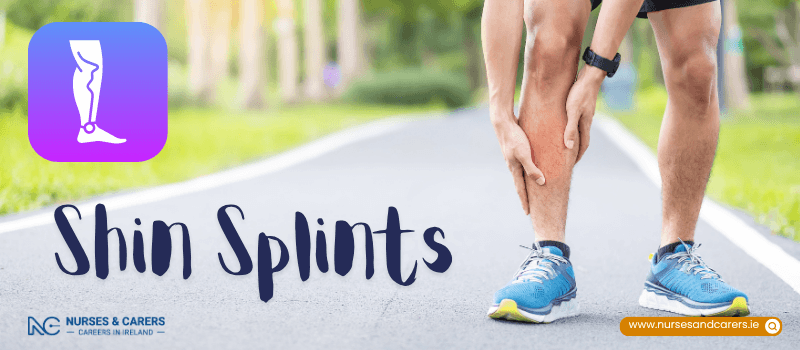
Shin splints cause exercise-induced pain and tenderness along the front of your lower leg between the knee and ankle. They are not serious and usually heal within a few weeks with proper self-care.
Immediate Action Plan
Accelerate your recovery and manage discomfort by adjusting your routine:
Take pain relief: Use paracetamol or ibuprofen to reduce aches.
Apply cold therapy: Rest an ice pack wrapped in a towel on your shin for 20 minutes every 2 to 3 hours.
Stop the trigger: Cease the specific high-impact exercise that caused the injury.
Switch to low-impact: Maintain fitness with gentle activities like swimming or yoga.
Long-Term Prevention
Prevent future flare-ups by modifying how and where you train:
Upgrade your footwear: Wear supportive trainers that correctly fit your feet.
Modify your surface: Exercise on grass or soft ground instead of hard pavement.
Prepare your muscles: Always warm up before workouts and stretch thoroughly afterwards.
Progress gradually: Rebuild your exercise routine slowly instead of rushing to your previous intensity.
When to Seek Medical Advice
Contact your General Practitioner (GP) if:
Home treatments show no improvement after 1 week
The shin pain becomes severe or progressively worsens
The pain is the direct result of a traumatic injury to the shin
Note: A GP will evaluate your symptoms and examine your leg. If healing is delayed, they may refer you to a physiotherapist for structured rehabilitation.
Primary Risk Factors
Shin splints occur when you place excessive stress on your lower legs, most commonly during activities like running or jumping. Your risk increases if you:
Resume intense workouts after a prolonged period of inactivity
Frequently train or jump on hard surfaces
Exercise with improper running technique
Disclaimer
The information provided here is for educational and informational purposes only. It does not constitute medical advice, diagnosis, or treatment. Always consult a qualified healthcare professional or your GP for specific medical concerns, diagnoses, or health advice. Never disregard professional medical advice or delay seeking it because of information you have read here.