
Sprains and Strains
18 Sept 2026 · 3 min read
On this page11 sections
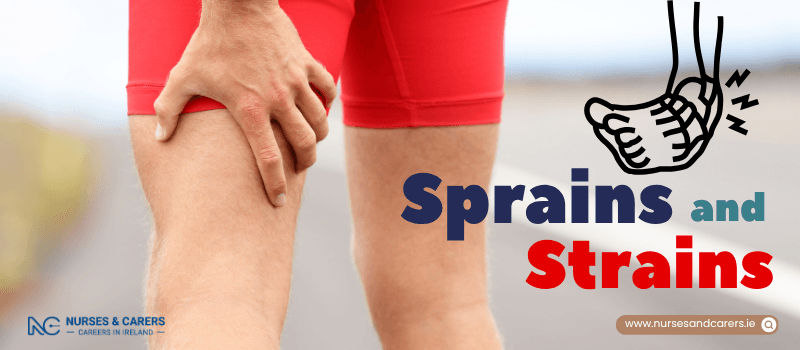
Sprains and strains are highly common musculoskeletal injuries affecting the muscles and ligaments. Most mild to moderate cases can be managed effectively at home without a GP visit, though severe injuries require professional medical evaluation.
Here is the essential guide to identifying these injuries, administering proper first aid, and recognizing when to seek urgent care.
Identifying the Injury
While sprains and strains share similar symptoms—such as localized pain, tenderness, weakness, swelling, bruising, and restricted mobility—they involve entirely different anatomical structures:
Sprain: A stretch or tear in a ligament, which is the tough tissue connecting bones together at a joint. These occur most frequently in the ankles, wrists, thumbs, and knees.
Strain: An overstretched or torn muscle or tendon, often referred to as a pulled muscle. Strains frequently cause involuntary muscle spasms or cramping and commonly affect the back, legs, knees, and feet.
Home Care: The RICE Protocol
For the first 48 to 72 hours following an injury, follow the RICE protocol to minimize swelling and protect the joint or muscle:
Rest: Halt all exercise and physical activities. Avoid placing any weight or stress on the injured area.
Ice: Apply an ice pack wrapped in a towel to the injury for up to 20 minutes every 2 to 3 hours. Never apply ice directly to bare skin.
Compression: Wrap the injured area firmly with a supportive bandage to compress the swelling, ensuring it is not wrapped tightly enough to restrict blood flow.
Elevate: Keep the injured limb raised on pillows above the level of your heart as much as possible.
What to Avoid Initially
To prevent increased inflammation, avoid heat sources (such as hot baths or heat packs), alcohol consumption, and targeted massages for the first few days.
Returning to Movement
Once the acute pain subsides, gently move the joint or muscle through its comfortable range of motion. Early, pain-free movement prevents long-term joint stiffness.
Pharmacy Support and Healing Timelines
Over-the-Counter Medication Advice
Your pharmacist can recommend topical pain-relief creams or oral options like paracetamol. While ibuprofen reduces swelling, do not take ibuprofen for the first 48 hours after the injury, as early use can potentially delay the body's natural tissue healing process.
Recovery Expectations
Minor Injuries: Most standard sprains and strains feel significantly better within 2 weeks.
Activity Restrictions: Avoid strenuous activities or high-impact sports like running for up to 8 weeks to avoid re-injury.
Severe Cases: Severe tears can take several months to fully regain normal strength and function.
When to Seek Medical Professional Evaluation
Non-Urgent GP Appointments
Consult your doctor if you experience any of the following:
Severe pain that deteriorates over time.
Extensive or worsening swelling and bruising.
An inability to bear weight on the limb or severe joint stiffness.
No noticeable improvement after a few days of home treatment.
The injury is accompanied by a very high temperature or fever.
Your GP can prescribe stronger pain relief, refer you to a physiotherapist, or direct you to a hospital or minor injury unit for a diagnostic X-ray.
Emergency Medical Attention
Go directly to the nearest emergency department or minor injury unit immediately if:
You heard or felt a distinct "crack" or snap at the moment of injury.
The affected limb or joint has visibly changed shape or rests at an abnormal angle.
The skin surrounding the injury turns pale, blue, or grey.
The injured area feels completely numb or cold to the touch.
These are critical warning signs of a potential bone fracture or compromised blood circulation that requires an immediate X-ray evaluation.
Disclaimer
The information provided here is for educational and informational purposes only. It does not constitute medical advice, diagnosis, or treatment. Always consult a qualified healthcare professional or your GP for specific medical concerns, diagnoses, or health advice. Never disregard professional medical advice or delay seeking it because of information you have read here.