
The Tdap Booster Vaccine
18 Sept 2026 · 2 min read
On this page10 sections
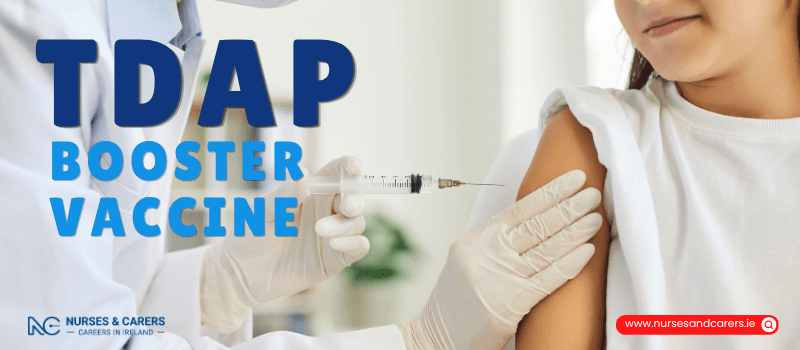
Children receive vaccines for tetanus, diphtheria, and pertussis (whooping cough) as infants and during junior infants. Because this immunity weakens over time, a Tdap booster dose is offered during the first year of secondary school to restore long-term protection.
Who Should Get the Vaccine?
First-Year Students: The vaccine is free for all first-year secondary school students through the School Vaccination Programme.
Alternative Schooling: Students attending special schools or those who are home-schooled are also fully eligible.
Missed Doses: If a child misses the school vaccination clinic, parents can arrange an appointment by contacting the local immunisation office's school vaccination team.
Pregnant Individuals: The Tdap vaccine is also recommended during every pregnancy to protect the newborn baby from whooping cough.
Administration and Combined Vaccines
Delivery: The Tdap vaccine is given as a single injection, typically in the upper arm.
Co-administration: First-year students usually receive the Tdap booster during the same school visit as their HPVand MenACWY vaccines.
Safety and Medical Restrictions
Who Should Not Get It?
Medical exemptions are very rare. A child should not receive the Tdap vaccine if they have had a severe allergic reaction (anaphylaxis) to:
A previous dose of any tetanus, diphtheria, or pertussis vaccine.
Any specific ingredient contained within the Tdap vaccine.
Safety Record
The specific vaccine used in the school programme is called Boostrix. It has a strong, established safety record globally. In Ireland, its safety is continuously monitored by the Health Products Regulatory Authority (HPRA) and the European Medicines Agency (EMA).
Side Effects and Management
Most side effects are mild, harmless, and resolve within 24 to 48 hours.
Common Symptoms
Local reactions: Pain, redness, swelling, or hardness at the injection site.
Systemic reactions: Fever, headache, tiredness, or irritability.
Digestive issues: Nausea, vomiting, diarrhoea, or loss of appetite.
Disclaimer: This information is for general knowledge and should not be taken as medical advice. Consult with a healthcare provider before administering any medication or managing vaccine side effects.
Care and Treatment
If your child experiences discomfort or a fever following vaccination, you can consult a healthcare provider regarding the use of over-the-counter medications such as paracetamol or ibuprofen, and always adhere to professional guidance on product usage.
Severe allergic reactions are exceptionally rare. School immunisation staff are fully trained and equipped to treat immediate allergic reactions on-site.
Disclaimer
The information provided here is for educational and informational purposes only. It does not constitute medical advice, diagnosis, or treatment. Always consult a qualified healthcare professional or your GP for specific medical concerns, diagnoses, or health advice. Never disregard professional medical advice or delay seeking it because of information you have read here.