
Tonsillitis
18 Sept 2026 · 3 min read
On this page14 sections
Overview and Symptoms
Tonsillitis is an inflammation of the tonsils at the back of the throat. While it is a common childhood illness, teenagers and adults can contract it as well.
Most cases are caused by a viral infection, which must simply run its course. Antibiotics are ineffective against viral tonsillitis. Symptoms typically improve and clear up naturally within 3 to 4 days.
Recognising the Symptoms
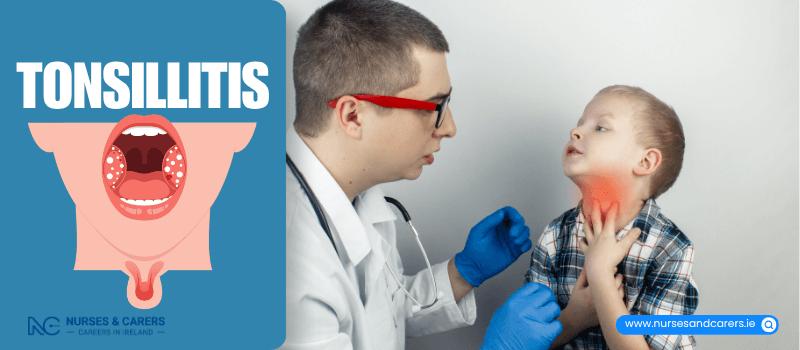
Tonsillitis often mimics a severe cold or flu. Visually, the tonsils at the back of the throat will appear red and swollen.
Main Symptoms
A severe sore throat and difficulty swallowing.
A high temperature (fever) of 38°C or above.
A hoarse voice or temporary loss of voice.
Coughing, headache, and feeling sick (nausea).
Earache and general tiredness.
Severe Symptoms
Swollen, painful lymph glands in the neck (feeling like lumps on the side of the neck).
White, pus-filled spots visible on the tonsils.
Persistent bad breath.
At-Home Care and Symptom Management
To ease discomfort while the infection clears, you can use the following self-care measures:
Rest: Get plenty of bed rest to help your body fight the infection.
Fluids: Drink cool liquids to soothe throat raw irritation.
Pain Relief: Use over-the-counter paracetamol or ibuprofen to reduce fever and ease throat pain. Important:Never give aspirin to children under the age of 16.
Saltwater Gargle (Adults Only): Dissolve half a teaspoon of salt in a glass of warm water. Gargle the solution at the back of the throat and spit it out. Repeat as needed. Do not let younger children attempt this.
Preventing the Spread
To avoid passing the virus or bacteria to others, stay home from work or keep your child out of school until feeling better. Always cough or sneeze into a tissue, discard it immediately, and wash your hands thoroughly.
The Role of the Pharmacist
A pharmacist is an excellent initial resource for managing tonsillitis symptoms. They can recommend targeted over-the-counter remedies to numb or soothe a sore throat, including:
Medicated lozenges
Anaesthetic throat sprays
Antiseptic throat solutions
When to Consult a Medical Professional
Disclaimer: This information is for general guidance and should not replace professional medical evaluation. Always consult a healthcare provider for an accurate diagnosis and treatment plan.
Schedule a Non-Urgent GP Appointment if:
· You or your child develop white, pus-filled spots on the tonsils.
· The throat pain is so intense that it is difficult to eat or drink.
· The symptoms do not show signs of improvement after 4 days.
What to Expect at the GP Office
Your doctor will look down your throat and review your symptoms. They may use a sterile cotton swab to take a sample from the back of the throat to test for a bacterial infection. They might also order a blood test to rule out glandular fever. Results generally return within a week. If a bacterial infection is confirmed, your GP may prescribe a course of antibiotics.
Surgical removal of the tonsils (a tonsillectomy) is exceptionally rare and is only considered for severe, chronic cases that keep returning.
Potential Complications
Complications are very rare and primarily affect children aged 2 to 4. A primary complication is quinsy (a peritonsillar abscess), which is a painful collection of pus that forms between a tonsil and the wall of the throat. This is typically treated with antibiotics, though a specialist may occasionally need to drain the pus.
Seek Urgent Medical Care or Go to the Emergency Department (ED) if:
· A severe sore throat worsens very rapidly.
· You or your child experience difficulty breathing.
· You have severe difficulty swallowing liquids or your own saliva.
· It becomes difficult to speak or open the mouth.
Disclaimer
The information provided here is for educational and informational purposes only. It does not constitute medical advice, diagnosis, or treatment. Always consult a qualified healthcare professional or your GP for specific medical concerns, diagnoses, or health advice. Never disregard professional medical advice or delay seeking it because of information you have read here.