
Transient Ischaemic Attack (TIA)
18 Sept 2026 · 17 min read
On this page16 sections
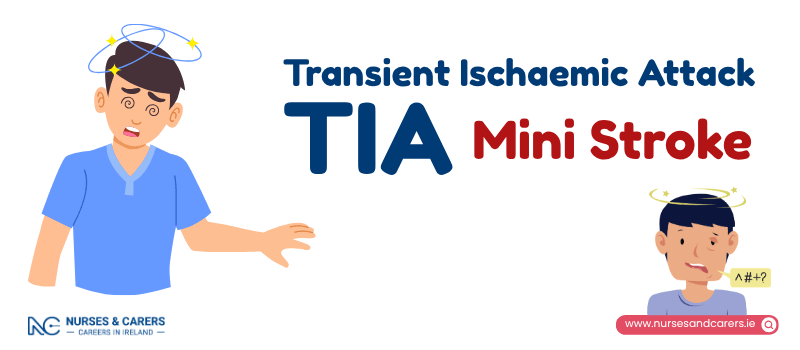
A transient ischaemic attack (TIA), commonly referred to as a "mini stroke," is a temporary disruption in the blood supply to a part of the brain. This restriction deprives brain tissue of essential oxygen, leading to sudden neurological symptoms similar to a full stroke.
Unlike a stroke, the blockage in a TIA is temporary and the effects resolve within 24 hours, often lasting only a few minutes to a few hours. However, a TIA serves as a serious warning sign that a person is at high risk of experiencing a full stroke in the near future.
Recognising the Symptoms: The FAST Check
During the initial stages of an attack, it is impossible to clinically distinguish between a TIA and a full stroke. A TIA can only be diagnosed after the symptoms have completely cleared. If the symptoms persist, it is classified as a stroke.
The primary symptoms should be evaluated immediately using the FAST acronym:
F – Face: One side of the person’s face may droop or feel numb. They may be unable to smile, or their mouth or eye may appear noticeably dropped.
A – Arms: The person may experience weakness or numbness in one arm, making them unable to lift both arms and keep them raised.
S – Speech: Speech may be slurred, garbled, or completely absent, even if the person appears fully awake. They may also struggle to understand what is being said to them.
T – Time: It is time to call emergency services immediately if any of these signs appear.
Emergency Action Required: Call 112 or 999 immediately for an ambulance if you or someone else experiences FAST signs or any other acute symptoms, including:
· Complete inability to move one side of the body.
· Sudden vision loss, blurred vision, or double vision.
· Severe dizziness, loss of balance, coordination problems, or vertigo.
· Sudden confusion or difficulty understanding conversation.
· Difficulty swallowing (dysphagia) or feeling physically sick.
Causes and High-Risk Factors
A TIA occurs when a blood vessel supplying oxygen-rich blood to the brain becomes temporarily obstructed. This acute blockage is most frequently caused by a blood clot, but it can also be triggered by a piece of fatty plaque or an air bubble.
Modifiable Risk Factors
Smoking or regular tobacco use.
High blood pressure (hypertension) and high cholesterol.
Obesity and a lack of physical activity.
Regularly consuming excessive amounts of alcohol.
Poorly managed diabetes.
Medical and Non-Modifiable Risks
Atrial Fibrillation: A type of irregular heart rhythm that encourages blood clots to form.
Vascular Issues: Carotid artery disease or a recent neck injury.
Demographics: Being over the age of 55, or being of Asian, African, or Caribbean descent.
Clinical Treatment and Prevention
Disclaimer: This text is intended for general educational use. A TIA is a time-critical medical emergency. Always seek immediate emergency hospital assessment rather than self-managing symptoms.
Even if symptoms disappear completely before medical help arrives, immediate specialist evaluation is required to lower the risk of a future stroke. Treatment plans are tailored to your age and medical background, generally combining medication, lifestyle changes, or surgical options:
Common Medications
Antiplatelets / Anticoagulants: Clot-preventing medications, such as low-dose aspirin, to stop new clots from forming.
Antihypertensives: Medications to lower and stabilize high blood pressure.
Statins: Cholesterol-lowering drugs to prevent fatty buildup in the arteries.
Surgical Intervention
If diagnostic scans show a severe blockage in the main blood vessels supplying your brain, a surgical procedure known as a carotid endarterectomy may be performed to clean out and unblock the carotid arteries.
Long-Term Preventive Measures
You can drastically reduce your risk of a recurring TIA or a full stroke by introducing daily heart-healthy habits:
Maintain a healthy, stable body weight.
Eat a balanced diet low in saturated fats and salts.
Engage in regular physical exercise.
Stop smoking completely and strictly limit alcohol consumption.
Recognising the Symptoms of a TIA
The signs and symptoms of a transient ischaemic attack (TIA) are identical to those of a full stroke. They strike suddenly—often within a few seconds—but are temporary, lasting for just a few minutes or hours.
Knowing how to spot these signs is vital, especially if you care for someone in a high-risk category, such as an older adult with an irregular heartbeat (atrial fibrillation), diabetes, or high blood pressure
The FAST Symptom Checklist
The main symptoms of a TIA or a stroke can be easily remembered using the acronym FAST F – Face: One side of the face may droop. The person might be unable to smile, or their mouth or eye may appear noticeably uneven or droopy on one side
A – Arms: The person may experience sudden weakness or numbness in one arm. They may be unable to lift both arms or keep them raised
S – Speech: Their speech may sound slurred, garbled, or they may be completely unable to speak despite being wide awake. They may also struggle to comprehend what you are saying to them.
T – Time: It is time to act immediately. Call emergency services straight away if you witness any of these signs.
Other Sudden Symptoms
A TIA can also cause other neurological symptoms that appear without warning. These include:
A complete inability to move one side of the body.
Sudden vision loss, blurred vision, or double vision.
Severe dizziness, a spinning sensation (vertigo), or a loss of balance and coordination .
Sudden confusion or difficulty understanding what others are saying.
Difficulty swallowing (dysphagia) or feeling physically sick.
When to Seek Immediate Medical Action
Disclaimer: This text is intended for general health education. A TIA is a time-critical medical emergency. Never wait to see if symptoms pass before seeking professional clinical evaluation.
🚨 Emergency Action Required: Call 112 or 999 immediately to request an ambulance if you or someone else displays any symptoms of a TIA or stroke
Why Immediate Assessment is Crucial
Indistinguishable at Onset: In the early stages of an attack, it is impossible for you or a paramedic to tell if you are experiencing a TIA or a life-altering, full-scale stroke .
Early Medication: If emergency medical staff suspect a TIA, they may administer an immediate dose of aspirin to help stop blood clots from growing and to prevent a full stroke.
A Vital Warning Sign: Even if the symptoms disappear entirely while you are waiting for help, you still require an urgent hospital assessment. A TIA is a critical warning that you are at high risk of a future stroke. Hospital doctors must run tests to determine the safest treatment plan to protect your health
Note: If you suspect you had a TIA in the past but the symptoms passed and you did not seek medical help at the time, contact your GP immediately . They can evaluate your history and arrange an urgent hospital referral if necessary.
Causes and Risk Factors of a TIA
A transient ischaemic attack (TIA) occurs when a blood vessel supplying oxygen-rich blood to the brain is temporarily blocked. This sudden disruption impairs normal brain function, triggering acute symptoms like slurred speech or limb weakness.
Because the blockage in a TIA is temporary, normal blood flow returns quickly, preventing permanent brain tissue damage.
What Causes the Blockage?
The temporary obstruction in the blood vessel is typically caused by:
Blood Clots: The most common cause. Clots often form in arteries that have narrowed over time due to a build-up of fatty deposits called plaques (atherosclerosis).
Fatty Material or Air Bubbles: Small pieces of plaque debris or tiny air bubbles that become lodged in a narrow cerebral artery.
Brain Haemorrhage (Very Rare): On rare occasions, a minor, localized bleed within the brain can trigger TIA symptoms.
How Lifestyle Accelerates Artery Narrowing
While arteries naturally lose elasticity and narrow as you get older, certain factors speed up plaque accumulation and increase your blood's tendency to clot:
Smoking: Chemicals in tobacco smoke actively narrow the arteries and make blood stickier, raising clot risks.
High Blood Pressure & Cholesterol: Hypertension strains arterial walls, while high cholesterol accelerates fatty plaque build-up.
Unmanaged Diabetes: High blood sugar levels can damage the lining of the blood vessels over time.
Obesity & Poor Diet: Diets high in saturated fats and salt strain the cardiovascular system and contribute to weight gain.
Excessive Alcohol Consumption: Regularly drinking too much alcohol raises blood pressure and can trigger irregular heart rhythms.
The Role of Atrial Fibrillation
Atrial fibrillation is a specific type of irregular heartbeat that prevents the heart from pumping blood efficiently. This can cause blood to pool and form clots inside the heart chambers. If a clot breaks free, it can travel through the bloodstream and become tightly lodged in the blood vessels supplying the brain.
Key Risk Factors
While many risk factors can be modified through lifestyle changes, some are beyond your control:
Age: A TIA can happen at any stage of life, but the statistical frequency increases significantly in individuals over the age of 55.
Ethnicity: People of South Asian, African, or Caribbean descent experience a statistically higher risk of TIAs. This correlation is partly due to higher genetic and environmental rates of diabetes and high blood pressure within these groups.
Medical History: Pre-existing vascular diseases or metabolic conditions like diabetes naturally elevate your baseline vulnerability.
Lowering Your Risk
Disclaimer: This information is for educational purposes. A TIA is a time-critical medical emergency. If you or someone else experiences sudden neurological symptoms, call emergency services immediately rather than attempting to self-diagnose.
Understanding the causes of a TIA highlights the importance of prevention. Making proactive changes—such as adopting a balanced diet, stopping smoking, losing weight, and managing underlying medical conditions—directly lowers your chances of experiencing a TIA or a life-altering full stroke.
Diagnosing a TIA: What to Expect
A transient ischaemic attack (TIA) requires rapid medical evaluation. If you suspect you have experienced a TIA, you must contact your GP immediately or seek emergency care, even if your symptoms have completely disappeared.
Initial Clinical Assessment
Because TIA symptoms resolve quickly, you will likely appear fully recovered by the time you see a doctor. However, the initial medical assessment focuses on immediate stroke prevention:
First-Line Medication: If a TIA is suspected, you will be given an immediate dose of aspirin alongside medications to manage your blood pressure or cholesterol to lower your short-term stroke risk.
Urgent Hospital Referral: Your GP will refer you directly to an emergency department or a specialist stroke clinic if they suspect you are at risk of another imminent attack or if they are unsure whether your neurological symptoms have fully cleared.
Specialist Evaluation
At the hospital or specialized clinic, you will be evaluated by a stroke specialist, neurologist, or geriatrician.
Symptom Mapping: The specialist will take a detailed history of your symptoms—including their nature and exact duration—to rule out alternative medical conditions.
Neurological Examination: Even if you feel perfectly fine, the doctor will conduct a series of simple physical tasks to evaluate your muscle strength, nerve sensation, and coordination skills.
Diagnostic Tests and Investigations
Several key diagnostic tests are performed to confirm the TIA, identify its root cause, and evaluate your overall cardiovascular health:
Cardiovascular Screenings
Blood Pressure Tests: Routine checks are performed because high blood pressure (hypertension) is a leading cause of arterial damage and TIAs.
Blood Tests: Samples are analyzed in a laboratory to screen for high cholesterol, diabetes (blood sugar levels), and markers of systemic inflammation.
Electrocardiogram (ECG): Small, sticky electrode patches are attached to your skin to measure the heart's electrical activity. An ECG detects abnormal heart rhythms, such as atrial fibrillation, which can cause blood clots to form and travel to the brain.
Advanced Imaging Scans
Carotid Ultrasound: A non-invasive scan that uses an ultrasound probe on your neck to look for narrowing or fatty plaque blockages in the carotid arteries (the main blood vessels supplying your brain).
Brain Scans (CT or MRI): Detailed structural imaging of the brain tissue to check for hidden blood clots, issues with the cerebral blood supply, or a rare brain hemorrhage (bleed).
Echocardiogram ("Echo"): An ultrasound scan of the heart and its surrounding blood vessels. If requested by your specialist or a cardiologist, this test visualizes the heart's structure and pumping function to check for cardiac sources of blood clots.
Seeking Medical Assessment
Disclaimer: This text is intended for general health education. A TIA is a critical medical warning sign. Never wait to see if symptoms improve on their own; always seek immediate emergency clinical evaluation.
Treating a TIA: Recovery and Stroke Prevention
While the symptoms of a transient ischaemic attack (TIA) resolve naturally within minutes or hours, immediate treatment is vital. A TIA is a critical warning sign that you are at a high risk of experiencing a full stroke, with the highest risk occurring in the first week following the episode.
Treatment strategies are tailored to your age and medical background. They aim to minimize your stroke risk through a combination of lifestyle changes, daily medications, and structural surgery.
First-Line and Preventive Medications
Most individuals who experience a TIA will need to take one or more daily medications long-term to prevent blood clots and protect their arteries.
Antiplatelet Medicines (e.g., Aspirin)
How they work: Administered immediately after a suspected TIA, medications like aspirin, clopidogrel, ticagrelor, or dipyridamole prevent blood cells called platelets from sticking together to form dangerous clots.
Side effects: Common risks include indigestion, bruising easily, and bleeding for a longer duration if you cut yourself.
Anticoagulants (Blood Thinners)
How they work: Medications like warfarin help prevent blood clots and are specifically prescribed if the TIA was caused by a clot originating in the heart (such as from atrial fibrillation).
Monitoring: Because anticoagulants reduce the blood's ability to clot, you may require regular blood tests to ensure your dosage remains accurate and safe.
Blood Pressure Lowering Medications
Controlling high blood pressure (hypertension) is a critical step in stroke prevention. Depending on your health profile, your doctor may prescribe one or a combination of the following:
ACE inhibitors
Calcium channel blockers
Beta-blockers
Thiazide diuretics
Statins (Cholesterol-Lowering Drugs)
How they work: Drugs like atorvastatin, simvastatin, and rosuvastatin lower the cholesterol levels in your blood to prevent fatty plaque build-up.
Extended benefits: Statins are highly effective at reducing overall stroke risk. Your doctor may prescribe them even if your baseline cholesterol levels are not elevated.
Surgical Intervention
If diagnostic scans reveal a severe blockage in your carotid arteries—the primary blood vessels supplying your head and neck—a surgeon may recommend a carotid endarterectomy. During this procedure, the surgeon opens the artery to carefully remove the inner lining and clear out the fatty blockages, significantly restoring safe blood flow to the brain.
Heart-Healthy Lifestyle Changes
Long-term risk reduction relies heavily on building daily habits that protect your vascular system:
Nutrition: Transition to a balanced, nutrient-dense diet low in saturated fats and salt.
Movement: Engage in regular physical exercise to support heart function and maintain a healthy weight.
Habits: Stop smoking completely, as tobacco narrows your arteries, and strictly limit your alcohol consumption.
Legal Driving Restrictions Following a TIA
Disclaimer: This information is for general guidance. Medical and driving regulations can vary by jurisdiction and personal health circumstances. Always follow the explicit legal and medical directions provided by your physician.
Immediate Ban: You must stop driving immediately after experiencing a TIA.
The 1-Month Rule: You may resume driving after 1 month, provided your GP confirms you have suffered no lasting neurological or physical side effects.
Reporting Requirements: In Ireland, you do not need to notify the National Driver Licence Service (NDLS) for a temporary 1-month medical restriction. However, you are legally required to contact your motor insurance company to inform them of the event.
Preventing a TIA and Stroke
The most effective way to prevent a transient ischaemic attack (TIA) or a subsequent full-scale stroke is by managing your vascular health. Adopting a heart-healthy lifestyle prevents your arteries from becoming clogged with fatty plaques (atherosclerosis) and reduces your risk of high blood pressure and elevated cholesterol.
1. Dietary Adjustments
An unbalanced diet directly contributes to elevated blood pressure and cholesterol levels. To protect your blood vessels:
Nutrient Focus: Eat a low-fat, high-fibre, and balanced diet rich in whole foods, vegetables, and lean proteins.
Cap Your Salt Intake: Limit your total salt consumption to no more than 6g per day (approximately one teaspoon). Excess sodium directly increases blood pressure.
Watch Hidden Salts: Be mindful of processed, pre-packaged foods and ready meals, which frequently contain high amounts of hidden sodium.
2. Regular Physical Activity
Combining nutritious eating with consistent physical movement helps maintain a stable body weight, optimize cholesterol, and lower blood pressure:
Weekly Goal: Aim for at least 150 minutes (2.5 hours) of moderate-intensity physical activity each week.
Ideal Activities: Incorporate aerobic exercises such as brisk walking, cycling, water aerobics, or swimming into your routine.
3. Smoking Cessation
Smoking is a leading, modifiable cause of TIAs and strokes:
Vascular Impact: Tobacco use actively narrows arterial walls and alters blood chemistry, making your blood significantly more likely to clot.
Health Reversal: Stopping smoking dramatically slashes your short-term stroke risk and lowers your long-term vulnerability to lung cancer and heart disease.
Support Services: In Ireland, you can access free clinical guidance, resources, and local support groups by calling the National Quitline at Freephone 1800 201 203.
4. Alcohol Moderation
Exceeding recommended medical limits for alcohol harms the cardiovascular system:
Associated Risks: Heavy drinking triggers sudden weight gain, spikes blood pressure, and can cause atrial fibrillation (a dangerous, irregular heart rhythm that prompts blood clots).
Management: Strictly adhere to standard low-risk weekly alcohol guidelines and introduce alcohol-free days into your week.
5. Managing Underlying Medical Conditions
Disclaimer: This information serves as an educational outline. If you have chronic metabolic or vascular conditions, always collaborate closely with a physician to build a safe, comprehensive prevention plan.
While lifestyle modifications are foundational, managing existing conditions often requires strict adherence to daily prescription medications. Ensure you actively monitor and medically manage:
High Blood Pressure (Hypertension)
High Cholesterol
Diabetes (Blood Sugar Control)
Atrial Fibrillation
Disclaimer
The information provided here is for educational and informational purposes only. It does not constitute medical advice, diagnosis, or treatment. Always consult a qualified healthcare professional or your GP for specific medical concerns, diagnoses, or health advice. Never disregard professional medical advice or delay seeking it because of information you have read here.