
Tremor or Shaking Hands
18 Sept 2026 · 3 min read
On this page8 sections
Overview
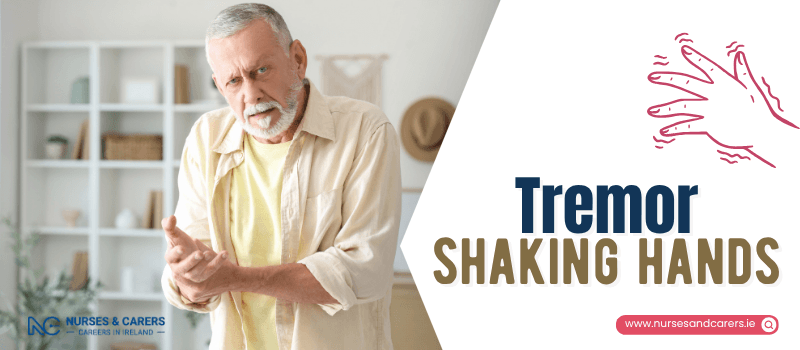
A tremor is an involuntary, rhythmic shaking or trembling in one or more parts of the body. While it most frequently affects the hands, it can also manifest in the head, legs, face, or vocal cords. Having a slight tremor is often a normal physiological characteristic, but a noticeable change or worsening of the shaking may require clinical evaluation.
When a Tremor is Considered Normal
Everyone has a minor baseline tremor that is typically unnoticeable. For instance, if you hold your hands straight out in front of you, they will naturally exhibit tiny, microscopic movements.
A normal tremor can become temporarily more prominent due to lifestyle or emotional triggers:
Aging: Shaking can naturally become slightly more noticeable as you grow older.
Emotional States: Periods of high stress, anxiety, exhaustion, or anger.
Temperature Extremes: Feeling excessively hot or shivering from intense cold.
Stimulants: Consuming caffeine (found in coffee, tea, and cola) or using tobacco products.
Coping with Triggers
If your tremor is linked to these everyday factors, you can manage it by modifying your routine. Try to reduce your daily caffeine intake, practice relaxation techniques to lower situational anxiety, and intentionally avoid unnecessary high-stress situations.
Underlying Causes and Medical Issues
Sometimes, a persistent or progressive tremor is a secondary symptom of an underlying medical issue or a reaction to a pharmaceutical substance:
Neurological Conditions: Conditions like Parkinson's disease or multiple sclerosis (MS).
Metabolic Issues: An overactive thyroid gland (hyperthyroidism).
Medication Side Effects: Certain everyday treatments, such as chemical stimulants found in asthma inhalers, can trigger temporary shaking.
Important: Never abruptly stop taking any prescribed medication without consulting your physician first, as a sudden discontinuation can cause severe medical complications.
When to Consult a Medical Professional
Disclaimer: This information is intended for educational purposes. Any sudden onset or structural worsening of neurological symptoms requires a formal diagnostic workup by a qualified clinician.
Schedule a Non-Urgent GP Appointment if:
Your tremor or hand shaking is progressively getting worse over time or is actively interfering with your ability to perform daily tasks (such as writing, eating, or dressing).
What to Expect at Your Appointment
Your GP will conduct a physical examination and review your comprehensive health profile. They will investigate your prescription history, any accompanying neurological symptoms, and your family's medical history, as certain types of tremors are hereditary.
A mild, isolated tremor that does not root from an underlying condition rarely requires intervention. Your GP may simply choose to monitor your symptoms periodically. However, if the cause remains unclear, they will refer you to a specialist (such as a neurologist) for advanced diagnostic testing.
Clinical Treatment Options for Severe Tremors
If an identified tremor severely impacts your quality of life, a physician may suggest a range of clinical interventions to manage the shaking. While these treatments cannot cure the condition, they can significantly suppress the symptoms:
Prescription Medications: Daily or situational drugs (such as beta-blockers) can be prescribed. Situational doses are taken specifically before entering a high-stress environment where the tremor typically flares up.
Targeted Injections: For tremors located specifically in the head or vocal cords, localized injections (such as botulinum toxin) can be administered to temporarily block nerve signals and relax the overactive muscles.
Surgical Intervention: In rare, severe cases where the tremor is debilitating and entirely unresponsive to pharmaceutical treatments, specialized brain surgery (such as Deep Brain Stimulation) may be evaluated as an alternative option.
Disclaimer
The information provided here is for educational and informational purposes only. It does not constitute medical advice, diagnosis, or treatment. Always consult a qualified healthcare professional or your GP for specific medical concerns, diagnoses, or health advice. Never disregard professional medical advice or delay seeking it because of information you have read here.