
Urinary Catheters
18 Sept 2026 · 15 min read
On this page37 sections
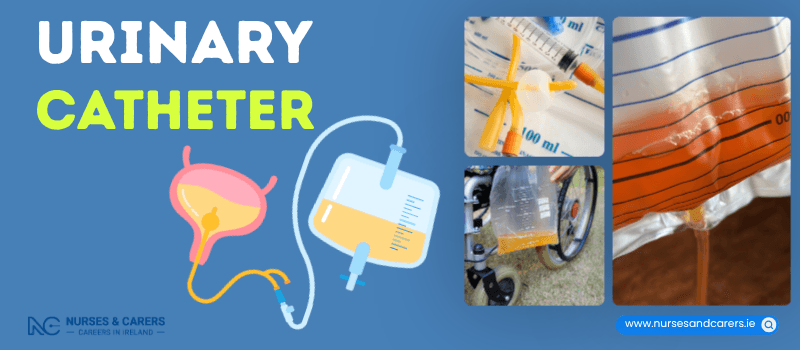
A urinary catheter is a flexible tube used to empty the bladder and collect urine in a drainage bag. It is inserted by a doctor or nurse through one of two methods:
Urethral Catheter: Inserted through the urethra (the natural tube that carries urine out of the body).
Suprapubic Catheter: Inserted through a small medical opening made in the lower tummy.
For long-term use, healthcare providers can train you or your caregiver on how to safely insert and manage the catheter at home.
When and Why Catheters Are Used
Catheters are only used when absolutely necessary and are removed as soon as they are no longer needed. The duration depends entirely on the underlying medical reason.
1. Difficulty Urinating
A catheter may be required to drain the bladder if you experience:
Blockages: Obstructions in the urethra caused by conditions like prostate enlargement or internal scarring.
Nerve or Muscle Issues: Bladder weakness or nerve damage that impacts your ability to urinate naturally.
Severe Incontinence: When alternative treatments for urine leakage have not been successful.
2. Medical Tests and Procedures
Catheters are frequently used in clinical settings:
During childbirth, particularly if an epidural anaesthetic is administered.
Before, during, or after certain surgical operations.
To deliver targeted medication directly into the bladder, such as during chemotherapy for bladder cancer.
Main Types of Catheters
Intermittent Catheters: Temporary tubes inserted to drain the bladder and removed immediately once it is empty.
Indwelling Catheters: Left in place for several days or weeks, held securely by an inflated balloon inside the bladder. Note: These carry a higher risk of complications like infection.
Living with a Catheter
Having a long-term catheter does not stop you from enjoying everyday activities. You can comfortably drive, exercise, swim, and have sex. The catheter and drainage bag can easily be concealed discreetly under regular clothing.
Your hospital care team will provide comprehensive guidance on:
Proper maintenance and hygiene to minimize risks.
How to source new catheter supplies.
Identifying signs of potential issues and knowing when to contact a doctor.
Risks and Complications
Urinary Tract Infections (UTIs)
The most common complication is a UTI, which can affect the urethra, bladder, or kidneys (less common).
Treatment: UTIs are typically treated effectively with antibiotics.
Risk Factors: While any catheter use carries a risk, the danger increases the longer an indwelling catheter remains in place. Proper insertion technique and strict maintenance are vital to lowering this risk.
Other Potential Issues
Catheters can occasionally cause bladder spasms, urine leakage around the tube, physical blockages, or accidental damage to the urethra.
Bladder Retraining After Removal
After a long-term catheter is removed, your bladder may take time to function normally again. A nurse, continence advisor, or physiotherapist can design a personalized plan to help you recover.
Retraining plans typically involve:
Capacity Techniques: Methods to gradually increase how much urine your bladder can hold and the time between bathroom visits.
Symptom Reduction: Exercises to minimize unexpected leaks and sudden, urgent impulses to urinate.
Muscle Exercises: Techniques to strengthen or properly relax your pelvic floor muscles.
Dietary Adjustments: Advice to avoid bladder irritants, such as caffeinated drinks like coffee.
Note: While a retraining plan helps you steadily improve control, achieving your final bladder goals may take several months.
Types of Urinary Catheters
Different types of urinary catheters are used depending on your medical needs. Your doctor or nurse will explain the specific benefits and risks of your assigned type, as well as how long it will need to stay in place.
1. Intermittent Urinary Catheters
Intermittent catheters are the most common and are completely temporary.
Usage: You insert the tube to drain the bladder and remove it immediately once it is empty. A new, sterile catheter is typically used every time.
Procedure: A doctor or nurse will show you how to safely insert the catheter through your urethra (the tube that carries urine out of the body).
Drainage: Urine can be drained directly into a toilet, a container, or a specialized bag attached to the catheter.
2. Indwelling Urinary Catheters (Foley Catheters)
An indwelling catheter is designed to stay inside the bladder for an extended period.
Mechanism: It is inserted through the urethra by a healthcare professional. A small, water-filled balloon at the tip of the tube prevents it from sliding out of the bladder.
Drainage Options: It can be connected to a drainage bag (strapped to your leg or attached to a standalone stand) or a valve that you manually open to drain urine into a toilet or container.
Maintenance: A healthcare worker must change the catheter at least every 3 months. They will provide full instructions on how to use and care for it at home.
3. Suprapubic Catheters (SPC)
A suprapubic catheter is a long-term option inserted directly into the bladder through a small opening in the lower abdomen, just below the belly button.
When it is used: Doctors recommend an SPC if your urethra is damaged or blocked, or if you are physically unable to use intermittent catheters.
Drainage Options: Similar to indwelling catheters, an SPC can connect to a drainage bag (secured to your leg or tummy) or a manual drainage valve.
Maintenance: An SPC must be changed every 6 to 8 weeks. A nurse will perform the first change, but you or your caregiver may be trained to handle future changes if you require the catheter long-term.
Surgical Insertion of a Suprapubic Catheter
Unlike other types, an SPC must be fitted during a hospital procedure under anaesthetic:
Anaesthesia: You will receive either a general anaesthetic (sleeping through the procedure) or a regional anaesthetic (an injection that numbs your stomach area).
The Procedure: The doctor cleans the abdomen, makes a small incision below the belly button, and inserts the catheter into the bladder—often guided by ultrasound or a medical telescope for precision.
Securing the Tube: The balloon at the end of the tube is filled with sterile water, a temporary stitch is placed near the cut to hold the tube, and a waterproof bandage is applied.
Recovery: Most patients go home the same day. However, if a larger incision is required, a 1-to-2-day hospital stay may be necessary. You must keep the waterproof dressing intact for the first few days and follow your care team's instructions for wound care.
Risks and Side Effects of Urinary Catheters
While urinary catheters are essential medical tools, using them introduces several health risks. Understanding these risks helps you spot potential complications early and know when to seek medical help.
Urinary Tract Infections (UTIs)
The most common risk of catheter use is a Urinary Tract Infection (UTI). This occurs when bacteria bypass the body's natural defenses by traveling along or inside the catheter tube.
Catheter-associated UTIs can affect the:
Urethra (the tube leading out of the bladder)
Bladder (very common)
Kidneys (less common, but more serious)
The risk of developing a UTI is exceptionally high if you have an indwelling catheter that stays in place continuously. While mild UTIs may not always require intervention, your GP will prescribe antibiotics if there is a risk of the infection spreading to your kidneys or bloodstream.
⚠️ Non-Urgent Advice: Contact your GP if you have a catheter and develop signs of a UTI, including:
Pain in your lower tummy or around the groin
A high temperature (fever)
Feeling cold, shivery, or having chills
Unexplained confusion or disorientation
Common Physical Side Effects
If you have a long-term catheter, you may experience several common physical issues:
Bladder Spasms: Painful stomach cramps caused by the inflated balloon irritating the inside of your bladder. Your GP can prescribe targeted medications to reduce the frequency and severity of these spasms.
Urine Leakage: Fluid escaping around the outside of the tube. This is often triggered by bladder spasms, straining during bowel movements, or a blockage inside the tube.
Catheter Blockages: Obstructions caused by blood clots, mineral build-up, or microscopic debris passing in your urine.
Emergency Action Required: Contact your GP or nurse immediately if:
You suspect your catheter is completely blocked and stopping urine flow.
You notice large solid debris or distinct blood clots passing through the tube.
Less Common & Long-Term Risks
In rarer cases, particularly with improper insertion or years of continuous use, catheters can cause more severe complications:
Urethral Injury: Physical damage to the delicate tube that carries urine out of the body.
Urethral Narrowing (Strictures): The build-up of internal scar tissue caused by repeated catheter insertions over time.
Internal Tissue Damage: Accidental trauma to the bladder or rectum if the catheter is inserted incorrectly.
Bladder Stones: Hard mineral deposits that typically form only after several years of continuous catheter use.
Bladder Cancer: A rare risk that is slightly elevated in individuals who rely on indwelling catheters for many years.
Living with a Urinary Catheter
While managing a urinary catheter takes some adjustment, you can still live well and maintain your everyday activities. Your hospital care team will provide your initial equipment, teach you how to look after it, and explain how to order ongoing supplies (which are standardly available via pharmacy prescription).
Preventing Infections & Complications
Because long-term catheters increase the risk of urinary tract infections (UTIs) and blockages, incorporating these daily habits into your routine is essential:
Do's:
Hygiene: Wash the area where the catheter enters your body with mild soap and water at least twice a day, and always after a bowel movement.
Handwashing: Thoroughly clean your hands with warm water and soap before and after touching any part of the catheter equipment.
Hydration: Drink plenty of fluids throughout the day to ensure your urine stays a healthy, pale colour.
Diet: Eat high-fibre foods to prevent constipation, which can put pressure on the catheter.
Positioning: Ensure the tubing remains completely free of kinks and always keep drainage bags positioned below the level of your bladder.
Daily Management by Catheter Type
1. Intermittent Catheters
These are temporary, single-use tubes that you throw away immediately after use. Your care team will advise whether you should use them at set times throughout the day or only when you feel the urge to urinate. Urine can be drained directly into a toilet or a clean container.
2. Indwelling and Suprapubic Catheters
Both of these types stay in place continuously and must be replaced by a healthcare worker (or a trained caregiver) at least every 3 months. They drain urine using one of two systems, which require specific care:
If Using a Drainage Bag:
Empty the bag when it is half to three-quarters full to prevent it from becoming heavy and painfully pulling on the catheter.
Wash your hands before and after emptying, and wipe the drainage valve with a clean tissue afterward.
Replace the leg bag entirely every 7 days, securing it to whichever leg feels most comfortable.
If Using a Catheter Valve:
Open the valve over a toilet or container whenever you need to drain your bladder.
Wash your hands before and after opening the valve, and wipe it with a tissue afterward.
Replace the valve component every 7 days.
Overnight Care (Night Bags):
Before going to sleep, attach a larger "night bag" directly to your daytime leg bag or valve.
Place the night bag on a stand next to your bed, ensuring it sits lower than your bladder.
In the morning, empty the bag. Depending on the brand provided, you will either discard it (single-use) or wash it out for next time (reusable).
Maintaining Your Lifestyle
A catheter should not take over your life. Speak to your doctor or nurse about when you can return to work, exercise, swim, or travel.
Intimacy & Sex: Having a catheter does not mean you cannot have sex. If you use an intermittent or suprapubic catheter, you can engage in sexual activity as normal. Indwelling urethral catheters require more care, but intimacy is still possible; for example, men can fold the tube along the underside of the penis and secure it with a condom. Alternatively, a nurse can teach you how to temporarily remove and replace the tube for comfort.
When to Seek Medical Help
Contact Your GP or Nurse If:
You experience severe or ongoing bladder spasms (stomach cramps).
Urine is actively leaking around the sides of the tube.
Your catheter appears blocked and urine has stopped flowing.
You see blood or bright red clots in your urine.
You show signs of a UTI (fever, chills, or lower stomach pain).
Your catheter falls out and you have been trained to replace it but feel unsure.
Go to the Nearest Emergency Department Immediately If:
Your indwelling or suprapubic catheter falls out completely and you cannot reach a GP or nurse for immediate assistance.
Catheter-Associated Urinary Tract Infections (UTIs)
A urinary catheter provides a direct pathway from outside the body into your bladder. Because one end sits inside the bladder while the other sits outside, there is a continuous risk that bacteria will travel along or inside the tube, potentially causing an infection.
Symptoms of a Catheter Infection
If bacteria multiply, they can cause a localized or systemic infection. You should monitor your body for these signs.
Common Localized Symptoms
Discomfort or pressure low down in your tummy
Pain or soreness where the tube exits your body
Pus or blood leaking from around the insertion site
Note: Strong-smelling urine can be a sign, but it is frequently caused by other factors, such as mild dehydration.
Serious Systemic Symptoms
If the infection spreads beyond the bladder, you may experience:
A high temperature (fever)
Chills or shivering
Nausea (feeling sick)
General weakness or lethargy
⚠️ Action: Tell your doctor or nurse immediately if you notice any of these symptoms.
Preventing an Infection
The longer a catheter remains in place, the higher the risk of bacteria entering the bladder. You can actively lower this risk by advocating for your own care.
It is always appropriate to ask your healthcare team:
"Do I still need this catheter?" (The best way to prevent an infection is to remove the catheter as soon as safely possible).
"Could you clean your hands?" (Ensure staff sanitise their hands before inserting, adjusting, or touching your catheter or drainage bag).
"Has the area been cleaned?" (Ensure the skin is properly prepped before insertion).
Causes and Diagnosis
Catheter infections are particularly common in hospital settings because the environment contains many transmissible bugs, and patients are often already unwell. If a catheter stays in for several weeks, bacteria will almost always find their way into the bladder. If these bacteria spread up into the kidneys or enter the bloodstream, they can make you severely ill.
The Testing Process
If an infection is suspected, your doctor will request a urine sample to check for bacteria.
Results generally take a few days to return.
Important Note on Long-Term Catheters: If you have had a catheter for a long time, bacteria will naturally live on the device, meaning your test will almost always come back positive. However, a positive test alone does not mean you have an active infection or require treatment.
Treatment Guidelines
Medical professionals carefully balance the use of antibiotics to avoid building bacterial resistance:
If you feel well: If your urine test is positive for bacteria but you show no physical symptoms of being sick, it is generally safer not to take antibiotics.
If you are unwell: If the bacteria cause an active infection in your kidneys or bloodstream, you will be prescribed a course of targeted antibiotics to treat it.
Disclaimer
The information provided here is for educational and informational purposes only. It does not constitute medical advice, diagnosis, or treatment. Always consult a qualified healthcare professional or your GP for specific medical concerns, diagnoses, or health advice. Never disregard professional medical advice or delay seeking it because of information you have read here.