
Urinary Incontinence
18 Sept 2026 · 23 min read
On this page62 sections
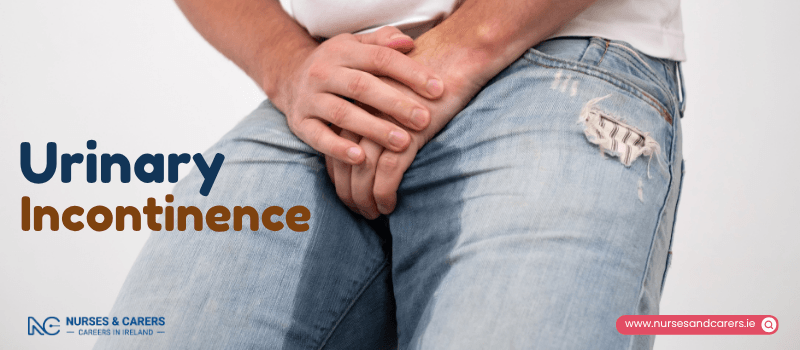
Urinary incontinence is the unintentional passing of urine. It is a highly common condition that affects millions of people globally, yet many suffer in silence due to embarrassment.
Speaking with a healthcare professional is the first step toward managing or treating the issue effectively, and most cases can be easily diagnosed after a routine consultation with a GP.
Main Types of Urinary Incontinence
The condition is generally categorized into distinct types depending on how and when the leaks happen:
Stress Incontinence: Urine leaks out when sudden physical pressure is placed on the bladder. This commonly occurs during activities like coughing, sneezing, laughing, or exercising.
Urge Incontinence: Urine leaks out immediately following a sudden, intense, and uncontrollable urge to urinate.
Overflow Incontinence: Occurs when the bladder cannot empty completely during bathroom visits, causing the remaining urine to frequently spill or trickle out.
Continuous Incontinence: A rarer type where the bladder is completely unable to store any urine at all, resulting in constant, ongoing leakage.
Mixed Incontinence: A combination of more than one type, most commonly a mix of stress incontinence and urge incontinence.
When to Seek Medical Advice
⚠️ Non-Urgent Advice: Talk to your GP if you experience any type of urinary incontinence, no matter how minor or occasional the leaks may seem.
Remember, this is a routine medical concern that doctors see regularly. Overcoming the embarrassment to speak with a professional opens up access to lifestyle adjustments, pelvic floor training, medications, or surgical options that can significantly improve your quality of life.
Urinary Incontinence Symptoms
Urinary incontinence means passing urine by accident. When and how this leakage happens depends entirely on the specific type of incontinence you have.
⚠️ Non-Urgent Advice: Talk to your GP if you experience any accidental leaks. Speaking up is the vital first step toward finding an effective way to manage or treat this common condition.
Common Types of Incontinence
Most individuals experiencing this issue are diagnosed with either stress incontinence or urge incontinence.
1. Stress Incontinence
This occurs when sudden physical pressure is placed on the bladder, forcing urine to leak out. It is a mechanical issue and is not related to psychological stress.
Common Triggers: Coughing, sneezing, laughing, heavy lifting, or exercising.
Volume: While the amount of urine leaked is usually small, larger amounts can escape if your bladder is completely full.
2. Urge Incontinence
This is characterized by a sudden, intense, and uncontrollable need to urinate, leaving you unable to delay going to the toilet.
Timing: There are often only a few seconds between the sudden urge and the release of urine.
Triggers: The urge can be set off by a sudden change in physical position, the sound of running water, or during sexual intimacy (such as at orgasm).
Overactive Bladder Syndrome: Urge incontinence frequently occurs alongside this syndrome, where the bladder muscle is hyperactive. Symptoms include needing to urinate very frequently during the day and waking up multiple times at night to go.
3. Mixed Incontinence
This occurs when you present with symptoms of both stress and urge incontinence. For example, you may leak when you sneeze, while also experiencing sudden, intense urges to urinate throughout the day.
Less Common Types
Overflow Incontinence (Chronic Urinary Retention)
This occurs when the bladder is unable to empty completely during bathroom visits. The bladder swells beyond its normal size, causing small amounts of excess urine to constantly spill or trickle out.
Signs: Passing tiny amounts of urine very frequently, or feeling like your bladder is never fully empty, even immediately after trying to urinate.
Continuous Incontinence
A severe form of incontinence where varying amounts of urine leak continuously, all the time, because the bladder is completely unable to store fluid.
Lower Urinary Tract Symptoms (LUTS)
The lower urinary tract consists of the bladder and the urethra. As people age, they commonly experience a group of issues known as Lower Urinary Tract Symptoms (LUTS), which significantly increase the likelihood of developing urinary incontinence. These symptoms are divided into three areas:
Storage Problems: Feeling an urgent or frequent need to go to the toilet, or feeling the need to urinate again immediately after you have just finished.
Urination Problems: Having a slow or weak stream of urine, needing to strain to start peeing, or experiencing a stream that stops and starts.
Post-Urination Problems: Feeling as though your bladder did not empty fully, or dribbling a few extra drops of urine after you think you have completely finished.
Causes of Urinary Incontinence
Urinary incontinence occurs when the body's normal system for storing and passing urine is disrupted. While some causes result in short-term leakage, others lead to chronic, long-term problems. If the underlying cause can be successfully treated, the incontinence can often be cured.
Causes by Type of Incontinence
1. Stress Incontinence
This occurs when the physical pressure inside a filling bladder becomes stronger than the muscles keeping the urethra closed. If the pelvic floor muscles or the urethral sphincter (the closing valve) are weak or damaged, any sudden extra pressure (like laughing or coughing) forces urine out.
Common Triggers: Damage during childbirth (especially vaginal delivery), chronic increased abdominal pressure due to pregnancy or obesity, surgical damage to the bladder area, connective tissue disorders like Ehlers-Danlos syndrome, neurological conditions like Parkinson's disease, and certain medications.
2. Urge Incontinence
This sudden, frequent urge to urinate is typically caused by the detrusor muscles in the bladder walls contracting (squeezing) too often, a condition known as an overactive bladder. While the exact trigger isn't always clear, common causes include:
Dietary Factors: Drinking too much alcohol or caffeine.
Dehydration: Poor fluid intake makes urine highly concentrated, which irritates the bladder lining.
Medical Issues: Constipation, urinary tract infections (UTIs), bladder tumors, or neurological conditions.
Medications: Certain prescription drugs can trigger involuntary muscle spasms.
3. Overflow Incontinence
This is usually caused by a physical blockage that prevents the bladder from emptying completely. Urine builds up behind the obstruction, causing frequent overflow leaks.
Blockage Causes: An enlarged prostate gland (in men), bladder stones, or severe constipation.
Muscle Weakness: It can also happen if the detrusor muscles fail to contract fully, leaving the bladder stretched and unable to empty. This muscle failure can be caused by nerve damage (from spinal injuries or bowel surgery) or specific medications.
4. Continuous Incontinence
This severe form happens when the bladder is completely unable to store any urine, leading to constant leaking.
Common Causes: A congenital bladder defect (present from birth), a spinal cord injury that blocks the nerve signals between the brain and bladder, or a bladder fistula (an abnormal tunnel-like hole connecting the bladder to a nearby organ, like the vagina).
Medications That Can Trigger Incontinence
Certain medications interfere with how your bladder stores or releases urine, or dramatically increase urine production. These include:
Diuretics (water tablets)
ACE inhibitors (blood pressure medication)
Certain antidepressants
Hormone Replacement Therapy (HRT)
Sedatives
⚠️ Important: While stopping these medications may resolve your bladder issues, never alter your dosage or stop taking prescribed medication without consulting your GP first.
Risk Factors
Some elements do not cause incontinence directly but significantly increase your likelihood of developing it:
Age: The condition becomes more common in middle age and is highly prevalent in individuals over 80.
Family History: You are at a higher risk if close family members have experienced the condition.
LUTS: Having pre-existing obstructive lower urinary tract symptoms.
Non-Surgical Treatment for Urinary Incontinence
Treatment choices depend on the specific type of incontinence you have and how severely it impacts your daily life. If an underlying health condition is causing the leaks, that condition will be treated alongside your bladder symptoms.
Non-invasive, drug-free methods are always tried first. These treatments are standardly managed by your GP in collaboration with specialized continence nurse advisors and physiotherapists.
1. Lifestyle Changes
Simple adjustments to your daily routine can significantly reduce bladder pressure and irritation:
Reduce Caffeine: Lower your intake of tea, coffee, and cola, as caffeine acts as a diuretic and forces your body to produce more urine.
Optimize Fluid Intake: Adjust how much you drink. Drinking too much fluid increases leaks, while drinking too little concentrates your urine and irritates the bladder lining.
Manage Weight: If you are overweight or living with obesity, losing weight relieves direct physical pressure on your bladder and pelvic floor.
2. Pelvic Floor Muscle Rehabilitation
Your pelvic floor muscles support the bladder and wrap around the urethra to control urine flow. When these muscles are weak or damaged, leaks occur. Targeted exercise programmes are highly effective:
For Women: Significantly reduces the frequency and volume of accidental leaks.
For Men: Proven to reduce incontinence following prostate gland surgery.
If you struggle to contract these muscles correctly on your own, a specialist may recommend these physical aids:
Electrical Stimulation: A small probe is temporarily inserted into the vagina (for women) or the anus (for men). A safe, mild electrical current passes through the probe to manually stimulate and strengthen the muscles while you try to exercise them.
Vaginal Cones: These are small, weighted devices inserted into the vagina. You use your pelvic floor muscles to hold the weight in place, gradually progressing to heavier cones as your internal muscle strength increases.
3. Bladder Training
Bladder training is primary therapy if you suffer from urge incontinence, and is often paired with pelvic floor exercises for mixed incontinence.
The Goal: You will learn behavioural techniques to gradually extend the length of time between feeling the sudden urge to urinate and actually going to the toilet.
Timeline: A structured training course typically lasts for at least 6 weeks to retrain the bladder muscles successfully.
Supportive Management Options
Incontinence Products
While you wait for long-term treatments to take effect, a variety of products can help you manage leaks comfortably:
Absorbent items like specialized incontinence pads or pants
Handheld, portable urinals
Temporary internal devices inserted into the vagina or urethra to physically block leakage
Urinary catheters to drain fluid directly from the bladder
Prescription Medications
If conservative therapies do not fully resolve your symptoms, your GP may introduce targeted medications. Depending on your needs, these drugs can:
Help your bladder relax so it can hold larger volumes of urine
Enable the bladder muscles to contract more effectively for complete emptying
Strengthen the sphincter muscles that keep the urethra closed
Surgery and Procedures for Urinary Incontinence
If non-surgical treatments fail to manage your urinary incontinence, your GP may refer you to a specialist to discuss procedural or surgical options.
Important Note for Women: The physical strain of future pregnancy and childbirth can cause surgical repairs to fail. If you plan to have children, it is generally recommended to postpone permanent surgeries until your family is complete.
Procedures for Stress Incontinence
These treatments focus on structurally supporting the bladder neck and urethra to prevent leaks caused by physical pressure.
Colposuspension: The surgeon makes an incision in the lower abdomen to lift the neck of the bladder and secure it in place with stitches. While an effective long-term solution for many, potential complications include difficulty fully emptying the bladder, recurring UTIs, and discomfort during sexual intercourse.
Sling Procedures: Incisions are made in the lower abdomen and vagina to place a supportive hammock-like sling around the bladder neck. The sling tissue can be sourced from an animal (xenograft), a human donor (allograft), or—most commonly—harvested from the patient's own abdominal tissue (autologous sling). Autologous slings are standardly preferred for their proven long-term safety profile. Risks include post-surgical urge incontinence or difficulty urinating.
Urethral Bulking Agents: A minimally invasive option where a specialized gel or fluid is injected directly into the urethral walls via a cystoscope, avoiding surgical cuts entirely. This bulk helps the urethra close with greater force. However, it is generally less effective than surgery, its benefits fade over time, and repeat injections are usually needed. Temporary burning or minor bleeding during urination may occur immediately afterward.
Artificial Urinary Sphincter: A mechanical device implanted to take over the role of a damaged natural sphincter muscle. This option is used almost exclusively for men with severe stress incontinence and is exceptionally rare for women. It carries risks of device failure over time, which may require revision surgery.
Tape Procedures (Vaginal Mesh): Historically, permanent synthetic mesh strips were used to support the urethra. Please note: Regulatory bodies like the HSE have temporarily paused the use of synthetic mesh for urinary stress incontinence surgeries until updated clinical recommendations are established.
Procedures for Urge Incontinence & Overactive Bladder
These therapies target the overactive detrusor muscles or the nerve pathways that trigger sudden, intense urges.
Botulinum Toxin A (Botox) Injections: Botox can be injected directly into the bladder walls to chemically relax the hyperactive muscles. The soothing effects typically last for several months, and injections can be repeated. Note: As long-term impacts are still being monitored, this option requires careful specialist evaluation.
Sacral Nerve Stimulation: A small pacemaker-like device is implanted under the skin, usually in the buttock, to send continuous electrical pulses to the sacral nerves at the base of the spine. This effectively recalibrates the misfired signals between your brain and bladder muscles to reduce sudden urges. While the implant process can be uncomfortable, many patients report a drastic improvement in control.
Posterior Tibial Nerve Stimulation: A less invasive nerve therapy where a fine needle electrode is inserted near the ankle. A mild electrical current travels up the leg to target the root nerves that control the pelvic floor and bladder. A standard course requires 12 weekly, half-hour sessions. While beneficial for overactive bladder symptoms, it is not yet widely used as a routine standard first-line treatment due to ongoing evidence gathering.
Urinary Diversion: A major surgery where the ureters (the tubes running from the kidneys) are completely redirected to bypass the bladder, draining urine directly to the outside of the body. This is strictly a final resort used only when all other treatment options have failed or are medically impossible.
Procedures for Overflow Incontinence (Retention)
Overflow incontinence is managed by directly draining the trapped urine that the bladder muscles cannot empty on their own.
Clean Intermittent Catheterisation (CIC): A nurse trains you to gently insert a temporary, clean catheter through the urethra into the bladder to drain urine directly into the toilet at set intervals (ranging from once to multiple times a day). While it can feel uncomfortable initially, any pain standardly fades as you become used to the routine. The main long-term risk of regular self-catheterisation is an elevated chance of developing UTIs.
Indwelling Catheterisation: A permanent catheter tube is left inside the bladder to drain urine continuously into a collection bag. This can be inserted through the natural water passage (urethra) or surgically through a small opening in the lower stomach wall (suprapubic). These tubes must be replaced by a medical professional at fixed, routine intervals to minimize complications.
Incontinence Products and Management Options
Incontinence products offer practical support to keep you dry and comfortable while you are waiting for a medical diagnosis or for your treatments to take effect.
Types of Management Products
1. Pads and Pull-Up Pants
Absorbent pads and disposable underwear are the most widely used options for managing leaks.
Technology: These products utilize a advanced "hydrophobic" inner layer that instantly draws moisture away from the surface, keeping your skin entirely dry and protected from irritation.
Mild to Moderate Leakage: Thin, highly discreet pads and tailored pull-up pants for both men and women are widely available to purchase at local supermarkets and pharmacies.
Severe Leakage: Larger, heavy-duty absorbent pads are available and can be supplied directly through public health channels.
2. Physical Devices (Appliances)
For more severe or specific types of leakage, specialized hardware can help manage output:
Handheld Urinals: Portable containers designed to safely collect urine when getting to a toilet is difficult.
Penile Sheaths: Sleeve-like devices (similar to a condom) fitted over the penis that connect to a tube and a drainage bag to collect urine cleanly.
3. Bed and Chair Protection
To protect your furniture and mattress from unexpected leaks, you can use specialized barrier products:
Washable Bed Pads: Placed directly on top of the sheets, these pads quickly soak up overnight fluid while remaining dry to the touch on top. They are particularly convenient to pack for travel and trips away from home.
4. Other Specialized Items
Hygiene & Skincare: Barrier creams and specialized wipes designed to protect the skin from prolonged exposure to urine.
Adaptive Clothing: Adapted everyday outfits and swimwear designed with hidden pockets or waterproof barriers to accommodate pads or drainage bags discreetly.
Using Tampons for Stress Incontinence
Some women use a tampon as a temporary mechanical fix. Inserting a tampon puts direct physical pressure on the neck of the bladder, which can stop leaks from occurring during activities like exercise.
⚠️ Important Guidance: Tampons are not recommended for long-term or everyday management of urinary incontinence. Never use super-size tampons for stress incontinence without consulting a healthcare professional first, as doing so significantly increases your risk of developing a serious infection.
Accessing Free Products via the HSE
In Ireland, you may be eligible to receive a routine supply of incontinence products entirely free of charge through the Health Service Executive (HSE).
The Process: To qualify, you must undergo a formal clinical assessment to evaluate your specific medical needs and determine which products are most appropriate for you.
How to Start: Contact a public health nurse (PHN) at your local HSE health centre to request a consultation and assessment.
10 Ways to Stop Bladder Leaks
Simple everyday adjustments can significantly reduce the frequency and severity of urinary incontinence. These practical lifestyle changes help relieve physical strain on your bladder and pelvic floor.
Physical & Muscle Support
1. Perform Daily Pelvic Floor Exercises
Consistently exercising your pelvic floor muscles strengthens the support around your bladder.
Tip: Work with a physiotherapist or continence advisor to ensure you use the correct technique.
Timeline: It can take up to 3 months of daily practice before you see a noticeable reduction in leaks.
2. Choose the Right Type of Exercise
High-impact training (such as running or heavy jumping) places sudden pressure on your pelvic floor, which can worsen stress incontinence.
Tip: Swap high-impact workouts for core-strengthening activities like Pilates, which builds supportive abdominal and pelvic stability.
3. Avoid Heavy Lifting
Lifting heavy items puts direct physical strain on your pelvic floor.
Tip: Avoid heavy lifting whenever possible. If you must lift something, consciously tighten your pelvic floor muscles before you pick it up and keep them engaged throughout the movement.
Weight & Digestive Health
4. Lose Excess Weight
Carrying extra weight places continuous physical pressure on your bladder and weakens the surrounding muscles.
Tip: Losing weight can dramatically improve your symptoms or even resolve the incontinence completely. You can use a BMI calculator to track your progress toward a healthy range.
5. Treat Constipation Promptly
Straining during bowel movements damages and weakens the pelvic floor muscles over time, making leaks worse.
Tip: Never ignore the urge to go. Prevent constipation by eating a fiber-rich diet, staying active, and practicing proper posture on the toilet. A specialist physiotherapist can offer tailored guidance if needed.
Dietary & Fluid Adjustments
6. Drink Plenty of Water
It is a common mistake to limit fluids, but cutting back actually shrinks your bladder's capacity and makes leaks worse. Dehydration also triggers constipation.
Tip: Aim to drink 6 to 8 glasses of fluid daily unless advised otherwise by your GP.
7. Cut Down on Caffeine
Caffeine is a major bladder irritant that can trigger sudden, intense urges to urinate.
Tip: Coffee has the strongest impact, so consider switching to decaffeinated versions. Remember that tea, green tea, fizzy drinks, energy drinks, and hot chocolate also contain caffeine; try replacing them with water or herbal teas.
8. Reduce Alcohol Consumption
Alcohol acts as a natural diuretic, forcing your kidneys to produce more urine and causing you to visit the toilet much more frequently.
Tip: Moderating your alcohol intake is an easy way to ease the strain on an overactive bladder.
9. Avoid Bladder-Irritating Foods
Certain ingredients can inflame the sensitive lining of your bladder, increasing urgency and leakage.
Tip: Cut back on highly spicy foods (like curries) and highly acidic options (like citrus fruits and juices).
Lifestyle Habits
10. Stop Smoking
Smoking significantly increases your risk of severe incontinence. Chronic smokers frequently experience a persistent cough, and the violent physical movement of coughing severely strains and weakens the pelvic floor muscles.
Tip: Speak to a healthcare professional about smoking cessation support options to help protect your bladder health.
Disclaimer
The information provided here is for educational and informational purposes only. It does not constitute medical advice, diagnosis, or treatment. Always consult a qualified healthcare professional or your GP for specific medical concerns, diagnoses, or health advice. Never disregard professional medical advice or delay seeking it because of information you have read here.