
Urinary Incontinence During Pregnancy
18 Sept 2026 · 2 min read
On this page7 sections
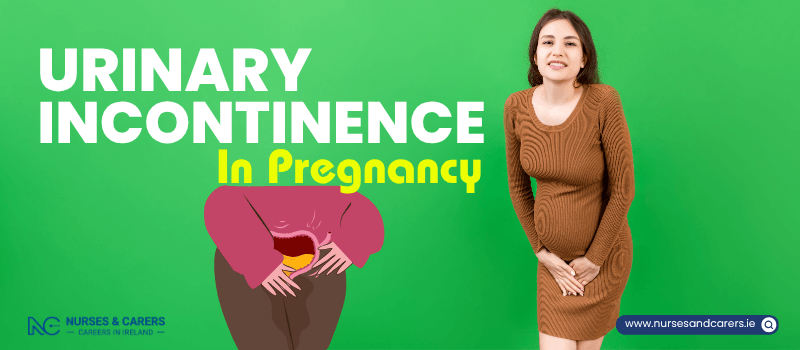
Experiencing a frequent or urgent need to urinate is incredibly common during pregnancy. This typically begins in the early weeks, can continue up to week 18, and frequently returns after week 30.
This happens because your body's fluid levels naturally increase, and your growing baby places direct physical pressure on your bladder.
Why Leaks Happen: Pregnancy Hormones
Urinary incontinence is the accidental leaking of urine. During pregnancy, hormonal shifts naturally cause your pelvic floor muscles to relax and soften.
Triggers: This relaxation makes it easier for urine to escape when sudden physical pressure is placed on the bladder—such as when you laugh, cough, sneeze, or exercise.
The "Knack" Technique: You can help prevent these sudden leaks by consciously squeezing and bracing your pelvic floor muscles the moment you feel a sneeze, cough, or laugh coming on.
Managing Hydration Safely
While going to the toilet frequently can be frustrating, never restrict your fluids. Staying hydrated is vital for both your health and your baby's development.
Water Intake: Drink plenty of water throughout the day. Your urine should ideally be a pale, clear yellow. Dark or strong-smelling urine is a primary sign that you need to drink more water.
Limit Caffeine: Avoid or significantly cut down on caffeinated drinks (like tea, coffee, and energy drinks). Caffeine actively irritates the bladder lining, worsening leaks. Furthermore, consuming high levels of caffeine is unsafe during pregnancy.
The Importance of Pelvic Floor Exercises
Your pelvic floor muscles act as a supportive hammock holding your bladder, bowels, and uterus. Weak muscles can lead to poor bladder control and a lack of support for your pelvic organs.
Why it helps: Commencing pelvic floor muscle training early helps your body cope with the rapidly increasing weight of your baby.
Long-Term Benefit: Keeping these muscles strong and fit before giving birth significantly reduces your likelihood of experiencing long-term urinary incontinence after childbirth.
When to Seek Medical Support
Specialized Physical Therapy
If accidental leaking becomes a persistent problem, do not hesitate to speak up. Your GP or midwife can refer you to a specialist women's health physiotherapist who can design a safe, personalized pelvic floor treatment programme for you.
⚠️ When to Contact Your Care Team Promptly
Get in touch with your GP, midwife, or obstetrician as soon as possible if you experience any of the following symptoms, as they can indicate an infection or other pregnancy complications:
Stinging, sharp pain, or a burning sensation when passing urine
A high temperature (fever)
A persistent ache in your lower back that does not improve with rest
Any unexpected fluid leaking from your vagina
Smelly, discoloured, or unusual vaginal discharge
Disclaimer
The information provided here is for educational and informational purposes only. It does not constitute medical advice, diagnosis, or treatment. Always consult a qualified healthcare professional or your GP for specific medical concerns, diagnoses, or health advice. Never disregard professional medical advice or delay seeking it because of information you have read here.