
Varicose Veins
18 Sept 2026 · 18 min read
On this page41 sections
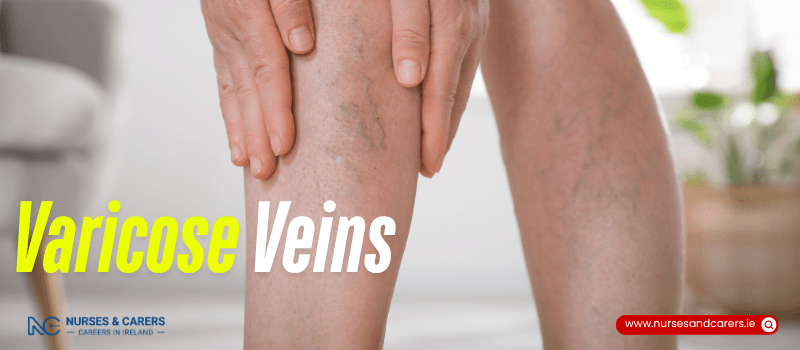
Varicose veins are swollen, enlarged veins visible directly beneath the skin, most commonly developing on the legs and feet. They frequently appear blue or dark purple and are often lumpy, bulging, or twisted. While they are rarely serious and usually require no treatment, they can sometimes cause physical discomfort or skin changes.
Symptoms of Varicose Veins
For many individuals, varicose veins cause no symptoms at all. However, some people experience:
Aaching, heavy, and physically uncomfortable legs
Swollen feet and ankles
Burning or throbbing sensations in the lower legs
Muscle cramps in the legs, especially during the night
Dry, thin, and intensely itchy skin over the affected vein, which can develop into eczema
Note: Symptoms typically worsen during warm weather or after prolonged standing. They often improve when you walk around or elevate your legs while resting.
Types of Varicose Veins
Trunk Varicose Veins: Located near the skin surface; these are thick, long, knobbly, and highly visible.
Reticular Varicose Veins: Red veins that group close together to form an interconnected network.
Telangiectasia (Thread or Spider Veins): Small, harmless clusters of tiny blue or red veins on the face or legs. Unlike trunk veins, they do not bulge underneath the surface of the skin.
When to See Your GP
If your varicose veins do not cause you any physical discomfort, you do not need to seek medical care.
Non-Urgent Advice: Schedule an appointment with your GP if:
Your veins cause you persistent pain or discomfort.
The skin overlying the veins becomes sore, thin, or heavily irritated.
The aching in your legs disrupts your sleep at night.
Your GP can diagnose varicose veins through a physical examination, though further tests may occasionally be recommended.
Causes and Risk Factors
Varicose veins develop when the tiny, one-way valves inside the veins weaken or fail. In a healthy vein, these valves open and close smoothly to push blood back up toward the heart. If they break down, blood flows backward and pools in the vein, eventually causing it to stretch, swell, and bulge.
Your likelihood of developing the condition is increased if you:
Are female or currently pregnant
Have a close family member with varicose veins
Are in an older age bracket
Are living with excess weight or obesity
Work a job that requires standing still for long periods
Management and Treatment Options
First-Line Care
If your veins require medical attention, your GP will initially recommend standard conservative steps for up to 6 months:
Wearing specialized prescription compression stockings
Engaging in regular physical exercise
Elevating your feet on pillows whenever you are resting
Advanced Medical Procedures
If your symptoms persist, cause severe pain, or lead to complications, a specialist may offer a variety of corrective procedures:
Endothermal Ablation: High-intensity heat is targeted inside the vein to seal it closed.
Sclerotherapy: A specialized medical foam is injected into the vein to collapse and close it.
Ligation and Stripping: A surgical procedure where the affected veins are physically tied off and removed from the leg.
Symptom Prevention and Relief
While there is little scientific evidence that you can completely prevent new varicose veins from forming, you can significantly ease the discomfort of existing ones by incorporating these everyday habits:
Keep Moving: Avoid sitting or standing completely still for long periods. Try to change positions or walk around every 30 minutes.
Take Elevation Breaks: Take frequent breaks throughout the day to rest your legs, propping them up on pillows to help gravity drain pooled blood back to your heart.
Exercise Regularly: Staying active improves your body's overall blood circulation and helps maintain a healthy weight, which reduces physical pressure on your leg veins.
Varicose Veins Symptoms and Complications
Varicose veins are swollen, enlarged veins that appear dark purple or blue beneath the skin. They are typically lumpy, bulging, or twisted and most commonly develop on the legs and feet.
Common Symptoms
While many people with varicose veins have no symptoms at all, others may experience:
A aching, heavy, and uncomfortable sensation in the legs
Swollen feet and ankles
A burning or throbbing sensation in the lower limbs
Muscle cramps in the legs, particularly during the night
Dry, thin, and intensely itchy skin over the affected vein, which can lead to eczema
Note: These symptoms typically worsen in warm weather or after standing for long periods. Walking around or raising your legs while resting usually brings relief.
Types of Varicose Veins
Trunk Varicose Veins: Located close to the skin surface, these are long, thick, knobbly, and prominent.
Reticular Varicose Veins: Red veins that are closely grouped together in a network.
Telangiectasia (Thread or Spider Veins): Small, harmless clusters of tiny blue or red veins that appear on the legs or face. Unlike trunk veins, they do not bulge underneath the skin.
Potential Complications
Most people with varicose veins do not develop complications. If complications do occur, they usually manifest many years after the veins first appear.
1. Bleeding
Because varicose veins sit close to the skin surface, bumping or cutting your leg can cause them to bleed. This bleeding can sometimes be difficult to stop.
🩹 First Aid for a Bleeding Vein: Lie down immediately, elevate your leg above your heart, and apply firm, direct pressure to the wound using a clean cloth or bandage.
🚨 Urgent Advice: Seek immediate medical attention or visit your nearest GP if the bleeding does not stop after taking these steps.
2. Blood Clots
Blood clots can sometimes form within varicose veins, potentially leading to:
Thrombophlebitis: Painful swelling and inflammation of the surface veins in your leg.
Deep Vein Thrombosis (DVT): A more serious blood clot in the deep veins causing pain and swelling. While DVT is a rare complication of varicose veins, it requires urgent care as it can lead to a life-threatening pulmonary embolism (a clot in the lungs).
3. Chronic Venous Insufficiency
A small number of people experience prolonged poor blood drainage from the lower leg, which disrupts the normal exchange of oxygen, nutrients, and waste products in the skin. This chronic insufficiency can trigger advanced conditions, including:
Varicose Eczema: A long-term skin condition causing the leg to become red, scaly, flaky, and intensely itchy.
Lipodermatosclerosis: A condition where the skin on the inside calf, just above the ankle, becomes hardened, tight, and changes to a red or brown colour.
Venous Leg Ulcers: Painful, slow-healing open sores that form on the skin, usually as a result of advanced lipodermatosclerosis.
Causes
Varicose veins are usually caused by weak vein walls and valves.
Inside your veins are tiny one-way valves. These open to let the blood through. They then close to prevent it from flowing backwards.
Sometimes the walls of the veins become stretched and lose their elasticity. This causes the valves to weaken.
If the valves don't function as they should, this can cause the blood to leak and flow backwards. If this happens, the blood collects in your veins, which become swollen and enlarged.
We don't know why the walls of the veins stretch and the valves in your veins weaken. Some people develop the condition for no clear reason.
Increased risk
Your likelihood of developing varicose veins can increase if you:
· are female
· have a close family member with varicose veins
· are elderly
· are overweight
· have a job that involves long periods of standing
· are pregnant
· have other conditions
Gender
Women are more likely to get varicose veins than men. This may be because female hormones tend to relax the walls of veins. This makes the valves more prone to leaking.
Hormones are chemicals produced by the body.
Changes may happen because of:
· pregnancy
· premenstrual syndrome
Genetics
Your risk of developing varicose veins is higher if a close family member has the condition.
Varicose veins may be inherited. They may be partly caused by your genes.
Age
As you get older, your veins start to lose their elasticity. The valves inside them stop working as well.
Being overweight
Being overweight puts extra pressure on your veins which means they have to work harder to send the blood back to your heart.
This can put increased pressure on the valves and makes them more prone to leaking.
The impact of body weight on varicose veins appears to be more significant in women.
Use the healthy weight BMI calculator - safefood.net to check if you're overweight.
Your job
If you have a job where you're standing for long periods, you may have a higher risk of getting varicose veins.
This is because your blood doesn't flow as easily when you're standing for a long time.
Pregnancy
During pregnancy, the amount of blood increases to help support the developing baby. This puts extra strain on your veins.
Increased hormone levels also cause the walls of the blood vessels to relax. This also increases your risk.
Varicose veins may also develop as the womb (uterus) begins to grow. As the womb expands it puts pressure on veins in your pelvic area. This can sometimes cause them to become varicose.
Being pregnant can increase your risk. But most women find their veins improve after the baby is born.
Other health conditions
In rare cases, other health conditions cause varicose veins.
These include:
· a previous blood clot
· a swelling or tumour in the pelvis
· abnormal blood vessels
· a history of leg injury (for example, having previously broken a bone in your leg)
Preventing varicose veins
There's very little evidence to suggest you can:
· stop varicose veins getting worse
· completely prevent new ones developing
But there are ways to ease symptoms of existing varicose veins.
These include:
· avoiding standing or sitting still for long periods – try move around every 30 minutes
· taking regular breaks throughout the day – raise your legs on pillows while resting. This can ease discomfort
· exercising – this can improve circulation and help maintain a healthy weight
Diagnosing Varicose Veins
Varicose veins are rarely a serious condition and usually do not require medical intervention. If they are not causing you any physical discomfort, you do not need to visit your GP.
When to See Your GP
⚠️ Non-Urgent Advice: Schedule a consultation with your GP if:
Your veins are causing you notable pain, swelling, or aching.
The skin overlying the veins becomes sore, thin, or heavily irritated.
The discomfort in your legs keeps you awake or disturbs your sleep at night.
The Clinical Examination
A GP can diagnose varicose veins simply by their physical appearance. During your appointment:
Physical Check: Your doctor will examine your legs while you are standing upright, which makes the veins fully visible and allows them to check for signs of swelling.
Symptom Review: You will be asked to describe the type of pain you experience and any specific triggers that make it worse (for example, prolonged standing or menstrual cycles).
Note: You do not need any special scans or laboratory tests to receive an initial diagnosis from your GP.
Specialist Referrals
If your condition requires intervention, your GP may refer you to a vascular specialist (a doctor who treats blood vessel problems) or a dermatologist (a skin specialist). Referrals are standardly made if you experience:
Severe, persistent pain, swelling, heaviness, or intense itching.
Known blood flow issues or poor circulation in your lower limbs.
A healed or active leg ulcer below the knee (any break in the skin that fails to heal within 2 weeks).
Thrombophlebitis (where the varicose veins become noticeably hard, red, and tender to the touch).
Advanced skin changes on your calf, such as varicose eczema, skin discolouration, or areas of hardened, thickened skin.
Advanced Testing: Duplex Ultrasound Scan
If a vascular specialist is planning a specific corrective treatment for your legs, they will arrange a duplex ultrasound scan.
How it works: This non-invasive test uses high-frequency sound waves, combining traditional ultrasound imaging with Doppler technology.
The purpose: It tracks the exact speed and direction of blood flowing through your veins. This creates a detailed picture that allows the specialist to locate the precise location of any damaged valves causing the blood to pool.
Treating Varicose Veins
Varicose veins do not always require medical treatment, especially if they are not causing you any physical discomfort. Intervention is generally recommended to ease painful symptoms, treat complications (like leg ulcers, swelling, or skin discolouration), or for cosmetic reasons.
1. First-Line Care (Self-Management)
Your GP will usually advise you to manage the condition at home for up to 6 months before considering advanced procedures. Conservative therapies include:
Wearing specialized prescription compression stockings.
Engaging in regular physical exercise.
Avoiding standing or sitting completely still for long stretches.
Propping your legs up on pillows during rest periods to assist blood drainage.
2. Advanced Procedures
If home care does not provide enough relief, a vascular specialist will recommend a targeted procedure based on your general health and the size, severity, and position of the veins.
Endothermal Ablation
This is the most common modern approach, using heat energy to collapse and seal the affected veins shut. Once closed, your blood naturally redirects through nearby healthy veins. It is performed under local or general anaesthetic. There are two main types:
Radiofrequency Ablation: A specialist makes a tiny incision near the knee and inserts a narrow tube (catheter) guided by ultrasound. A probe inside the catheter delivers radiofrequency waves to heat the vein walls until they stick together and seal.
Side Effects: May cause short-term pins and needles. You will usually need to wear compression stockings for a week afterward.
Endovenous Laser Treatment: A catheter equipped with a tiny laser fiber is inserted into the vein under ultrasound guidance. The laser delivers short bursts of energy to heat and close the vein as it is slowly withdrawn along its entire length.
Side Effects: You may experience bruising, localized pain, or a tight sensation in your legs. Temporary nerve injury is rare but possible.
Ultrasound-Guided Foam Sclerotherapy
If endothermal ablation is unsuitable for you, your specialist may recommend sclerotherapy. It is performed under local anaesthetic and can target multiple veins in one session. Note: This may not be suitable if you have a history of Deep Vein Thrombosis (DVT).
How it works: A specialized medical foam is injected directly into the veins under ultrasound guidance. The foam irritates the vein walls, causing them to inflame and seal closed. The veins should begin to fade within a few weeks, though you may need more than one treatment session, and the veins can occasionally reappear.
Side Effects: Common side effects include temporary headaches, fainting, brief vision changes, or brown patches on the skin over the treated area.
Risks: While you can walk and return to work immediately, you must wear compression bandages or stockings for up to a week. Rare but serious risks include DVT, blood clots in other veins, or mini-strokes.
Surgical Intervention (Ligation and Stripping)
If heat therapies and foam injections are unsuitable for your specific condition, surgical removal is the standard alternative.
How it works: The procedure, called ligation and stripping, involves making surgical cuts to tie off the main vein in the affected leg and physically remove the varicose veins.
Recovery: Most patients can return home on the same day as the operation, though an overnight hospital stay is sometimes required.
Varicose Veins: Self-Management and Care
If your varicose veins do not cause you any discomfort, you do not need to take any action. However, if you experience mild symptoms like aching or swelling, your GP will likely recommend a baseline self-care routine before considering advanced procedures.
Core Self-Management Habits
To naturally relieve pressure in your leg veins and improve circulation, incorporate these four daily habits:
Elevate Your Legs: Prop your legs up on pillows whenever you are resting or sitting down to help blood drain back to your heart.
Stay Active: Exercise regularly (such as walking) to keep your calf muscles pumping blood efficiently.
Avoid Stationary Positions: Try to avoid standing or sitting completely still for long periods.
Use Compression Stockings: If recommended by your doctor, use fitted hosiery to reduce daily aching and fluid buildup.
Using Compression Stockings
Compression stockings are specially designed to firmly squeeze your lower legs, mimicking natural muscle contractions to improve your circulation.
Suitability: They are not safe for everyone. Before you are prescribed stockings, your GP must check your arterial circulation, which may require a non-invasive ultrasound Doppler test.
Usage Timeline: Stockings are typically used as a short-term trial for up to 6 months. They are only recommended as a permanent, lifelong solution if you are medically unfit for other treatments or if you suffer from severe deep venous incompetence (damage to the deep veins of the leg).
Pregnancy Care: If you develop painful varicose veins while pregnant, compression stockings are frequently offered as a safe way to manage discomfort before childbirth.
How to Wear Them Correctly
Daily Routine: Put your stockings on first thing in the morning and wear them continuously until bedtime.
Proper Positioning: Pull the stockings all the way up smoothly. Never let them roll down, as a bunched-up stocking creates a tight plastic band that can painfully dig into your skin and cut off circulation.
Skin Care: If the compression material makes the skin on your legs feel dry or flaky, apply a gentle moisturising cream after removing them at night. Inspect your legs daily for any signs of sore marks, blisters, or skin discolouration.
Custom Fitting: If your stockings feel incredibly uncomfortable or do not fit, speak to your GP. You may need custom-made stockings. If so, a professional must measure your legs first thing in the morning when any lower leg swelling is at its absolute lowest.
Caring for Your Stockings
To maintain the correct pressure and elasticity, take care of your garments using these guidelines:
The "Two-Pair" Rule: You should always be prescribed two individual stockings (or two full sets if you wear them on both legs) so you can wear one while the other is being washed and dried.
Washing Instructions: Hand wash your stockings in warm water using a mild cleanser. Always air dry them completely flat, keeping them well away from direct heat sources like radiators.
Replacement: Compression stockings lose their elasticity over time. They standardly need to be replaced every 3 to 6 months. If your garments become torn or laddered, notify your GP clinic, as damaged stockings will no longer deliver effective medical pressure.
Disclaimer
The information provided here is for educational and informational purposes only. It does not constitute medical advice, diagnosis, or treatment. Always consult a qualified healthcare professional or your GP for specific medical concerns, diagnoses, or health advice. Never disregard professional medical advice or delay seeking it because of information you have read here.